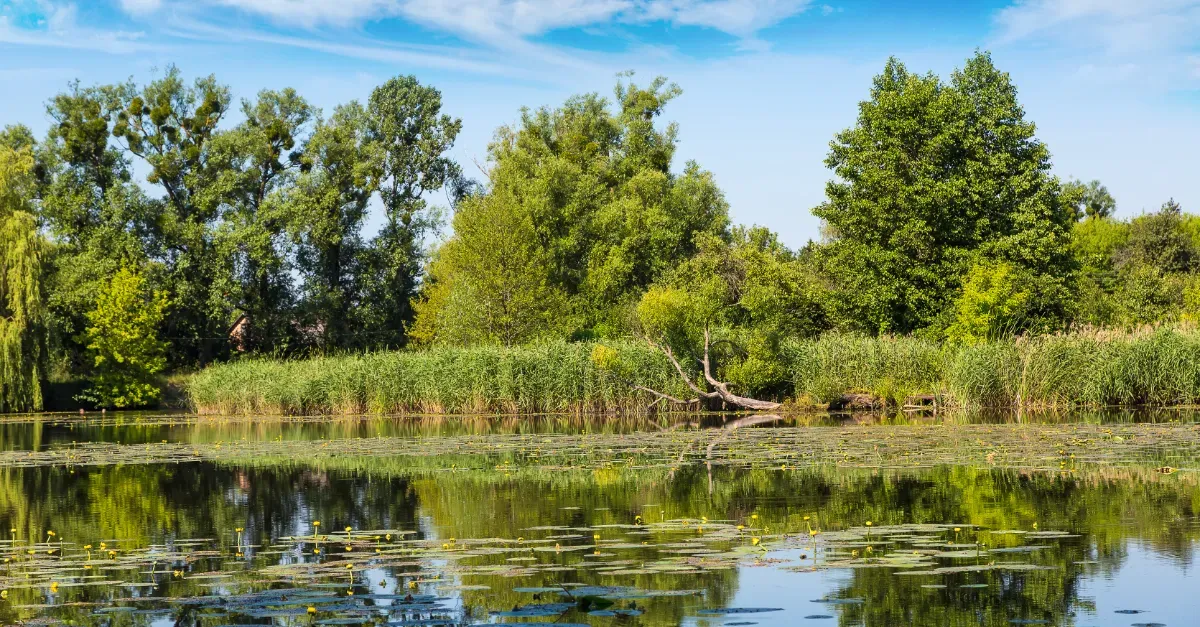
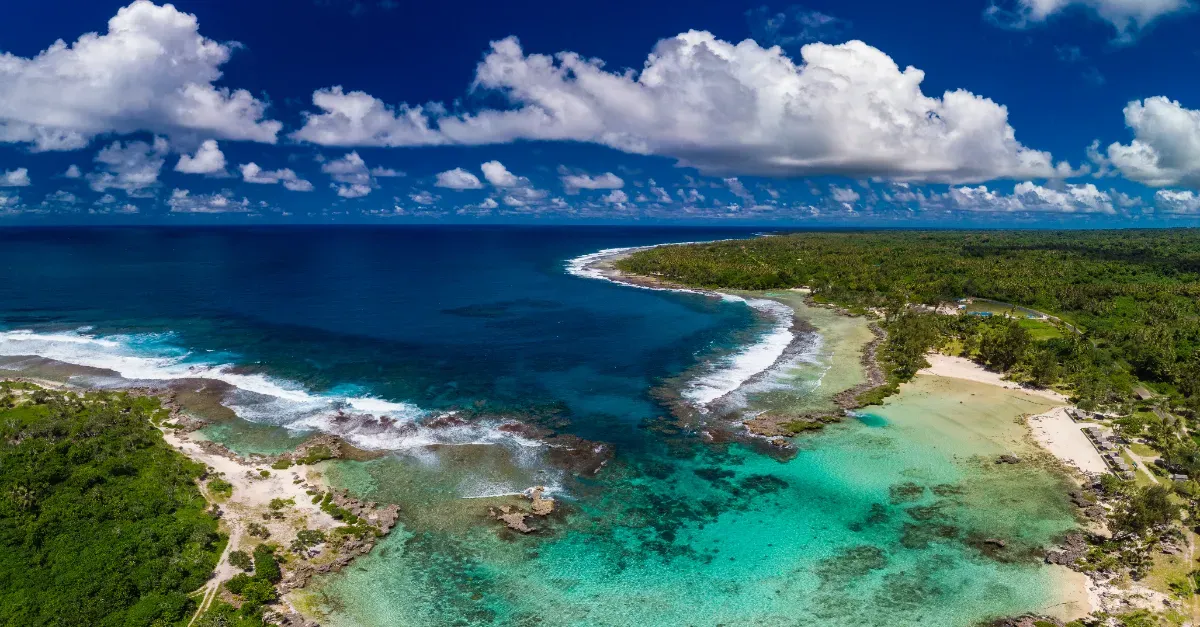
Wetlands: what they are and why they are vital to the ecosystem Wetlands are natural or artificial areas, temporarily or permanently flooded, such as marshes, lagoons and peat bogs. These environments provide numerous benefits to the planet, including protection from floods, help in countering drought, water purification and the absorption of CO2. Rich in biodiversity, they are habitats for many species. However, wetlands are among the most threatened ecosystems, having declined dramatically in recent decades because of urbanisation and climate change.
Section
Ecosystem
28
articles in the section
89
minutes on this page
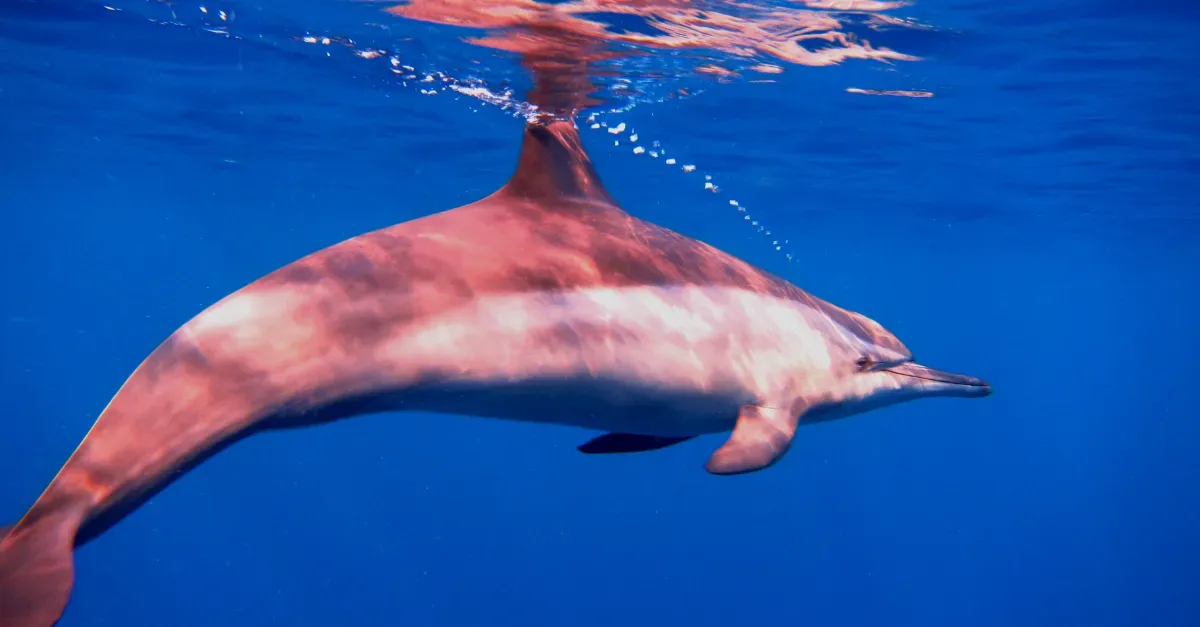
The slaughter of the pink dolphins: a natural tragedy with causes that remain a mystery
Le letture della sezione
All articles →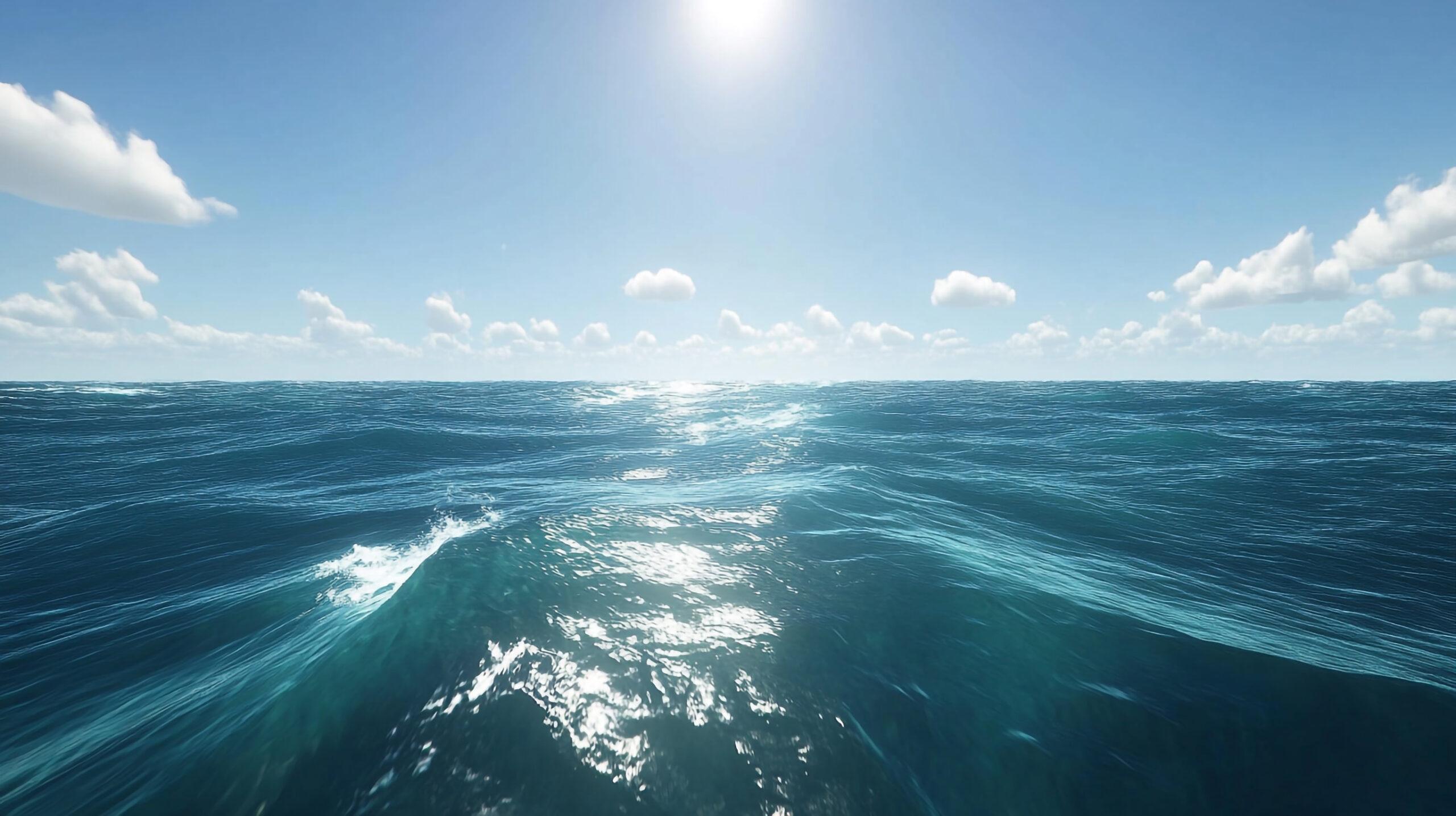 Climate emergency
United States on alert: waters are rising and seabeds are becoming impoverished
NASA and NOAA sound the alarm over the accelerating rise in sea level, particularly along the US coast. At the same time, ENEA warns us about the progressive desertification of ocean waters. The Blue Planet is increasingly at risk.
 From around the world
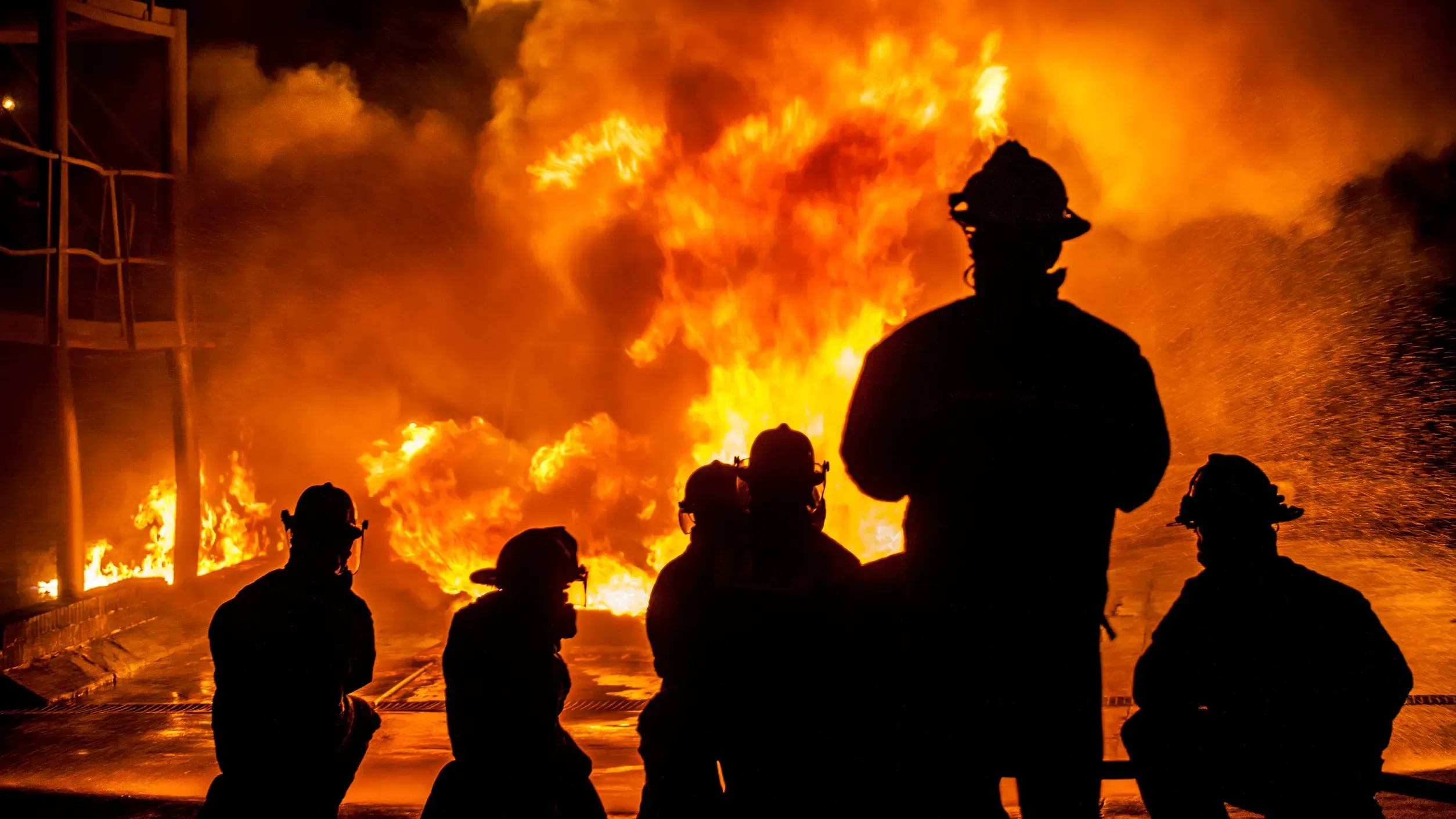
California wildfires: is climate change to blame?
 Climate emergency
Greenhouse gases: what are they and which are the most dangerous?
 Ecosystem
Dragonfly: the insect icon of freedom and silent guardian of natural balance
Altre letture
All articles →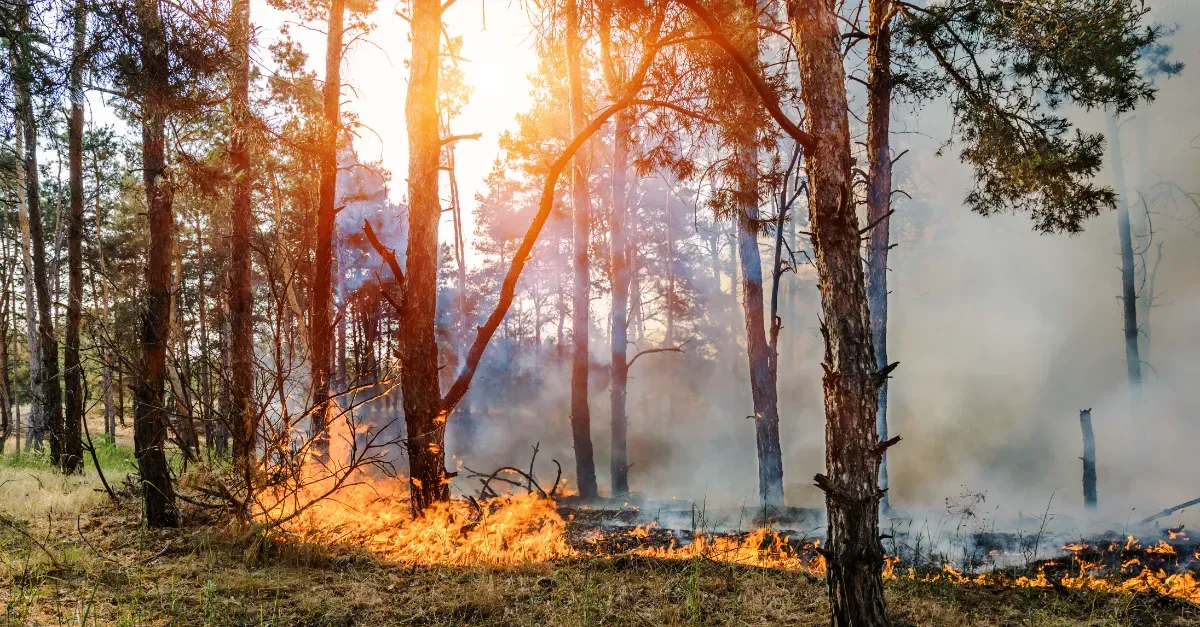

Section archive
Climate emergency
Penguins in danger: their natural food is ‘plundered’ by industrial fishing
Climate emergency
Unliveable Belpaese – Scorching cities, barren countryside, forests in flames? Ep. 3
Sustainable economy
Despite the heavy snowfall of recent days, will we need to rethink the future of the mountains in winter?
News and current affairs
The larches felled for the Cortina bobsleigh track will be many more, according to a scoop by ‘L’altra montagna’
Climate emergency
Biodiversity: what it is and why we should protect it
Climate emergency
Bees and the environment: a crucial indicator for the global ecosystem
Climate emergency
Greenland has shrunk on me. At a rate of 30 million tonnes of ice an hour.
Climate emergency
‘Climate refugees’: who are they? – A status not yet recognised