What organic farming is
Organic farming is much more than a simple agricultural practice: it is a genuine lifestyle that promotes respect for the environment, biodiversity and human health. But what exactly is it?
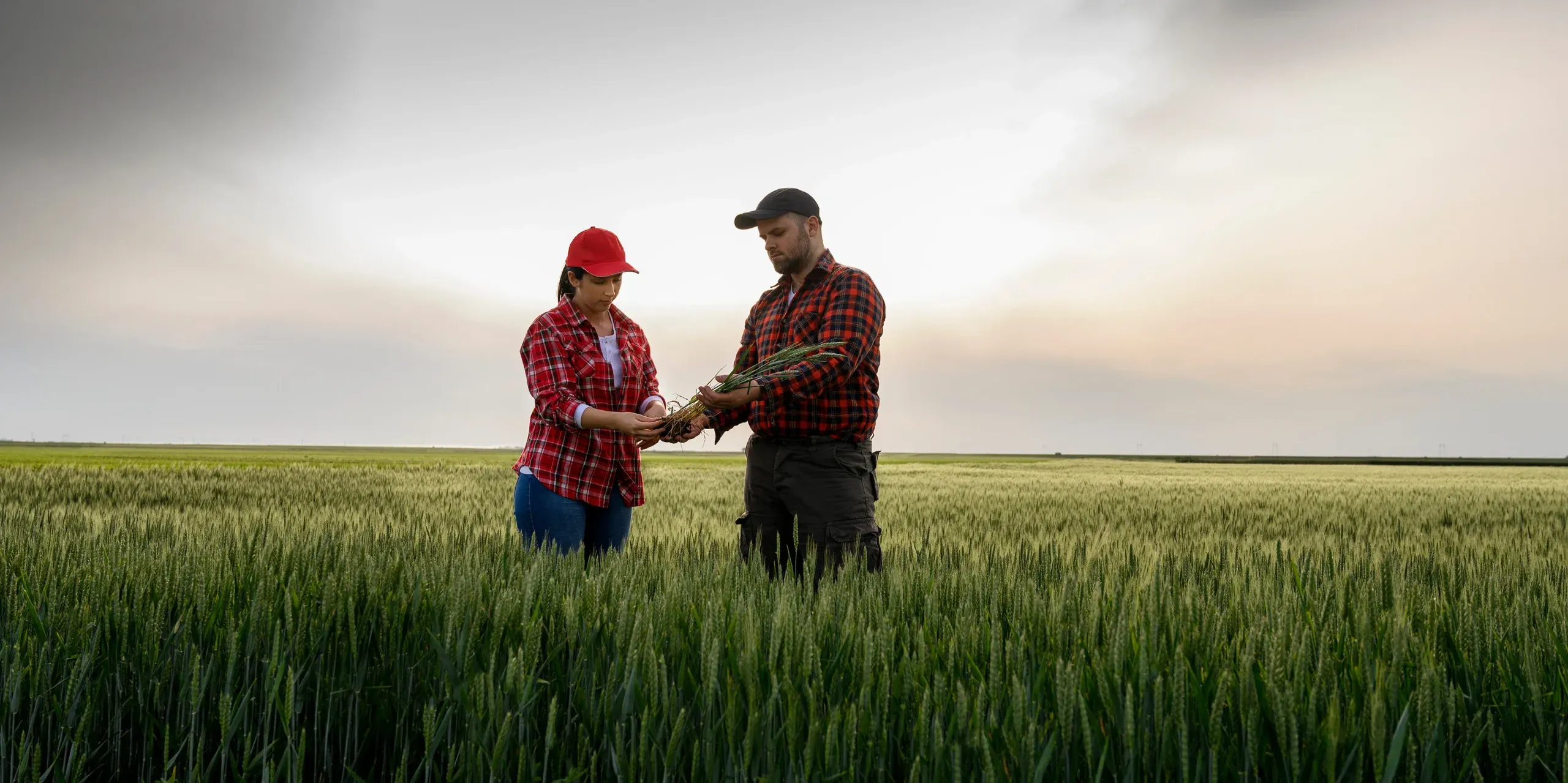
In a nutshell, organic farming is based on the use of natural methods to grow plants and raise animals, avoiding the use of chemical pesticides, synthetic fertilisers and genetically modified organisms.
It follows that the products obtained from this type of farming are free of chemical residues harmful to our health. This means being able to enjoy fresh fruit and vegetables knowing that there are no traces of toxic substances on our plate.
Similarly, organically raised animals live free from antibiotics and artificial hormones, thus also ensuring greater welfare.
But that is not all. Organic farming goes beyond simple sustainable food production. It also promotes practices such as crop rotation, composting of organic waste and the rational use of water resources. In this way, the environmental impact of farming itself is reduced to a minimum.
All this represents a true alternative to large-scale intensive production. It is a holistic approach to the land and the living beings around us.
Meeting the world’s food demand with organic farming
Organic farming is a sustainable, environmentally friendly solution for meeting the growing worldwide demand for food. Today, the global population is constantly increasing, and it is estimated that by 2050 there will be 9 billion people to feed.
To meet this enormous demand for food, it is necessary to adopt innovative and responsible farming practices. Conventional farming, based on the intensive use of pesticides and chemical fertilisers, may seem the solution, but it causes serious damage to the environment, such as soil and groundwater pollution.
On the other side is organic farming which, as we have said, focuses on producing food without the use of harmful chemicals. Organic producers use natural methods to grow their crops, such as crop rotation, composting and biological pest control.
In this way, soil fertility is preserved in the long term and biodiversity is promoted. Organic foods, besides being free of harmful chemical residues, offer higher nutritional content thanks to a greater presence of antioxidants.
Meeting the world’s food needs with organic farming requires a collaborative effort between governments, farmers and conscious consumers. Supporting small organic producers and promoting greater sustainability can and must become a common goal.
Many small producers for great food demand
In recent years there has been a significant increase in demand for food products worldwide. On the other hand, people are increasingly aware of the importance of a healthy, sustainable diet for the wellbeing of the planet and their own health. This growing demand has posed significant challenges for the farming industry, which has had to face the need to produce large quantities of food responsibly.
Organic farming offers a promising approach to meeting these global needs.
But what happens to small producers in this context? While large farms may have the financial and logistical resources to adapt to new market trends, many small producers may struggle to keep pace.
Small producers can, however, capitalise on their small size by offering locally grown products on a small scale. This local production may be appreciated by consumers looking for quality and traceability in their zero-mile food. According to some, the limited use of chemical inputs in organic farming could also allow small growers to cut costs and compete on the market.
As we have said, one of the advantages of organic farming is that it encourages crop diversification and promotes the active participation of small producers.
This diversity, compared with traditional large-scale production, is essential for ensuring food security and preserving biodiversity. In addition, it also stimulates local economies and greatly reduces the risk of dependence on a few giants of the agri-food industry.
So the truth is exactly the opposite of what many claim. While traditional farming can partly meet global food needs in the short term, only through a commitment to more sustainable farming practices such as organic farming by small producers can we truly face the future challenges of world nutrition.
Ultimately, choosing between conventional and organic farming should not be seen merely as a personal choice, but rather as a crucial step towards a sustainable future. Large agricultural producers too must turn to new systems that are more sustainable for the planet. Some are already doing so, and successfully. Working methods matter and sharply distinguish the production and distribution system, with results that can differ considerably, both in terms of product quality and shelf life.
Source: *censiagri and ISTAT. The ISTAT seventh census is held every ten years.