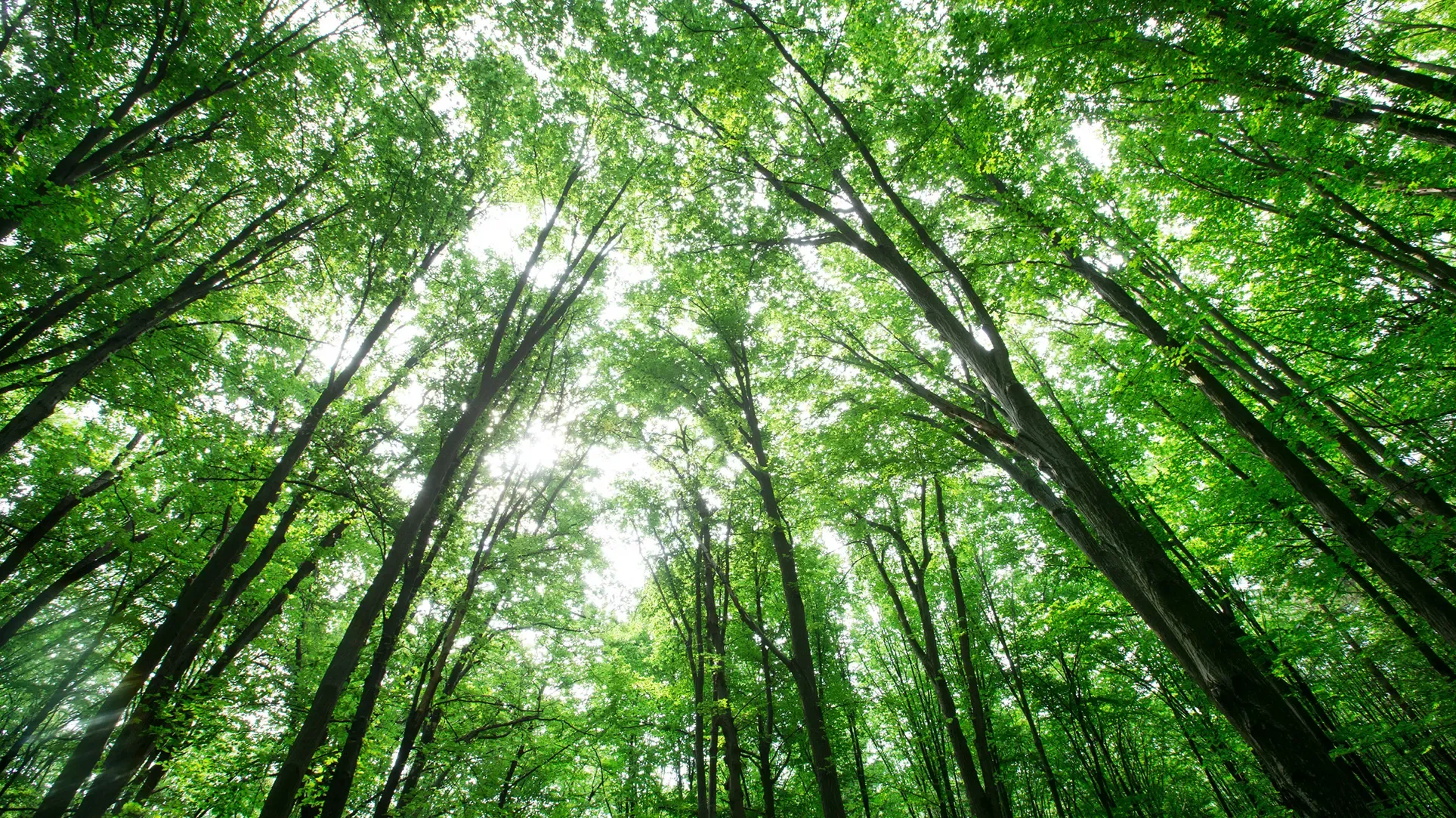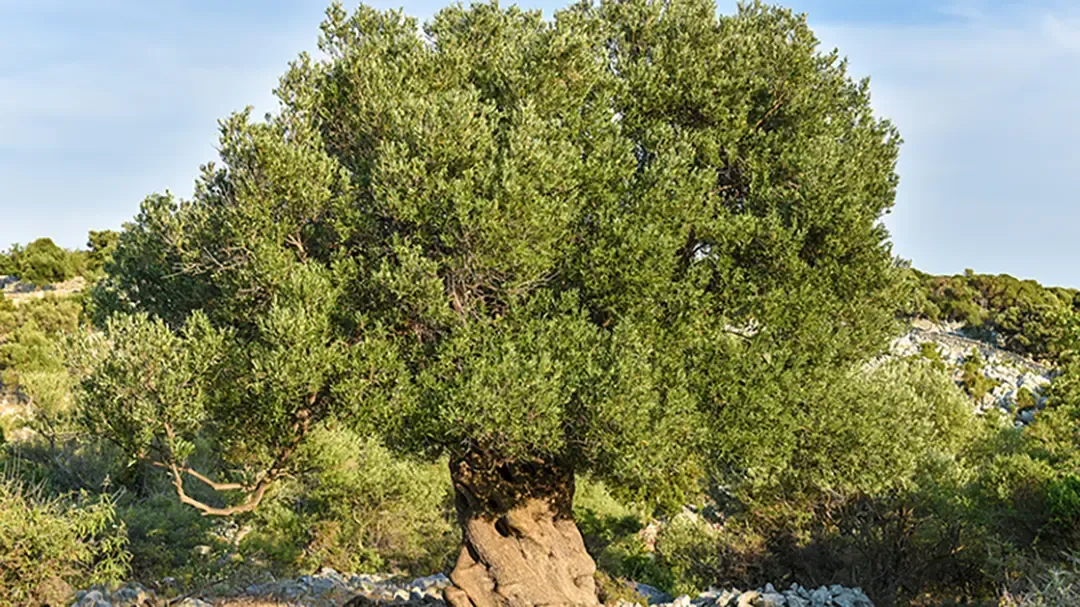
Trees are sanctuaries. Those who know how to speak with them, who know how to listen to them, perceive the truth.
They do not preach doctrines and recipes; they preach, heedless of the particular, the
primordial law of life.
Hermann Hesse’s famous quotation about trees as silent dispensers of
truth, as living symbols of the dharma, capable of embodying the fundamental law
of life, is by now increasingly familiar even among us ‘moderns’.
It is a sensibility, that regarding the sacredness of the living element that is the tree, which
fortunately we have not entirely lost in the passage from the traditional conception of the world
– the one that humanity shared for millennia, in whatever corner of the
planet it lived – to the contemporary one of homo technologicus, now incapable
of symbolising, of giving meanings to what surrounds him other than merely
utilitarian ones, always bent to his own ends.
Plato’s metaphor of the human being as an upside-down tree is well known: with
roots, that is, drawing from the sky – but also with head and arms firmly planted,
indeed sunk in the earth, symbolising the vital relationship with the ‘low’, that
material dimension that we all too often tend to forget.
And if the image from Plato’s Timaeus is truer and more evocative than ever – though
certainly not original to the great Greek philosopher, but drawn from a
more ancient tradition, certainly Eastern and for which sources are not lacking – the
relationship is just as true if it is turned upside down.
Just as man is a sort of tree, so a tree is, at bottom, an image
strongly comparable to that of a human being.
Above all because we can monitor its growth, from almost its ‘birth’ to
its first development, to full maturity and, naturally, to old age.
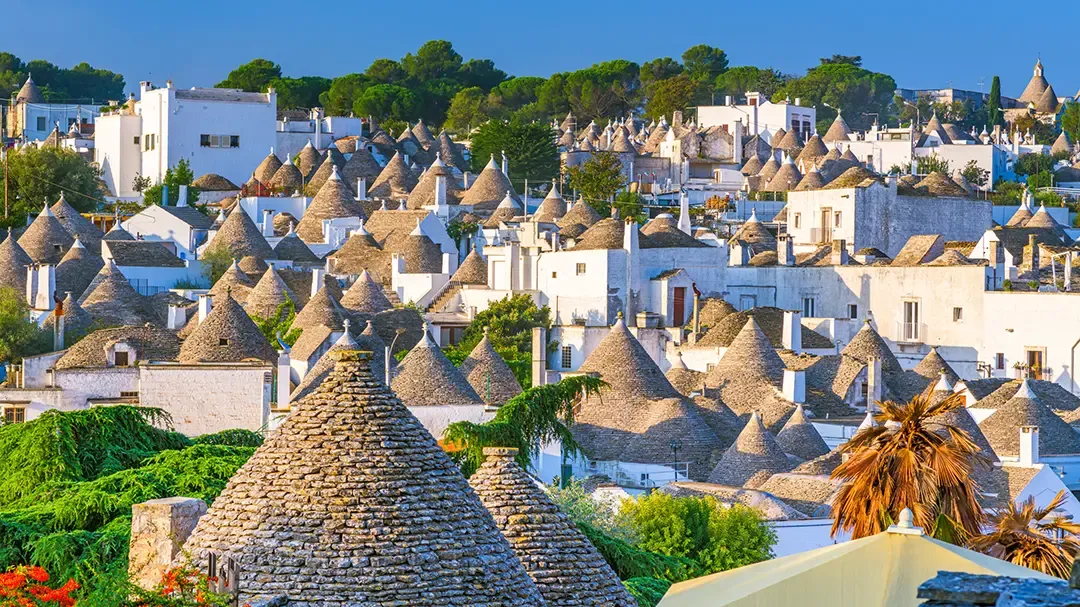
Often, even after centuries, ancient buildings are still perfectly standing and aesthetically beautiful, while new constructions deteriorate and …