Organic batteries are 100% recyclable. The growing use of batteries in the energy system puts a heavy strain on natural resources; moreover, the production and recycling of batteries are associated with high energy consumption and a major environmental impact.
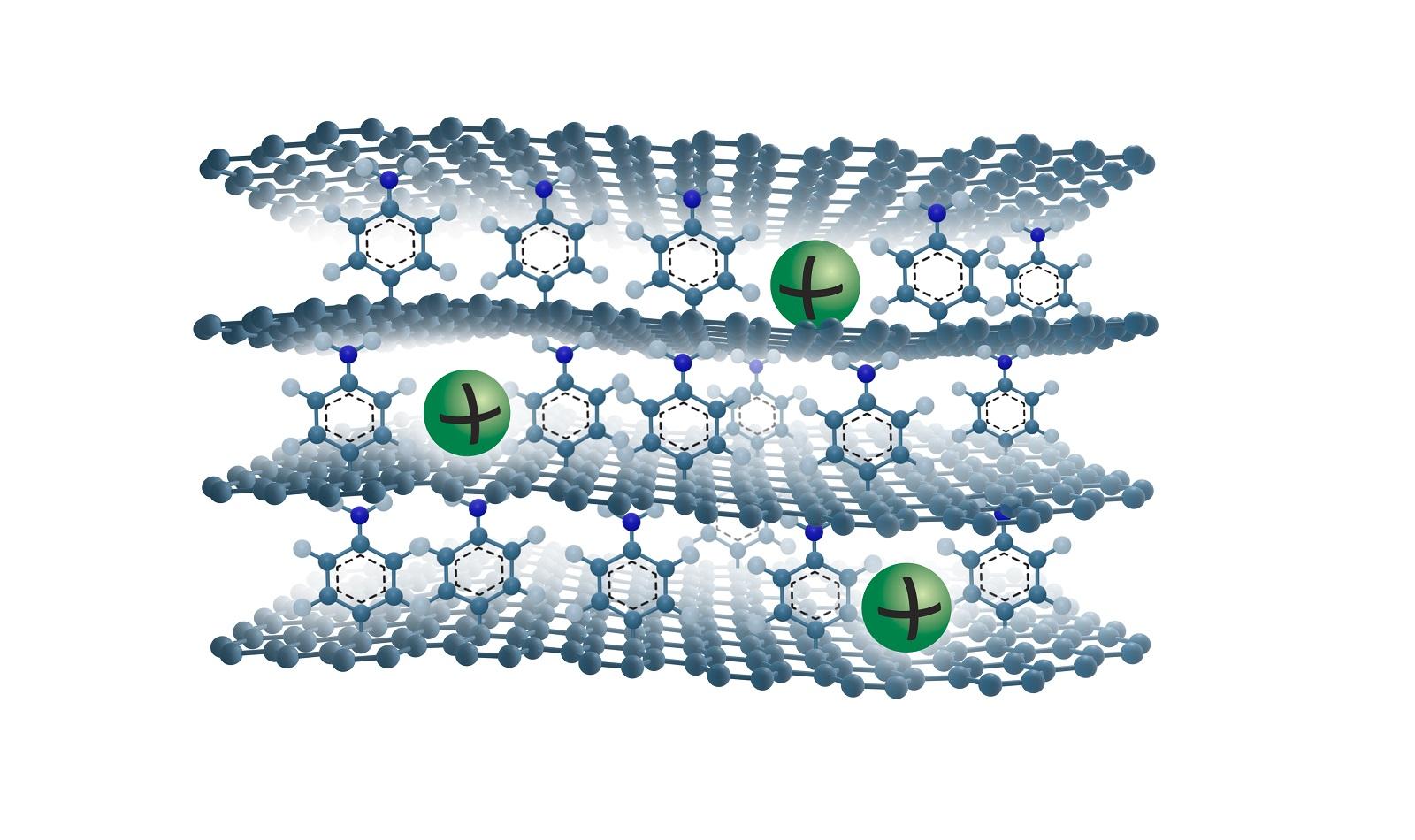
The problems stem from the fact that the active materials in a battery are inorganic. For this reason, a number of companies and universities around the world are studying the development of batteries made from organic material. Work focuses mainly on raw materials such as organic lithium and sodium salts, but there is no shortage of other solutions, such as the use of graphene. Graphene has practically no environmental impact and can be disposed of in the environment without any drawbacks. There are also studies on new polypeptide batteries, which would be completely recyclable.
The race for materials is still open.
Assembly techniques for developing batteries on an industrial scale are also constantly evolving, and if they succeed, it will be possible to build considerably more sustainable batteries for every type of user. Work is also under way to improve capacity so as to match that of traditional batteries.
Recycling will be possible using non-toxic chemicals with low energy consumption.