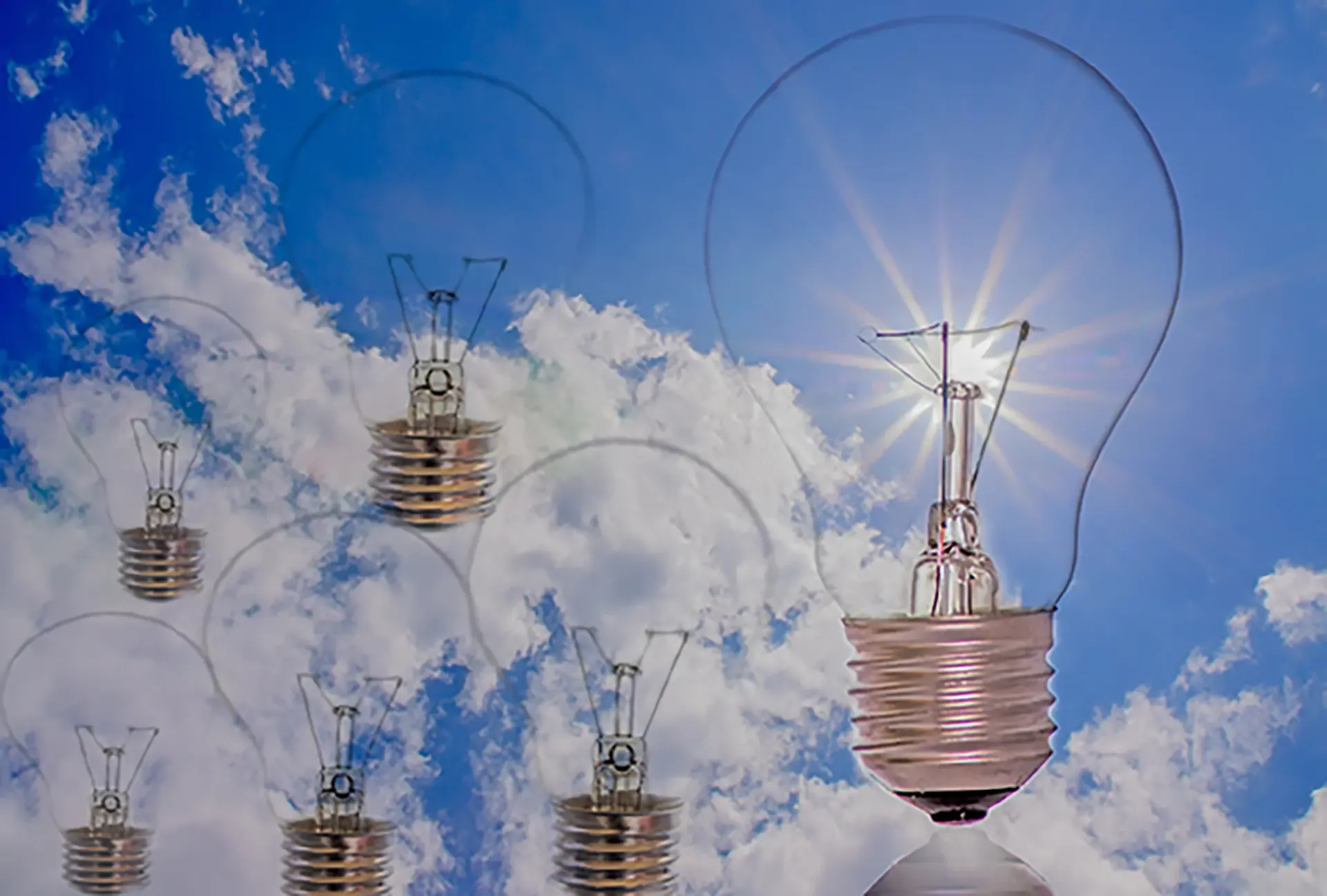
Household appliances account for a significant part of domestic consumption. Switching devices off completely instead of leaving them on standby can save up to 10% of your electricity bill. In addition, choosing A+++ energy-rated appliances drastically reduces consumption compared with older models.
Heating and cooling can also be optimised with a few simple measures. Lowering the thermostat by just one degree can reduce consumption by up to 7%, while in summer using ceiling fans instead of air conditioners helps limit waste. It is also important to insulate doors and windows, thereby reducing heat loss in winter and keeping homes cool in summer without excessive consumption.
2. Saving water: every drop counts
Choosing a shower over a bath is one of the easiest ways to reduce water consumption. A bath uses on average 110–160 litres of water, while a five-minute shower uses about 50 litres. The saving becomes even more significant if you turn off the water while soaping, cutting consumption by up to 100 litres per shower.
Brushing your teeth with the tap running can lead to a waste of 24 litres of water in a few minutes. Turning off the water while brushing is a simple but extremely effective habit.
Washing dishes can also be optimised. If you wash by hand, it is better to fill the sink rather than let the water run. If you use a dishwasher, it is important to run it only with a full load and to choose eco programmes, which use less water and energy.
The washing machine is another big consumer of water and energy. Avoiding half-load washes and preferring lower temperatures (30°–40°) can save up to 40% of energy per cycle. In addition, eco-friendly detergents help reduce water pollution.
3. Sustainable mobility: fewer cars, more movement
Transport is one of the main sources of greenhouse gas emissions. Choosing public transport, cycling or walking whenever possible not only reduces pollution but also improves health. If you have to use the car, it is better to opt for car sharing or to share the journey with colleagues and friends.
Electric vehicles are an increasingly accessible option, especially thanks to government incentives. Even for those with a petrol or diesel car, small measures such as driving smoothly, avoiding sudden acceleration and switching off the engine during long waits can reduce fuel consumption.
4. Conscious eating: what we eat has an impact
Consuming local and seasonal products reduces the emissions linked to transporting goods. Zero-mile food is not only fresher and more nutritious, but also supports the local economy.
Food waste is an enormous problem: in Italy, 67 kg of food per person is thrown away every year. Planning meals, storing food properly and using leftovers creatively can reduce waste.
5. Reducing waste and responsible consumption
The 3R principle (Reduce, Reuse, Recycle) should guide our everyday choices. Avoiding disposable products, such as plastic bottles and bags, in favour of reusable alternatives is an important first step.
Separating waste for collection is essential for recycling materials, but buying less and better can also make a difference. Choosing products with reduced or recyclable packaging helps lower environmental impact.
Clothing can also be more sustainable: choosing brands that use eco-friendly materials, buying less but better quality, and giving used clothes a second life through second-hand markets or donations are all smart choices.
A small gesture can make a difference
The National Day of Energy Saving and sustainable lifestyles reminds us that each of us plays an active part in supporting change. No great sacrifices are needed: it is enough to change a few daily habits to have a positive impact on the environment and on your wallet.