Today is monday 9 november 2026
Webzine of ecological news

Practical ecology · Immobiliare Green

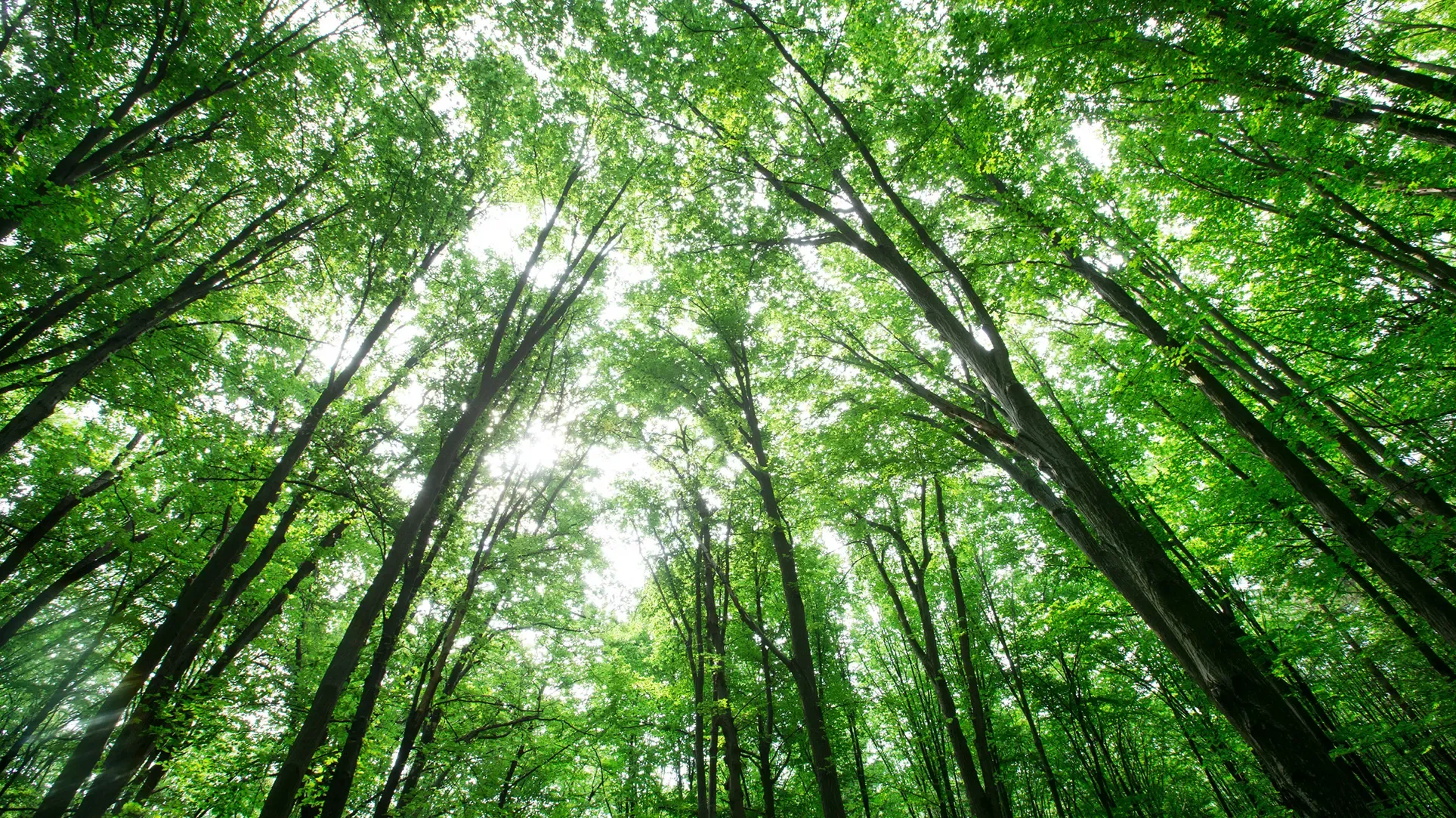
Micro-forests. Why they can help (and not a little) to improve life in our cities

The name might raise a few smiles and the odd ironic eyebrow. But the concept of the micro-forest is becoming ever more important in the planning of our cities, and looks set to be a solution rich in benefits in many respects.

[langdu8x] © 123RF.com

Micro-forests. The name might raise a few smiles and the odd ironic eyebrow. But the concept of the micro-forest is becoming ever more important in the planning of our cities, and looks set to be a solution rich in benefits in many respects.

As part of what is known as the ‘re-naturalisation of urban spaces’, urban micro-forests are a sort of green lung (some larger, some smaller) carved out of the notoriously dense and congested fabric of city areas.

Their first purpose is naturally to improve air quality, which has long since reached unsustainably poor levels, particularly in cities. But more generally, forestation brings nature and the city closer together, developing cost-effective actions and long-term measures capable of reducing the impacts of climate change, and thus helping to develop forms of what is technically defined as environmental stewardship.

Urban forests in fact play an important role in mitigating environmental stresses, regulating air temperature, slowing the run-off of rainwater and reducing noise pollution.
They also generate ecosystem services with recreational, social, psychological and aesthetic value: in a word, they contribute to the wellbeing of the citizens who live in that urban space.
Show more Show less

Europe supports urban forestation through the Green Deal and with a specific nature restoration plan in partnership with local authorities and regions. Since 2021, the New EU Forest Strategy for 2030 has provided for European forests to benefit from 3 billion new trees to be planted by 2030.

If urban forestation is, as mentioned, also a cultural operation in the broadest sense of the term, it can sometimes become one in a more specific sense. In Klagenfurt in Carinthia, for example, in 2019 the planting of 300 trees was at the same time an installation by the artist Klaus Littmann entitled ‘For Forest. The Unending Attraction of Nature’.

In Italy, one of the most interesting urban forestation projects is called Oasi Green Lab. It began in Rome in the Sapienza University’s departments of building and environmental engineering and is coordinated by Professor Fabiola Fratini in collaboration with Municipio II and the Sorbonne in Paris. The beneficiary will be a densely populated neighbourhood, San Lorenzo, specifically in the Parco dei Caduti.

The Oasi will become a multidisciplinary, participatory scientific laboratory, where people can learn, experiment and design, with the aim of creating a ‘convivial and re-naturalised’ city, as the project leaders write.

‘Building sustainable cities’, the authors declare, ‘means re-introducing nature into urban settings, as shown by the experiments in Japan and India, later adopted also in the Netherlands, Belgium, Germany, England and France’.


The San Lorenzo neighbourhood was also chosen in order to place the forestation ‘within an established urban fabric with very heavy traffic flows’, the Green Spaces councillor of Rome’s Municipio II stressed. ‘This way we can see how far micro-forests can help improve air quality. The decision to build them in such chaotic places is hugely important’.

fund1

Machine translation

We respect your privacy

When you use this site, we and the third-party providers listed in the preferences may use cookies and similar technologies for the following purposes:

  • Necessary: Core functions: security, session and storing your choices.
  • External services: Embedded third-party content such as videos. It only loads if you allow it: the provider then receives your IP address and may set cookies of its own.

Only necessary cookies are active without consent. Some providers may transfer data outside the EU. You can change your choices at any time from the «Privacy settings» link at the bottom of the page; closing with the X continues with necessary cookies only.

Customise