How a bill-free home works
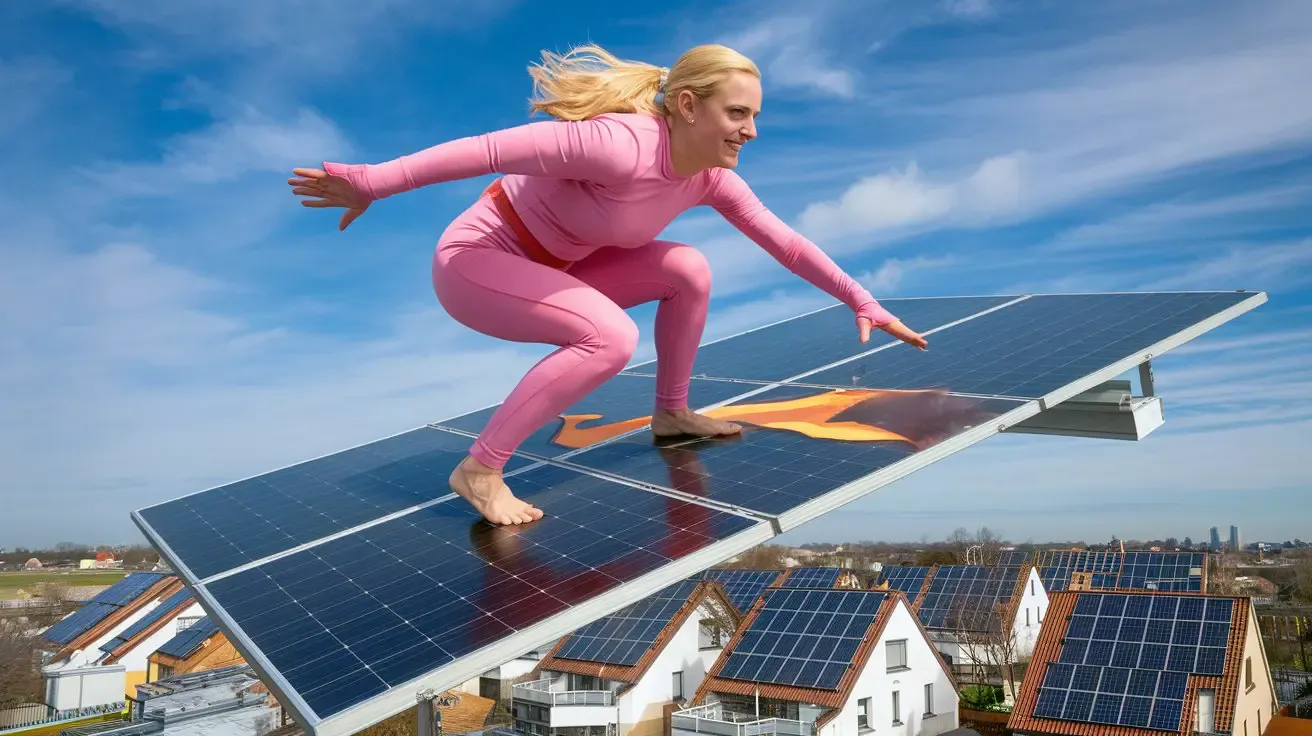
The beating heart of an energy-independent home is photovoltaics. The panels turn sunlight into electricity, drastically reducing (even eliminating) the need to buy power from the national grid. But the sun doesn’t always shine. This is where storage batteries come in, keeping the energy produced during the day to be used in the evening or on cloudy days.
For heating (and cooling) there are heat pumps, a green alternative to the traditional boiler. And for the most ambitious, you can also consider geothermal energy, a technology that exploits the constant heat of the subsoil to heat and cool rooms. Completing the picture is a charging point for the electric car. The result? A home that produces, stores and consumes its own energy.
The numbers behind energy independence (in €)
| Component | Minimum cost (€) | Maximum cost (€) | Lifespan/Features |
|---|
| Photovoltaic system (1 kW) | 1,000 | 1,500 | 25-30 years, minimal maintenance |
| Storage batteries (1 kWh) | 800 | 1,200 | Recommended capacity: 10-20 kWh |
| Heat pump | 6,000 | 12,000 | COP 3-4, replaces boiler and air conditioner |
| Geothermal (optional) | 15,000 | 30,000 | Only for detached houses with a garden |
Recommended configurations
| Configuration | Photovoltaic | Battery | Heat pump | Geothermal (optional) | Total estimated cost (€) |
|---|
| Basic kit | 6 kW | 10 kWh | Yes | No | 25,000 – 30,000 |
| Ideal system | 10 kW | 15-20 kWh | Yes (latest gen.) | Yes | 35,000 – 50,000 |
Is it better to invest or to keep paying the bills?
Let’s make a concrete comparison over 12 years:
| Scenarios | Annual cost (€) | Total cost over 12 years (€) |
|---|
| Electricity + gas bills | 2,000 – 2,500 | 24,000 – 30,000 |
| System with financing (5%) | ~3,900 | ~46,800 |
A reflection on interest rates and state aid
But what would happen if the State stepped in to ease the energy transition?
What follows is not an opportunity currently available nationwide, but a hypothesis, a concrete starting point for a useful reflection. If the same €35,000 system were financed at a subsidised fixed rate of 1.5% (instead of 5%), the annual instalment would fall to about €3,180, more than €700 less per year.
| Interest rate | Annual instalment (€) | Total spend over 12 years (€) | Saving compared with 5% (€) |
|---|
| 5% (standard financing) | ~3,900 | ~46,800 | — |
| 1.5% (hypothetical financing) | ~3,180 | ~38,160 | ~8,640 |
We leave each of you to draw your own conclusions.
And after 12 years?
The system is yours. No bills, only minor maintenance (€200-300 a year). In the following years:
| Post-repayment period | Household with system | Traditional household | Net saving over 10 years (€) |
|---|
| Spend | 2,500 – 3,000 | 22,000 – 27,000 | 19,000 – 24,000 |
Another energy is possible
Of course, an initial investment is needed. And a good dose of awareness. But it is hard to find a sector today where the return – even a symbolic one – is so powerful. Freedom from price rises, energy security, a positive environmental impact. And that’s not all: energy independence opens the way to new ways of living and getting around. It is a form of resilience, a step towards a future where energy is truly ours.
It will be an individual path, perhaps not for everyone. But every home that stops producing emissions and starts producing energy is a choice that concerns us all. And it begins – literally – on the roof of your home.