Today is monday 9 november 2026
Webzine of ecological news

Practical ecology · Kitchen

How to store fruit and vegetables for the winter as our grandparents did

There is nothing better than filling your kitchen with organic fruit and vegetables in winter. However, storing them can often become a small challenge. In this article we will look at a few ideas and ways to keep fruit and vegetables for months.

[zaitceva] © 123RF.com

There is nothing better than filling your kitchen with organic fruit and vegetables in winter. However, storing them can often become a small challenge. In this article we will look at a few ideas and ways to keep fruit and vegetables for months.

Growing a vegetable garden in the warm seasons to have organic fruit and vegetables in winter

Growing a vegetable garden can certainly be a very relaxing activity and one that brings us back in touch with nature, besides the benefits we gain for our nutrition and our health. It can also be advantageous from an economic point of view, although this depends on the amount of water the plants need, the cost of seeds and the care of the soil. In any case, you can build up a good store for the winter. But then, how do you keep it all?

Drying fruit

Dried fruit is an excellent addition to your winter diet as it is rich in vitamins and minerals. Drying fruit at home is simple and will allow you to keep produce through the winter. Follow these simple steps for drying fruit:

1. Choose the fruit you want to dry. Fruits such as apples, pears, peaches and apricots lend themselves well to drying.

2. Wash the chosen fruit thoroughly and dry it well.

3. Cut the fruit into thin slices or small cubes, depending on the type of fruit and your preference.

4. Arrange the slices or cubes of fruit on the trays of the dehydrator, then follow the instructions on the machine.


Show more Show less

If you do not have a dehydrator, you can dry fruit in a fan oven at a low temperature. You can also do it in the microwave or, as grandmothers in the south used to do, outside in the sun...

Jams

Making jam is certainly an excellent way to preserve fruit in a delicious way.
To make successful, tasty jams, it is important to follow a few simple rules.
First of all, make sure the fruit is fresh and of good quality.
Secondly, you need to wash the fruit and vegetables well before you start preparing the jam. Finally, you need to follow the recipe carefully to make sure the jam is cooked properly.

A more modern method? Storing fresh vegetables in the freezer

Are we getting off on the wrong foot? Our grandparents certainly did not have a freezer, but keeping fresh vegetables in the freezer is an excellent way to extend their shelf life (this is the term for the period of time between the production and the consumption of a food during which there are no risks to health).
When it comes to frozen vegetables, however, it is important to follow a few simple rules to make sure they keep their flavour and quality.


First of all, it is important to choose only fresh, seasonal vegetables for freezing. The vegetables best suited to freezing are those that have already been washed and cut into small or medium-small pieces.
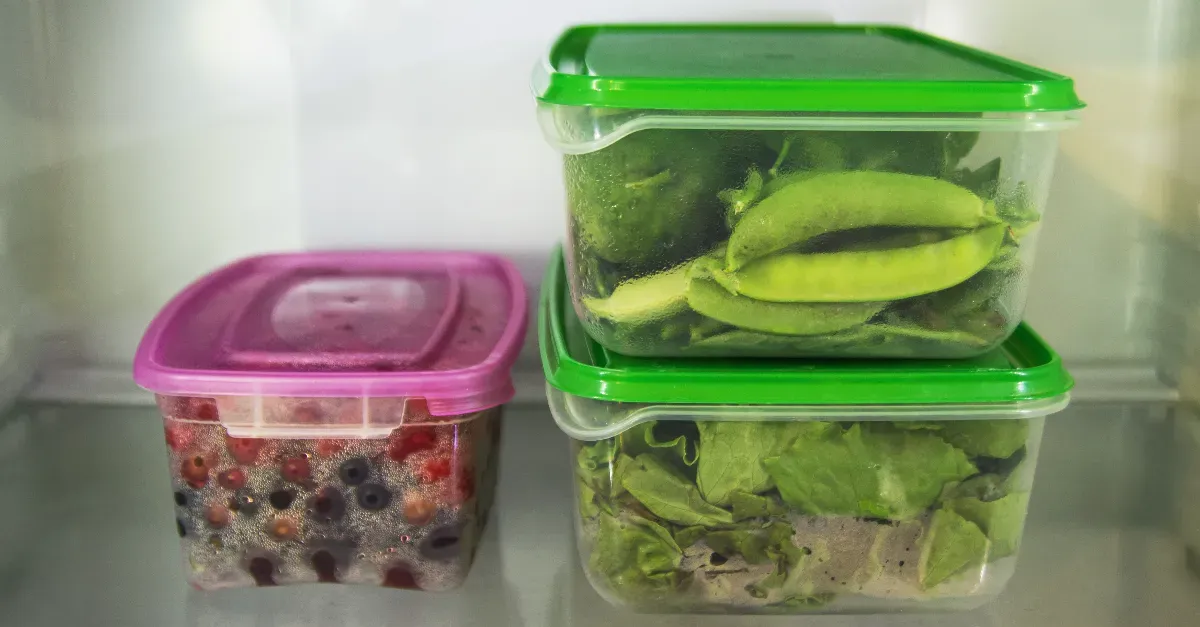
Then, when the vegetables are ready to go into the freezer, it is important to make sure they are sealed airtight in containers. This way you will always have vegetables that are already cut and washed, saving a great deal of time, as well as soups and minestrone to warm you up in the cold winter.

How should potatoes be stored?

Potatoes keep best in a cool, dry, dark place. They should not be washed before storage, and it is important to make sure they are completely dry. You can also store potatoes in the freezer, but in this case it is important to wash and peel them first.

Machine translation

We respect your privacy

When you use this site, we and the third-party providers listed in the preferences may use cookies and similar technologies for the following purposes:

  • Necessary: Core functions: security, session and storing your choices.
  • External services: Embedded third-party content such as videos. It only loads if you allow it: the provider then receives your IP address and may set cookies of its own.

Only necessary cookies are active without consent. Some providers may transfer data outside the EU. You can change your choices at any time from the «Privacy settings» link at the bottom of the page; closing with the X continues with necessary cookies only.

Customise