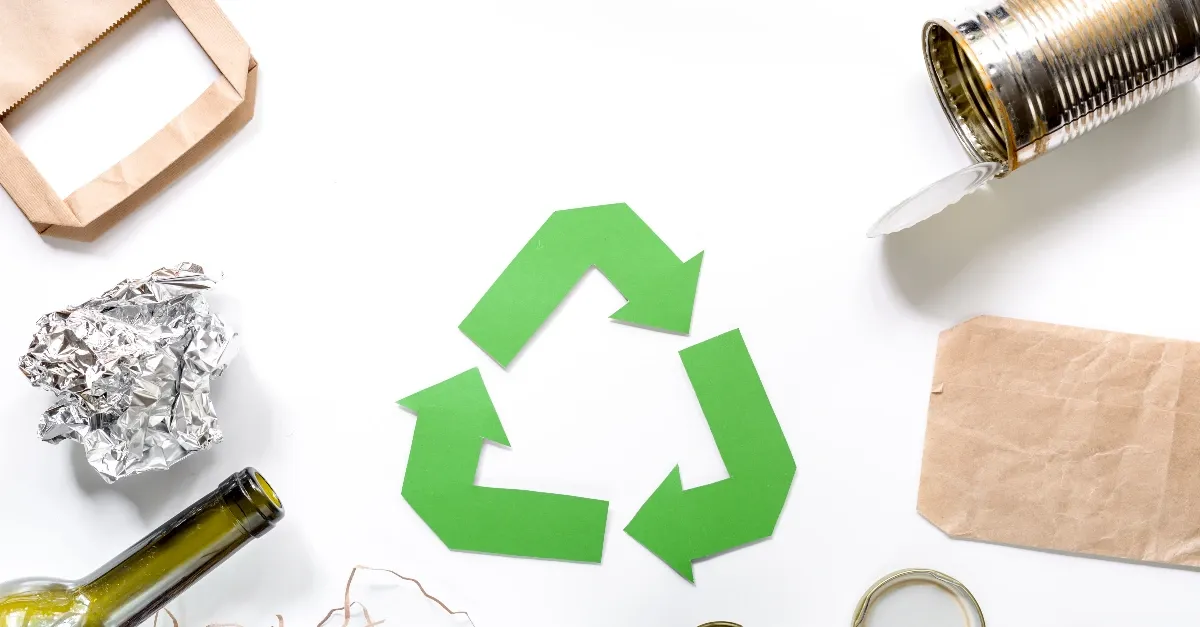
Recycling paper and wood saves trees and forests. We can plant new trees, but we cannot replace virgin rainforest or ancient woodland once it is lost.
Recycling plastic means making less new plastic: which is a very good thing, above all because it is usually made from fossil fuel hydrocarbons.
Recycling metals means reducing the need for risky, costly and damaging mining and for the extraction of new metal ores.
Recycling glass reduces the need to use new raw materials, such as sand. Hard as it may be to believe, supplies of some types of sand are starting to run short all over the world.
2. Protecting ecosystems and wildlife.
Recycling reduces the need to grow, harvest or extract new raw materials from the Earth.
This in turn reduces the damage done to the natural world: fewer forests felled, rivers diverted, and wild animals harmed or displaced, and less pollution of water, soil and air.
Not to mention that, if our plastic waste is not made safe through recycling, it can be dumped or washed into rivers and seas and end up hundreds or thousands of kilometres away, polluting coasts and waterways and becoming a problem for everyone.
3. Reducing the demand for raw materials
The growing worldwide demand for newly made goods means that more and more of the poorest and most vulnerable people (for example, those living around forests or river systems) are driven from their homes or exploited in other ways. For instance, communities living in forests may find themselves evicted because of the search for cheap timber.
Recycling existing products means putting a stop to activities that harm someone else’s community and limiting the search for new raw materials.
4. Saving energy
Making products from recycled materials requires less energy than making them from new raw materials. Sometimes the difference in energy is enormous. Here are a few examples:
Aluminium recovered from old products (cans, foil) uses 95% less energy than producing it from scratch. For steel, the energy saving is 70%.
Paper? If it is made from recycled pulp, it uses 40% less energy than production from virgin wood fibres.
Glass. The energy saved by recycling one glass bottle could power an old 100-watt bulb for 4 hours, or an equivalent low-energy LED for much longer.
5. Cutting carbon emissions
It is almost obvious. Recycling uses less energy (much less) to source and process raw materials, so it produces lower carbon emissions. And we know how crucial it is to reduce carbon dioxide and other greenhouse gases emitted into the atmosphere in order to stop climate change.
6. Cheaper than waste collection and disposal
Disposing of recycled waste can be up to six times cheaper than disposing of general waste. The more you recycle, the less you throw in the bin, the more you save.
This also applies to recycling food waste and green waste. A large amount of compost can be produced, a valuable fertiliser (the technical term is soil improver) that will help to grow new plants for food.
7. Engaging young people (in activities that matter to society and are creative, fun and appealing)
And also drawing them away from the frenzied cycle of production and consumption of today’s society – which is certainly no bad thing.