Xylella is transmitted mainly by insect vectors that feed on plant sap. Unfortunately, this mode of contagion is very fast: when one tree is infected, all those around it dry out within a short time, gradually lose their branches and eventually die.
Devastating environmental damage
Xylella fastidiosa had a devastating impact on local ecosystems from the outset, especially in Apulia, where the latest official data show that around 6.5 million olive trees had been severely damaged by 2017. This emerges from the research Monitoring the impacts of Xylella fastidiosa, published on the EU Science Hub, the main website of the Joint Research Centre of the European Commission.
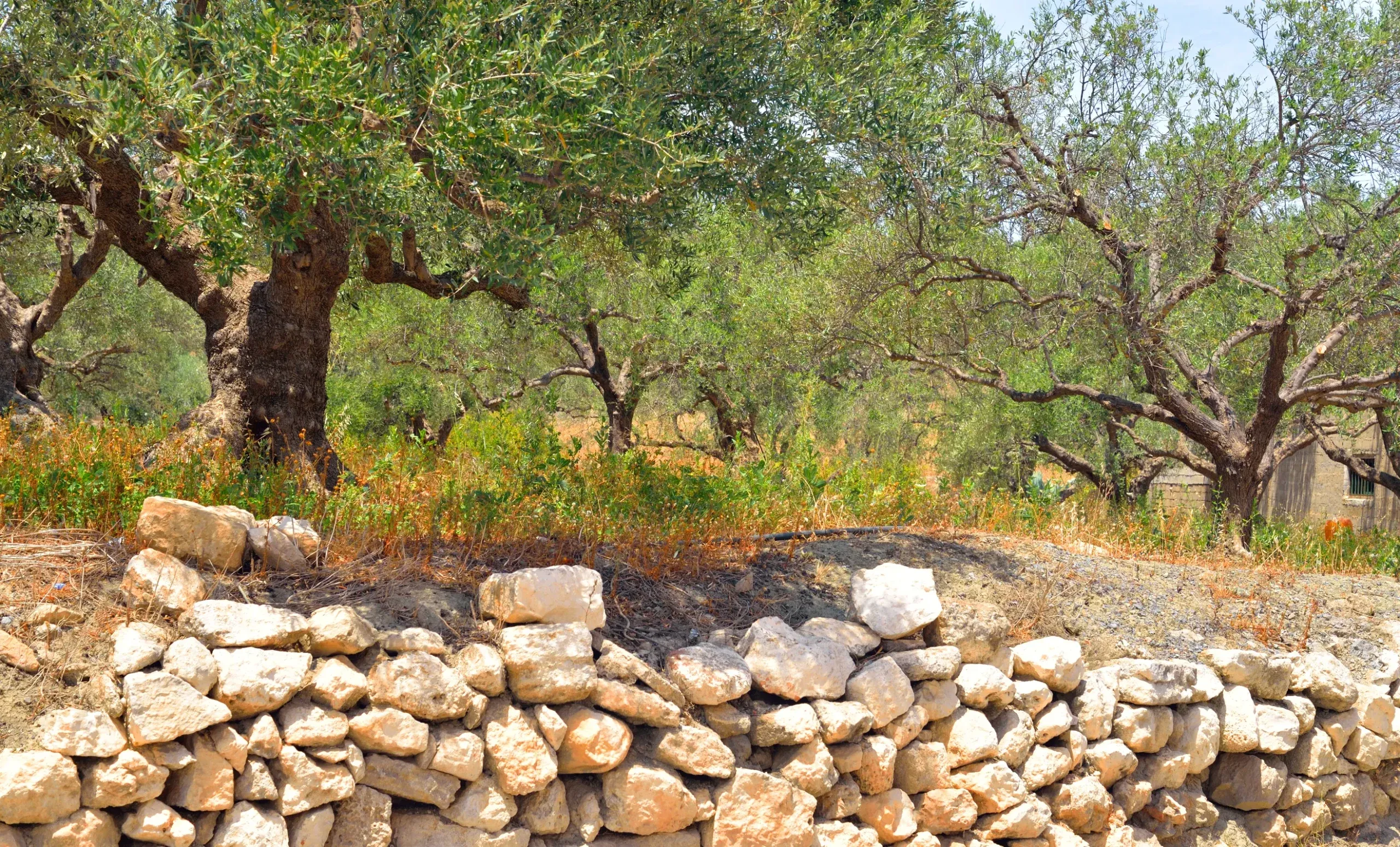
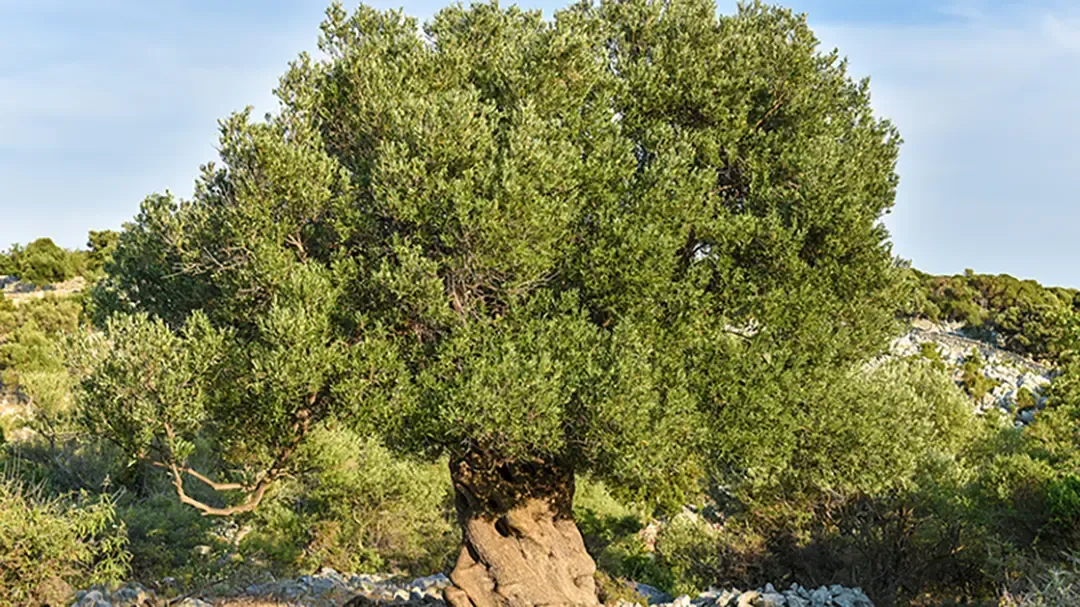
These numbers are staggering. Losing 6.5 million olive trees means losing entire olive groves, a symbol of Apulian identity, since the region’s official flag features the olive tree. But beyond the damage to the landscape, Xylella has also caused historical and cultural damage, because many of the affected trees were magnificent centuries-old olives, true sculptures created by Mother Nature.
Naturally, this considerable alteration of the ecosystem has also had significant repercussions on biodiversity. Olive trees are not only a source of income but also a habitat for numerous animal and plant species. Their loss has therefore had a knock-on effect on the whole ecosystem, reducing the availability of resources for many other species.
A strong economic impact
The economic damage caused by Xylella is just as significant. Apulia, one of Italy’s main olive oil-producing areas, has seen a drastic drop in productivity. According to the EU Science Hub again, the spread of Xylella could cost the European Union more than 5.5 billion euros a year in lost production, with potential export losses of 0.7 billion euros a year.
However, more recent research (Impact of Xylella fastidiosa subspecies pauca in European olives), carried out by researchers at Wageningen University in the Netherlands and published in 2020 in the specialist journal Proceedings of the National Academy of Sciences (PNAS), speaks of as much as 20 billion euros lost. The researchers studied the impact of Xylella in Italy, but also in Spain and Greece, among the main European olive oil producers, which have also been hit by the bacterium.
The clear consequence of all this is a sharp rise in the price of olive oil, caused by the reduced availability of raw material. You only have to look at supermarket shelf prices to see it. According to Altroconsumo (Olio extravergine d’oliva sempre più caro), by November 2023 oil had risen by 56%, so a litre of oil cost twice as much as in autumn 2020.
This price rise, however, has also been influenced by other factors, both environmental, such as adverse weather conditions, and geopolitical. The wars that have, anachronistically and painfully, broken out in recent times on Europe’s borders have in fact led to a general rise in the cost of living, owing to higher energy prices.
As a result, producing costs more, and this is reflected in the goods consumers buy. Everyone has been able to see this at first hand: just look at your receipts when you leave the supermarket.
Attempts to fight Xylella
But returning to Xylella, the European Union immediately introduced measures to eradicate the bacterium, which provide for the immediate removal not only of all infected or symptomatic plants, but also of those within a 50-metre radius of the diseased trees. This drastic decision is obviously aimed at limiting the spread of Xylella, but it has met with local resistance, especially among growers who see trees felled that might apparently look healthy.
In addition, farming practices such as removing weeds and ploughing the soil are crucial for reducing the vector population and preventing the bacterium from establishing itself in a given area.
Clearly, however, these emergency measures are not enough to fight Xylella in the long term, so studies are under way to develop biological control methods that could reduce the population of insect vectors. In addition, olive varieties that are resistant or tolerant to Xylella are being evaluated, which could offer a sustainable solution in the long run.
Other solutions being worked on include studying the bacterium’s genome, which could lead to targeted treatments, and using remote sensing and satellite data to monitor the spread of Xylella. In this way, infected areas can be detected quickly and accurately, helping the authorities to implement more effective control measures (see the EU document Monitoring the impact of Xylella on Apulia’s olive orchards).
The first results
The research carried out since 2013 has finally begun to bear fruit. In recent years in particular, the CNR (National Research Council) has been committed to studying the various types of olive tree, identifying some varieties that seem to resist Xylella attack (Gli ulivi che battono la Xylella: dopo due anni il primo olio della Favolosa). One of them is the so-called Favolosa, which was planted in some fields in Salento left barren by the bacterium. The experiment worked, because in 2020 it was possible to harvest the new olives and begin producing oil again.
In 2023, another important development seemed to come from research carried out by the University of Chieti-Pescara. A new nanomaterial, called Argirium SUNc, was discovered, which appears to have everything it takes to combat and defeat the Xylella bacterium. Of course, it is still too early to claim victory and to make up for the enormous losses suffered, but there seems to be light at the end of the tunnel, and this kindles hope in everyone who loves nature, the Italian landscape and its protection.