Today is monday 9 november 2026
Webzine of ecological news

Practical ecology · Sustainable technology

Wood-burning stoves are more expensive, as well as harmful to the environment, than gas boilers, study finds

Data from a British study debunks a myth. As well as being very harmful to the environment and to health, wood-burning systems cost a typical household more for home heating.

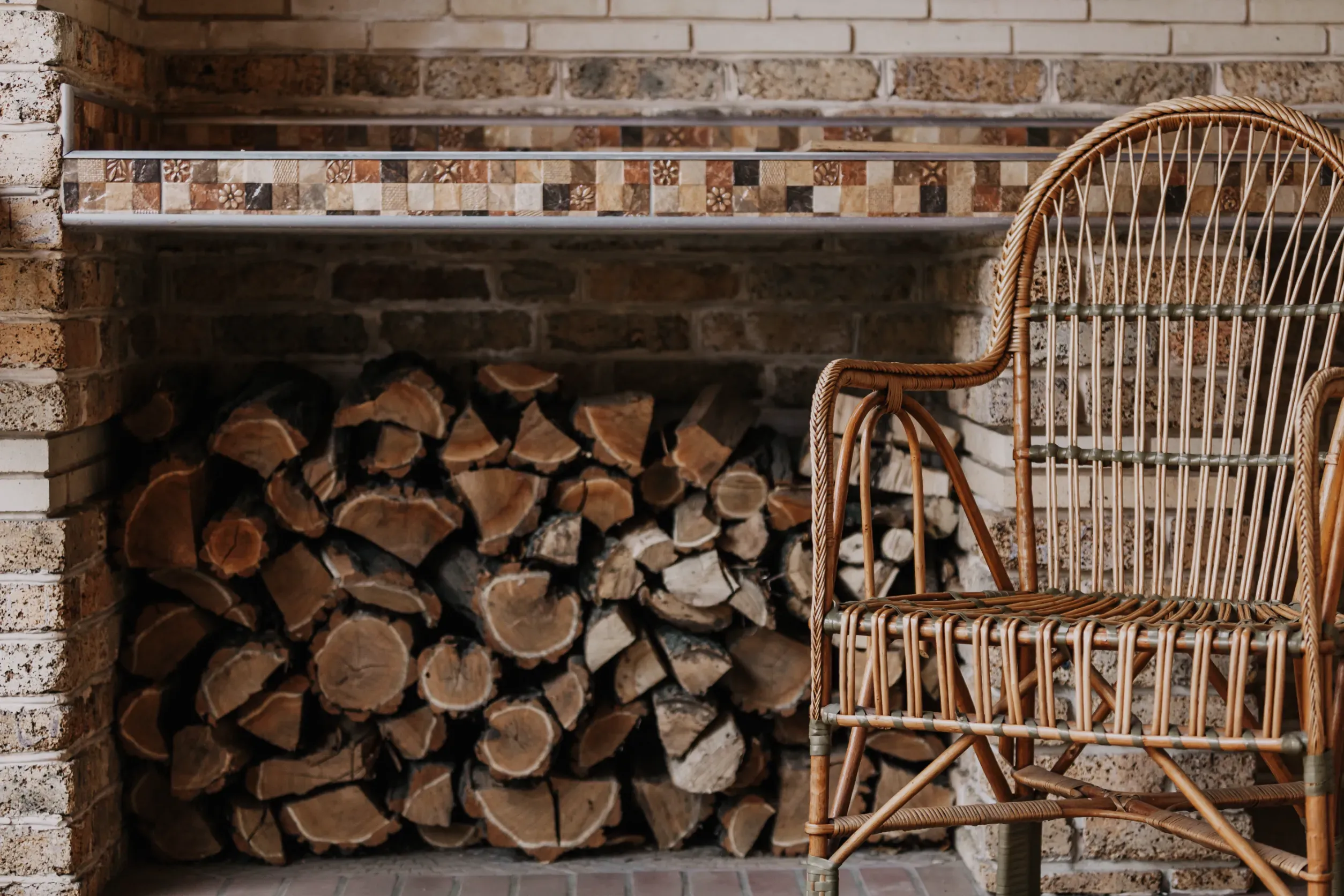
[glebchik] © 123RF.com]

Wood-burning stoves - Winter is approaching, and in all likelihood so is the perennial question of lighting home heating systems that are alternatives to traditional methane gas. Restrictions on the use of wood or pellet combustion systems that are not of the latest generation always provoke debate, if not outright protest, in some sections of public opinion.

A study from the United Kingdom, funded by the charity Impact on Urban Health, has just been published and is bound to make people think, given its rather striking results – although, according to many, they are not unexpected.

Rachel Pidgeon, head of the organisation that promoted the research, spells them out bluntly: ‘Air pollution from wood burning in the UK has doubled over the past ten years, with serious consequences for people’s health.’

Not only that: according to this research, as well as being harmful to the environment and to human health, wood heating is also more expensive than other methods, and essentially uneconomical.

Show more Show less

‘Our research dispels the myth that burning wood is a cheaper energy alternative,’ says Pidgeon. ‘In fact, heating a home with a wood-burning stove rather than a gas boiler or a heat pump costs at least 15% more.’

In the UK alone, sales of wood-burning stoves rose by 40% between 2021 and 2022. Besides the (supposed, as noted) saving in costs, there is undoubtedly also the aesthetic appeal of watching a fire burn at home: and there would certainly be nothing wrong with that.


However, scientists now agree that people who burn wood expose themselves – and their neighbourhoods – to high levels of the most dangerous fine particulate pollution, PM2.5, which can cause serious health problems: from heart disease to stroke, asthma and even cancer.

According to a study published in the UK last year, wood-burning stoves – even ‘eco designed’ ones, mind you – produce 450 times more air pollution than centralised gas heating. Older-generation stoves produced as much as 3,700 times more.

Which, translated, means that burning wood in homes produces more fine particle pollution than all road traffic.

But at least burning wood is a cheaper source of energy, it has always been said. Yet even that is not true. Quite the opposite.

Lucy Anderson, head of research at Global Action Plan, confirms that ‘burning wood is almost always more expensive than other forms of heating in the UK’.

Indeed, when an English household uses a wood burner (newly installed and approved) for 20% of its heating, the annual cost turns out to be 24% higher than running a typical gas boiler. If (new-generation) wood burners are used for 80% of a home’s heat, the cost rises to almost 50%.

In short, in Britain wood burners (old and new) are more expensive than gas boilers and air-source heat pumps, as well as far more polluting. And – allowing for differences in climate and temperature and in the cost of wood – what about Italy? We await a study and some illuminating data.

Machine translation

Rispettiamo la tua privacy

Usando questo sito, noi e i fornitori terzi indicati nelle preferenze possiamo utilizzare cookie e tecnologie simili per i seguenti scopi:

  • Necessari: Funzioni di base: sicurezza, sessione e memorizzazione delle tue scelte.
  • Servizi esterni: Contenuti incorporati di terze parti, come i video. Si caricano solo se li autorizzi: a quel punto il fornitore riceve il tuo indirizzo IP e può usare cookie propri.

Solo i cookie necessari sono attivi senza consenso. Alcuni fornitori possono trasferire dati fuori dall'UE. Puoi modificare le scelte in qualsiasi momento dal collegamento «Modifica privacy» in fondo alla pagina; chiudendo con la X continui con i soli cookie necessari.

Personalizza