The attention of the institutions is a clear sign of the importance of this evolution. In the Ministry of Tourism’s new Policy Directive for the three-year period 2025–2027, sustainable tourism is recognised as a strategic axis for relaunching the sector, with a focus on digitalisation, accessibility and the spreading of tourist flows across the seasons. The aim is to reduce environmental impact and improve the appeal of Italy’s tourism offer, expanding investment opportunities for businesses in the sector.
But how can a farmhouse actually be turned into an eco-sustainable agritourism business? The answer lies in a combination of technological innovation, smart building choices and a strong bond with the local area.
To make an agritourism business a model of green hospitality, it is essential to act on several fronts. Energy efficiency is one of the pillars: 25% of properties have already installed solar panels to generate their own energy, while thermal insulation and LED lighting reduce consumption without compromising guests’ comfort.
Optimising water management is another crucial aspect. Collecting rainwater and reusing it for irrigation and toilets, together with low-flow taps and dual-flush toilets, helps limit waste and keep operating costs down.
There can be no talk of eco-sustainable agritourism without addressing regenerative agriculture. Organic crops without pesticides, crop rotation and natural fertilisers are practices that not only protect the environment but also enhance local produce. Offering guests zero-mile food, perhaps involving them in visits to the vegetable gardens or traditional cooking workshops, increases the value of the experience and creates an authentic bond with the area.
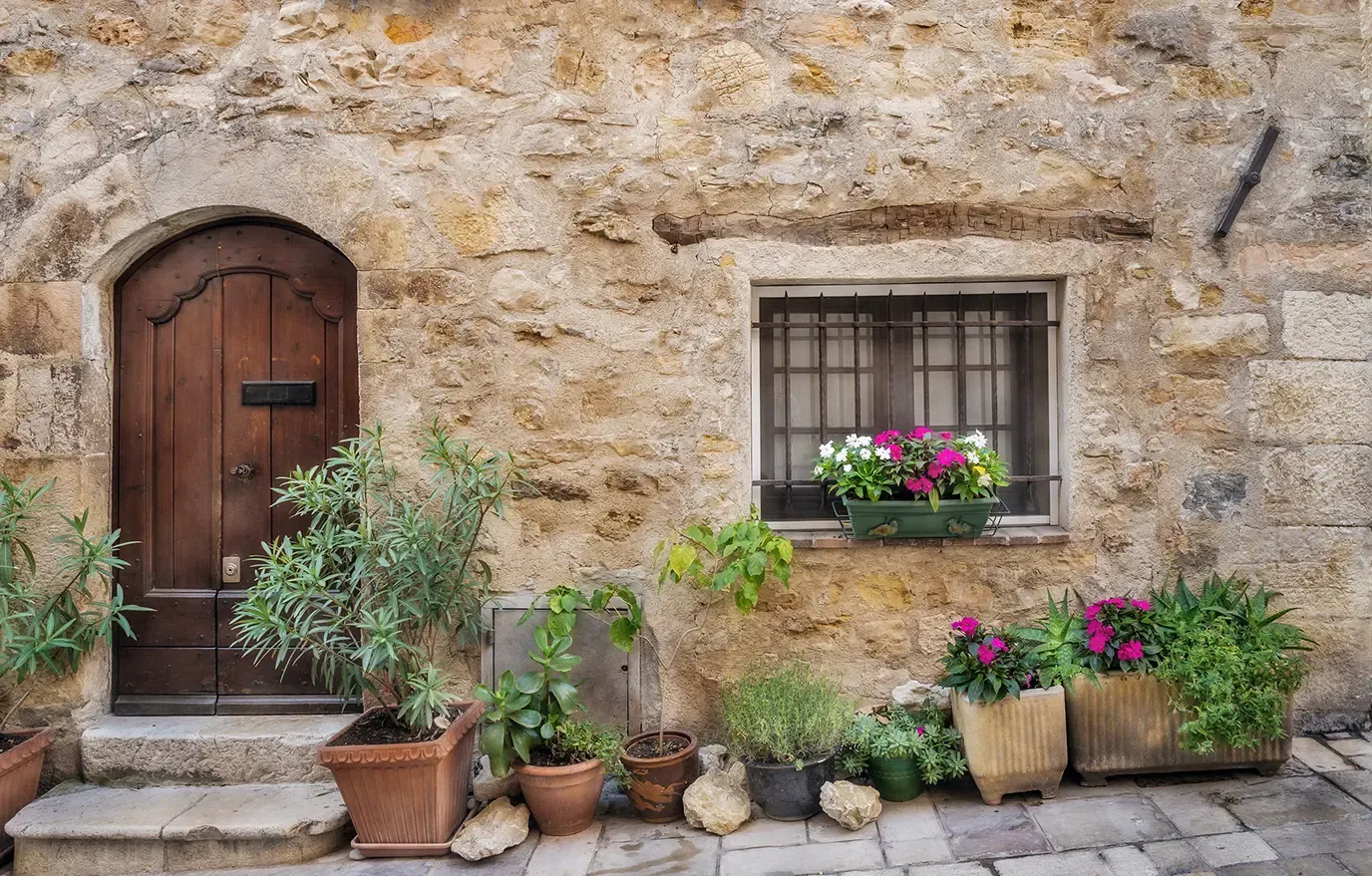
Sustainable architecture is another key aspect. Renovating a farmhouse with local materials such as wood, stone and straw not only reduces environmental impact but also preserves the identity of the place. Double or triple glazing improves thermal insulation, while eco-friendly furnishings complete the picture of a property that combines respect for the environment with modern comfort.
Another element that can make the difference is guest involvement. A sustainable agritourism business is not just a place to stay, but also a space for raising awareness. Organising activities such as zero-impact trekking, tree planting or environmental education workshops allows visitors to become an active part of the project.
Incentives and economic return
Investing in sustainability is not only an ethical choice, but also a financially advantageous decision. The Ministry of Tourism has outlined a strategy to support the sector that includes European funds (FSC and PNRR) earmarked for modernising accommodation facilities and for the ecological transition. These funds, combined with tax incentives for energy efficiency and organic farming, offer concrete opportunities to cut costs and increase competitiveness.
Moreover, the digitalisation of the tourism sector, promoted by the Strategic Plan for the development of tourism 2023–2027, is an opportunity not to be underestimated. Using digital platforms to promote properties, monitor environmental impact and manage resources intelligently makes it possible to improve the visibility and profitability of green agritourism businesses.
Demand for sustainable tourism is set to grow, and those who decide to invest today in an eco-sustainable agritourism business position themselves ahead of the competition. It is not just a matter of complying with environmental regulations, but of responding to a real market need, which rewards properties able to offer authentic experiences that respect the local area.
The agritourism business of the future is green, digital and integrated with the landscape. The institutions are providing the tools to make this transition, and the right time to invest is now.