How to recognise greenwashing
- Check the evidence: Verify whether the company provides concrete data and evidence to support its environmental claims. Transparency is a good indicator of sincerity.
- Research the certifications: Not all certifications are equal. Check whether they are issued by independent and recognised bodies.
- Analyse the entire production chain: Consider the product’s whole life cycle, not just one part. Even if a product is made with sustainable materials, it may have a negative impact at other stages of production or distribution. It may seem complicated, but in fact many genuinely sustainable companies are happy to inform their customers about this aspect too.
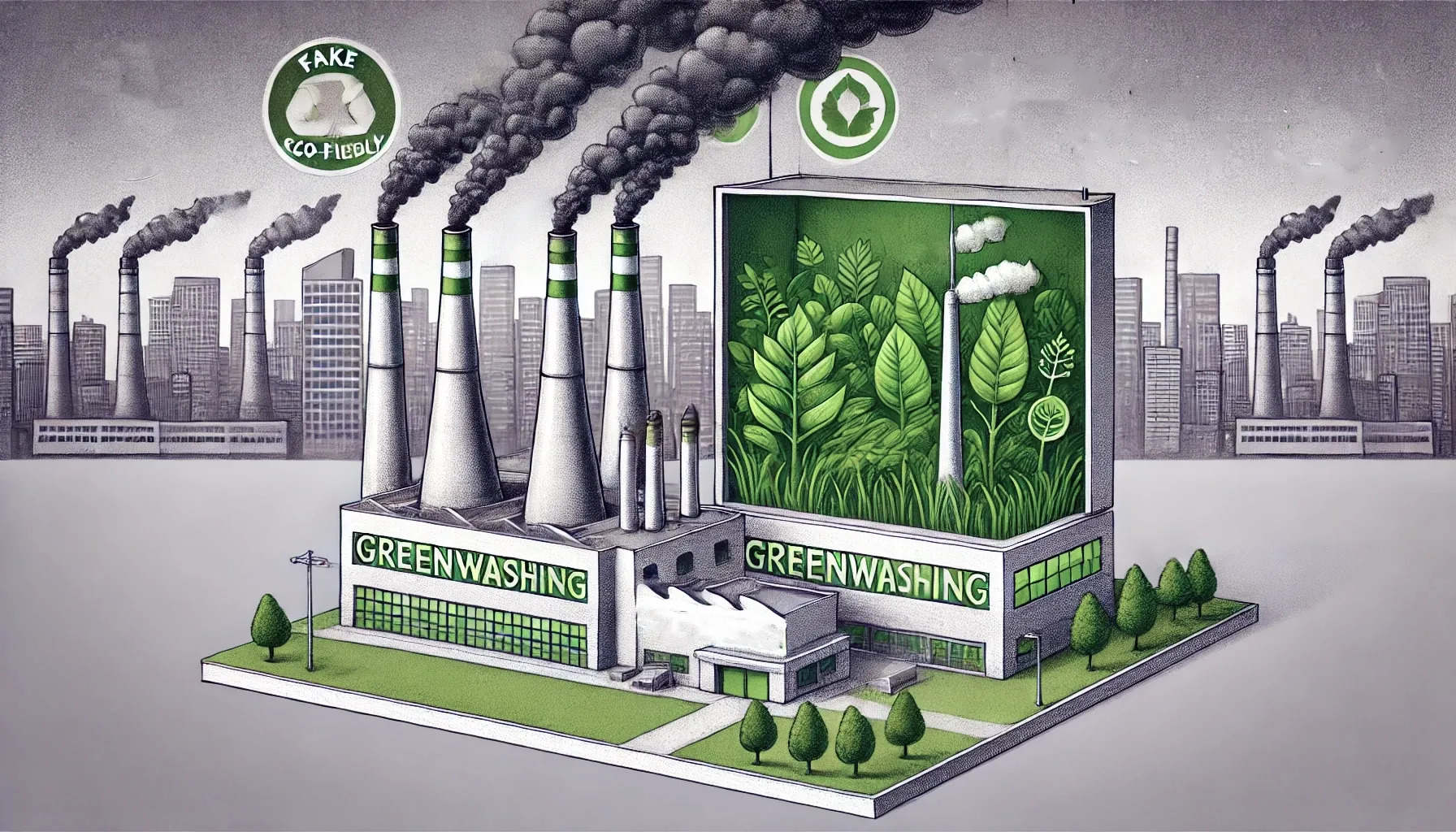
- Beware of generic terms: Words such as “natural”, “biodegradable” or “eco-friendly” can be misleading if not explained in detail. Unfortunately, this is a widespread practice.
- Assess the company’s consistency: If a company promotes a single green product but has a long history of unsustainable practices, it could be greenwashing. To check for this discrepancy, the company website can be a useful resource, as it often includes details of sustainability initiatives and company values. Moreover, if the company is well known and has existed for many years, it will be relatively easy to find information through search engines too, including newspaper articles, sustainability reports, reviews and independent assessments that can help you form a complete opinion on the company’s real sustainability
How to avoid greenwashing: advice for consumers
- Educate and inform yourself: Learn about environmental issues and what sustainability really means. Knowing the terms and concepts will help you make more “informed” and “targeted” choices.
- Support transparent companies: Look for companies that publish detailed sustainability reports, that are transparent about their processes and that commit to continuous improvement.
- Check for reliable certifications: Some recognised certifications include Fair Trade, FSC (Forest Stewardship Council), Ecolabel and B Corp. These are usually reliable and have rigorous criteria.
- Ask questions: Do not hesitate to ask companies for more details about their products and processes. Truly sustainable companies will be happy to provide information.
- Support products with concrete positive impacts: Choose products that demonstrate real positive impacts, such as reduced carbon emissions, the use of certified recycled materials or support for environmental causes. In this way, you will favour virtuous companies over those that do not adopt sustainable practices, helping to encourage responsible behaviour in the market and to promote more conscious, environmentally respectful consumption.
Negative impacts of greenwashing
But what are the negative impacts? Besides deceiving consumers, an issue with ethical and legal repercussions, it could reduce customers’ general trust in genuine environmental initiatives, which may be viewed with a widespread sense of distrust.
It is understandable that this phenomenon harms genuinely sustainable companies above all, because it makes it harder, and consumers less motivated, to distinguish between those who engage in “eco-marketing” and those who are truly committed to providing environmentally friendly products.
As consumers, therefore, it is important to remain vigilant, stay informed and make conscious choices that support companies that are truly committed to producing or selling environmentally friendly products. In this way we can contribute actively to the fight against climate change.
The EU solutions
Now, at last, the EU is also taking action. The year 2024 began with the European Parliament’s approval of EU Directive 2024/825, adopted on 28 February 2024, aimed at improving practices related to product labelling and curbing misleading environmental claims.
Companies will be required to use sustainability labels established by public authorities or certifications based on transparent standards that can be verified by third parties, thus eliminating the use of self-declared and unreliable certifications.
The Directive also bans generic environmental claims such as “green” or “eco-friendly”, unless they are supported by concrete evidence, recognised as compliant with standards such as the Ecolabel Regulation.
These rules aim to prevent consumers from being misled about the environmental or social aspects of products, promoting greater transparency. In the event of violations, companies may be fined from €5,000 to €10 million, depending on the seriousness of the deception. To comply with the new rules, companies will have until 27 September 2026, although some practices regulated by the Directive are already considered misleading and punishable under current legislation