Viruses and the environment. In this interview Leonardo Borgese explains the relationship between climate change and viruses. We also discuss globalisation and how it influences the arrival of new viruses. We also take a closer look at Covid-19 and its origin: how viruses come about that then become pathogenic to humans.
What viruses are
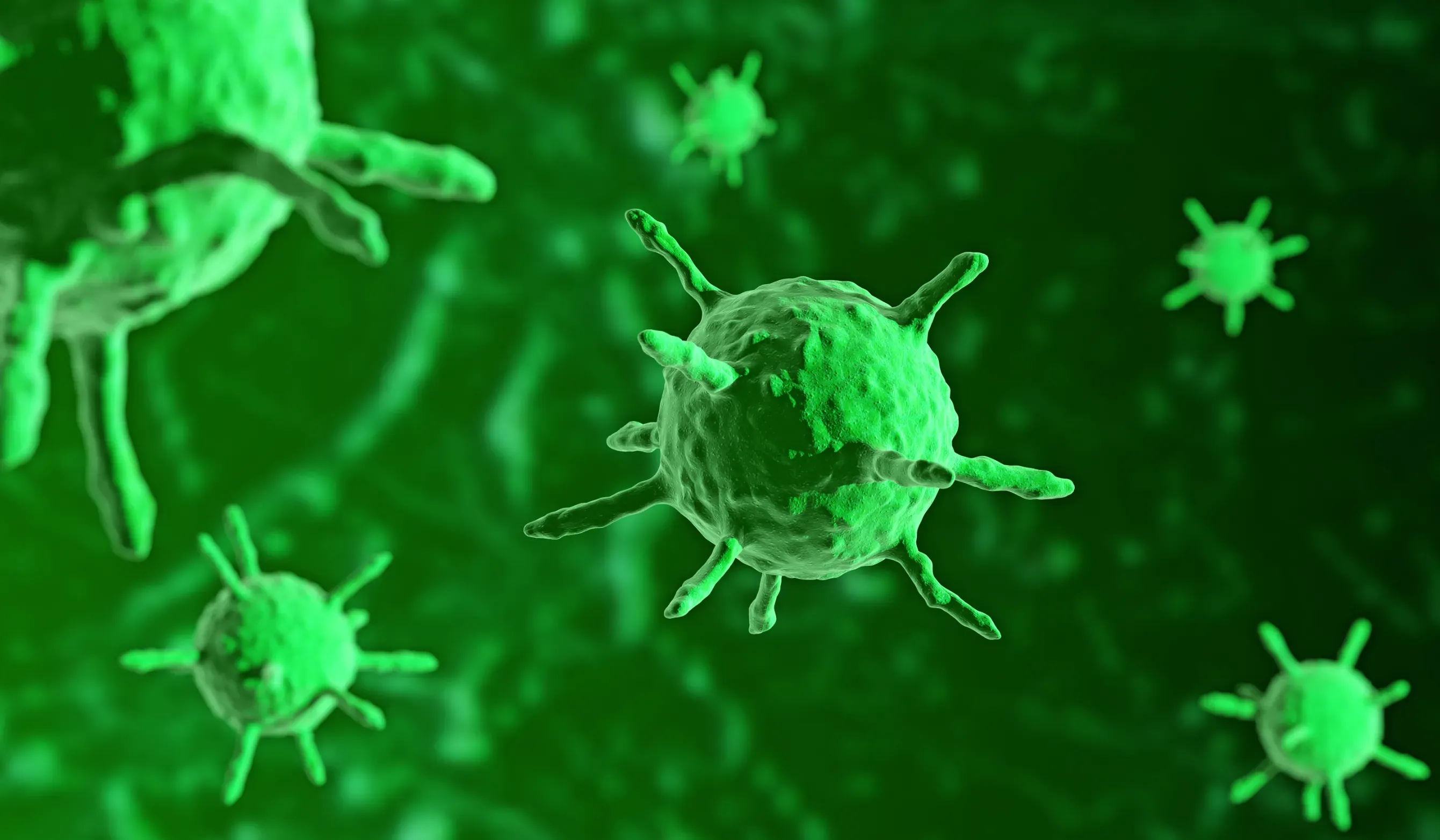
In common thinking we associate viruses with something harmful to human health: yet Professor Borgese explains that there are viruses that are useful to life.
Viruses were the first forms of organisation of living matter: genetic fragments, molecular aggregates that gave rise to life.
Later, retroviruses, which can enter the human genome, became part of higher particles and therefore part of the human being.
Can viruses mutate in relation to the environment? Why can this be dangerous for humans?
There is certainly a relationship between climate change and viruses. Take El Niño, which is also a natural phenomenon: an increase in cholera infections has been shown when it occurs.
The rise in land and water temperatures over the last four decades has, among other consequences, an increased risk of the spread of certain viruses.
But economic globalisation also has its weight, as Professor Borgese explains, making some viruses of local origin ‘international’.