The term ‘upcycling’ was therefore adopted to describe a process that not only stops objects from becoming waste, but elevates them, through creativity and design or technology, to a new life, giving them significant added value. This practice differs from traditional recycling, which often degrades the original material, limiting its future use to lower-quality products.
Upcycling has gained popularity in various areas, from fashion, where discarded fabrics are turned into high-fashion garments, to interior design, with furniture and decorations made from disused industrial objects. Even in technology, for example with the revamping of industrial machinery.
This concept has led to a cultural change in which the reuse of materials is seen not only as a necessity or an ecological choice, but also as an artistic statement and an opportunity to express one’s creativity on a variety of levels.
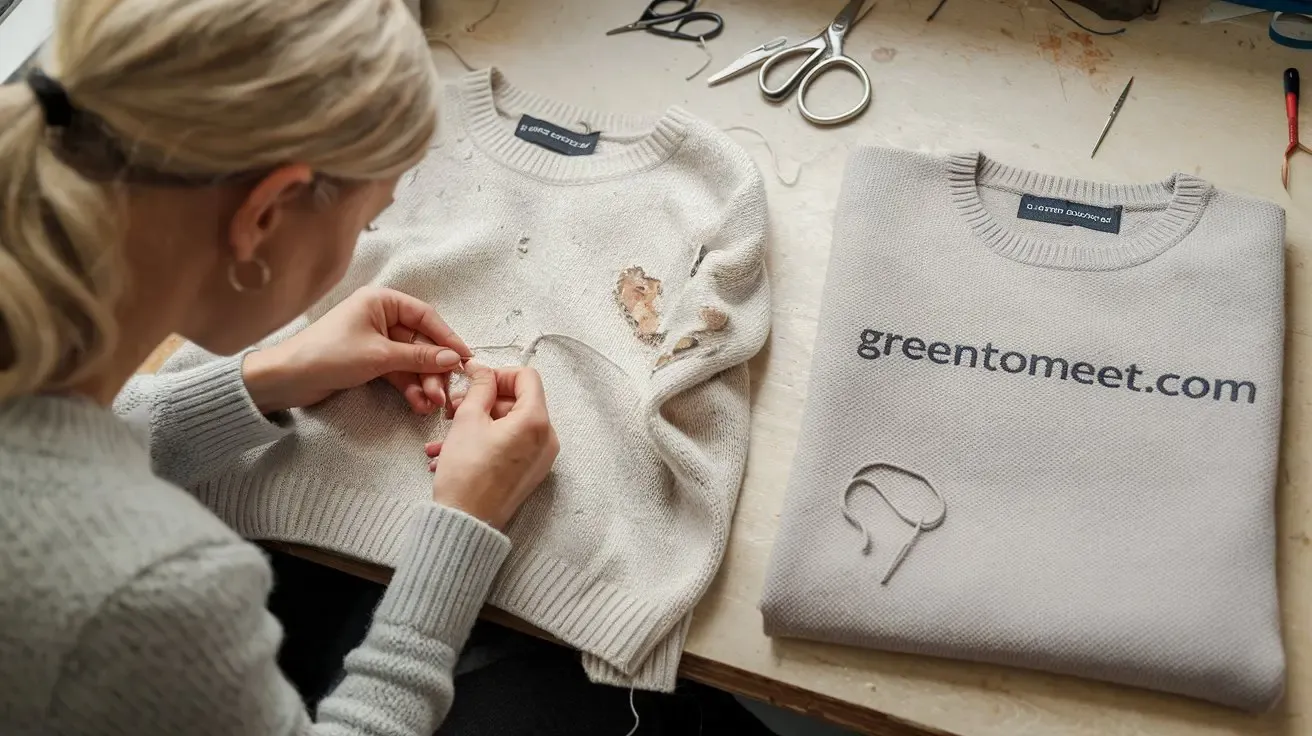
Upcycling in fashion has a special advantage: it increases the value of vintage. An old jumper can become an elegant blanket, and a forgotten suitcase can become a charming armchair. This practice not only saves these objects from oblivion but makes them rise like phoenixes from the ashes, giving them a new economic value that reflects their new uniqueness, the result of the manual work invested, the creativity infused and the materials used.
Who are upcyclers?
We could describe upcyclers as modern alchemists. They are not discouraged by an object’s initial appearance, but see the potential of what it can become. They are creative and patient, and have an eye for design. Most of all, they are driven by an insatiable desire to experiment and create new objects.
Glass bottles turned into trendy lamps, old tyres finding new life as garden seats; design, fashion, furnishing, technology: upcycling can touch every corner of creativity. Some of the best-known objects born from this practice include bags made from old seat belts and tables made from industrial cable reels. Even famous brands have taken inspiration from items seen on the street, created by unknown artists.
Well, now you have discovered the secret to turning what is ‘old’ into something ‘exceptionally new’. I am sure you will be excited at the idea of starting to create something personal. You can embark on this creative journey without spending a penny, simply by exploring the wardrobe at home to find items abandoned for years, or by searching among the things forgotten in the garage or attic.
Arm yourself with glue, paint and a pinch of imagination. You could transform an old bag, renew a jumper or even make a case for your mobile phone that will make your friends green with envy.
One more thing that doesn’t hurt: the planet will be grateful for your contribution to sustainability, and who knows, perhaps your wallet will benefit too.