Today is monday 9 november 2026
Webzine of ecological news

Practical ecology · Mobility

The bicycle: why we should never give it up

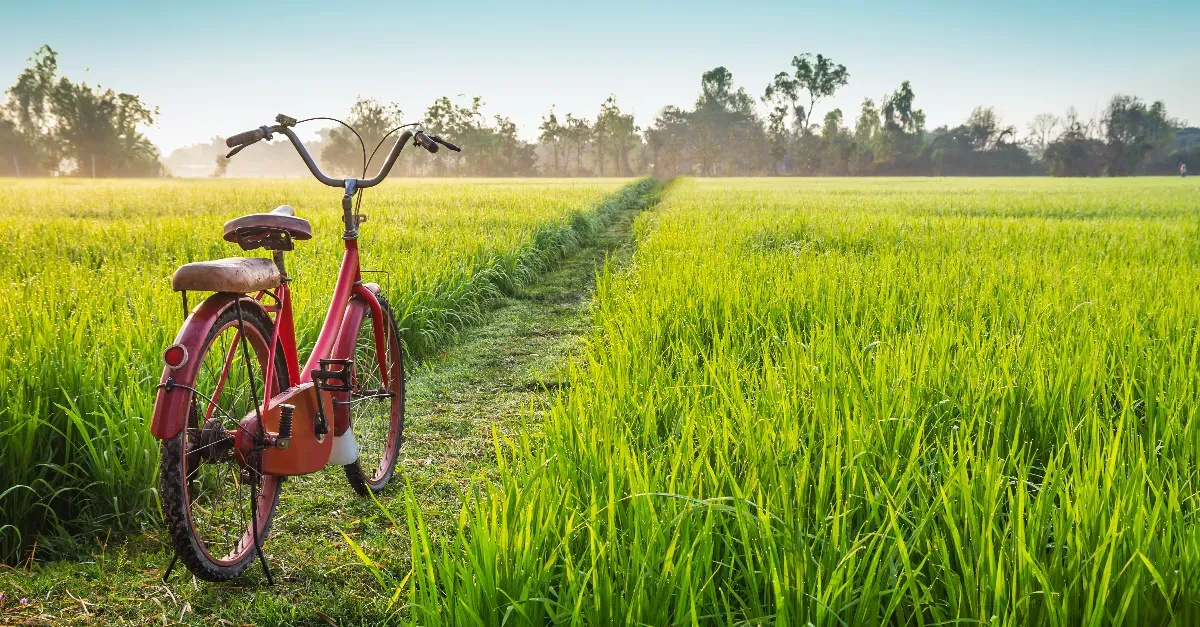
The bicycle is a means of transport that offers numerous advantages, both for those who use it and for the environment. There are also other positive aspects to consider. Like a mantra, we repeat the reasons why we must never abandon our faithful friend.

[aireo] © 123RF.com

Repetita iuvant, an ancient Latin expression of uncertain origin, still frequently used today, meaning that repeating something can benefit the result. So, like a mantra, let us repeat, and remind ourselves, why the bicycle is an excellent tool for the environment, for our health, for our wallets and for the country’s economy.

Getting around by bicycle cuts emissions and car costs

Obviously, when you use a bicycle there are no exhaust emissions, which are harmful both to the environment and to health. Using a bike to get around solves the problem of the traffic bans on cars that many cities impose in winter because of the high levels of fine particulate matter in the air. Admittedly, this option is only available to those who live in the city and do not come from neighbouring towns, but even if many city residents started using a bike, the problem would ease considerably.

Besides the environmental benefit of cleaner air, there is also a big benefit for your wallet. In fact, besides the cost of fuel, a car has maintenance costs that cannot be ignored. And of course there is no problem with parking or with the morning traffic that so often gets the day off to a bad start.

Show more Show less

The bicycle is good for your health

Cycling is good for your health for several reasons. First of all, physical activity is a great way to stay fit and healthy. Here are a few points in its favour:

  • Higher daily calorie consumption, and therefore the prevention of obesity.
  • Lower risk of atherosclerosis and heart attacks, since the bicycle is a real boon for the cardiovascular system.
  • Better lung health, thanks to the physical exercise.
  • Greater mental clarity and less stress.
  • Maintaining physical fitness.

If you don’t have a bicycle, there is bike sharing

It is hard to believe that any of us does not have a bicycle at home. But if that were the case, or if it were better not to use it, for example because you would have to park it and don’t want to take any risks, be aware that many cities offer bike-sharing services, where you can borrow a bicycle for short journeys.

As we said, if you don’t have a bicycle of your own, this can be an excellent option for getting around town. The bicycles can be picked up from any point in the city and are usually rented through an app that tracks your route and the time of use by scanning the code on the bicycle. To pay, you simply link a card to the app. A bit like what happens with electric scooters.

Taking the bike to discover places

Cycling certainly forces you into a slower pace and takes you through more hidden places. It is a great way to discover new places, lanes, alleys and little shops in your own city that you may not have known. You appreciate nature if you ride through parks, and you can see and hear the seasons following one another and the changes in the landscape that follow those of the weather. It is certainly a relaxing activity, a way to switch off, even for just five minutes, from the hectic daily routine.

The bicycle generates an economy

Finally, it is important to remember that a significant economy has developed ‘around the bicycle’. Numerous companies, engaged in production, tourism organisation and sport, have created profitable businesses thanks to the existence of this means of transport. So, in a light-hearted tone, what can we say to these entrepreneurs to encourage them to develop ever more advanced products that are good value for the consumer? ‘You wanted the bicycle?’ Then pedal. Or rather, let us pedal together to keep this habit alive.

bicyclefondo2

Machine translation

We respect your privacy

When you use this site, we and the third-party providers listed in the preferences may use cookies and similar technologies for the following purposes:

  • Necessary: Core functions: security, session and storing your choices.
  • External services: Embedded third-party content such as videos. It only loads if you allow it: the provider then receives your IP address and may set cookies of its own.

Only necessary cookies are active without consent. Some providers may transfer data outside the EU. You can change your choices at any time from the «Privacy settings» link at the bottom of the page; closing with the X continues with necessary cookies only.

Customise