Heating, ventilation and air conditioning systems (HVAC)
HVAC systems are a fundamental part of any building. A building’s heating, ventilation and air conditioning systems take care of removing pollutants from the indoor air and introducing fresh air.
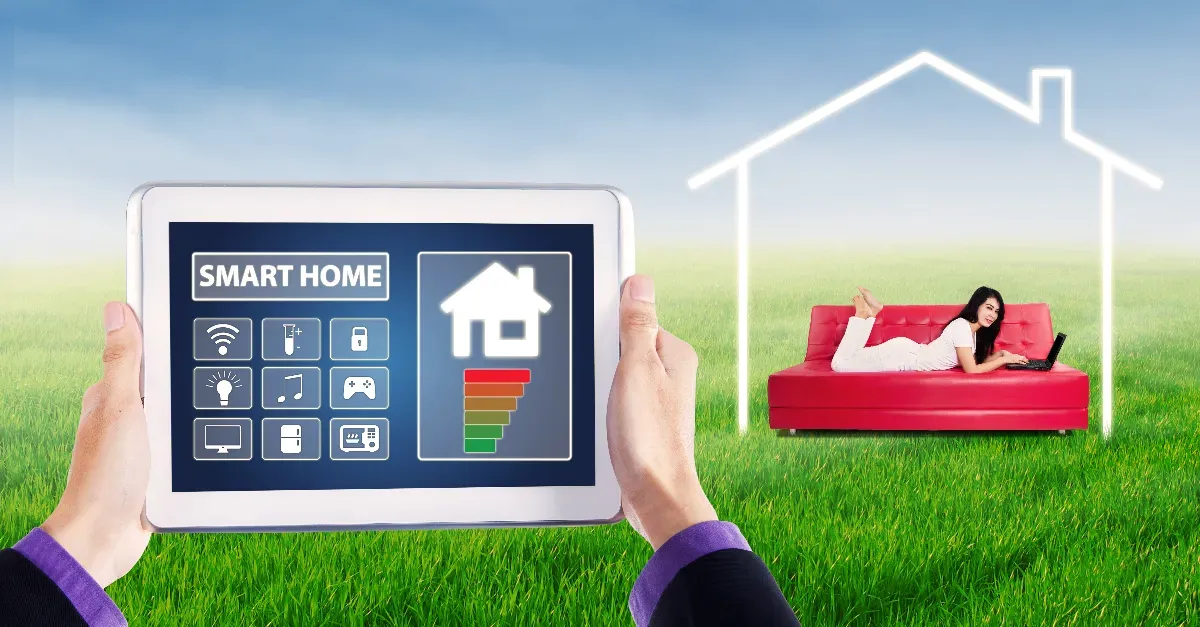
A smart HVAC system will be able to monitor and report energy consumption, alert the user to any leaks, create a personalised ventilation plan and receive commands from a smartphone app. The smart ecosystem will probably include a suitable thermostat, sensors that collect data from the environment, and a humidifier or dehumidifier that is more like a computer than a simple appliance.
Smart thermostats
The thermostat is an essential part of a smart home. It can be used to adjust the temperature of the home automatically, monitor energy consumption and even detect fires. A thermostat that is almost a computer can learn your habits and create a personalised schedule to adjust the temperature automatically. Most smart thermostats can be controlled remotely via a smartphone app, which allows you to control the temperature even when you are not at home. Many thermostats of this kind also include sensors that collect data on the indoor climate and can be used to adjust the HVAC system.
Building automation
Building automation refers to the process of centralising the control and management of buildings. Many so-called ‘smart’ homes are equipped with building automation systems that can be controlled remotely, making it possible to manage several systems (such as HVAC and lighting) from a single central hub. Building automation systems are also used in commercial buildings, but they do not always have processing capabilities. A commercial building automation system generally includes sensors and actuators that control the environment, such as temperature, light and humidifiers. Building automation systems can be used to save energy, monitor the building for security and help improve the well-being of customers and employees.
Adding solar panels to the HVAC system
As we know, air conditioning systems can consume a significant amount of energy. Solar panels are an excellent way to produce low-cost energy. You can add solar panels to your HVAC system so as to power it during the day, and when they generate surplus energy, store it in batteries. In this way you can draw energy from the solar panels instead of relying on electricity from the grid. This is a simple example of hybrid renewable energy which, as everyone now knows, is expected to play an increasingly important role in the future of sustainable energy.
The homes of the future will be smarter and more sustainable than the ones we live in today.
Energy efficiency and renewable energy are two of the main trends that will characterise the homes of tomorrow. This is also the EU’s line. A smart home will not only be an efficient and comfortable building that allows occupants to manage their systems remotely, but also a system geared towards reducing the use of energy sources that pollute the planet. All of this will have a cost, and someone will have to bear it. The Green Homes decree, for example, passes the obligation to carry out upgrades on to private individuals and the administrations of each country. The costs required for these upgrades may not be within everyone’s reach. A substantial financial intervention by the European Economic Community may therefore be necessary.