This means that if a method is environmentally sustainable but economically unsustainable, it is not a viable long-term solution. In reality, sustainability is not about one or the other: it is about finding the right balance between the two. This brings us back to the initial question: is a vegetarian diet really more sustainable than an omnivorous one? Although a vegetarian diet may be more environmentally sustainable than an animal-based diet, it may not be so overall if it is not economically sustainable.
Environmental impact of meat production
To understand the environmental impact of animal production, we must first understand how it works. Raising animals for food involves many problems, which are probably the ones most people think of when they think about the environmental problems of meat production. First of all, there is the problem of water use.
Large amounts of water are needed to grow feed for the animals and then to clean and process the animals themselves. Then there is the problem of land use. To raise animals for food, land is needed to produce feed. Land is also needed to clean and process the animals themselves.
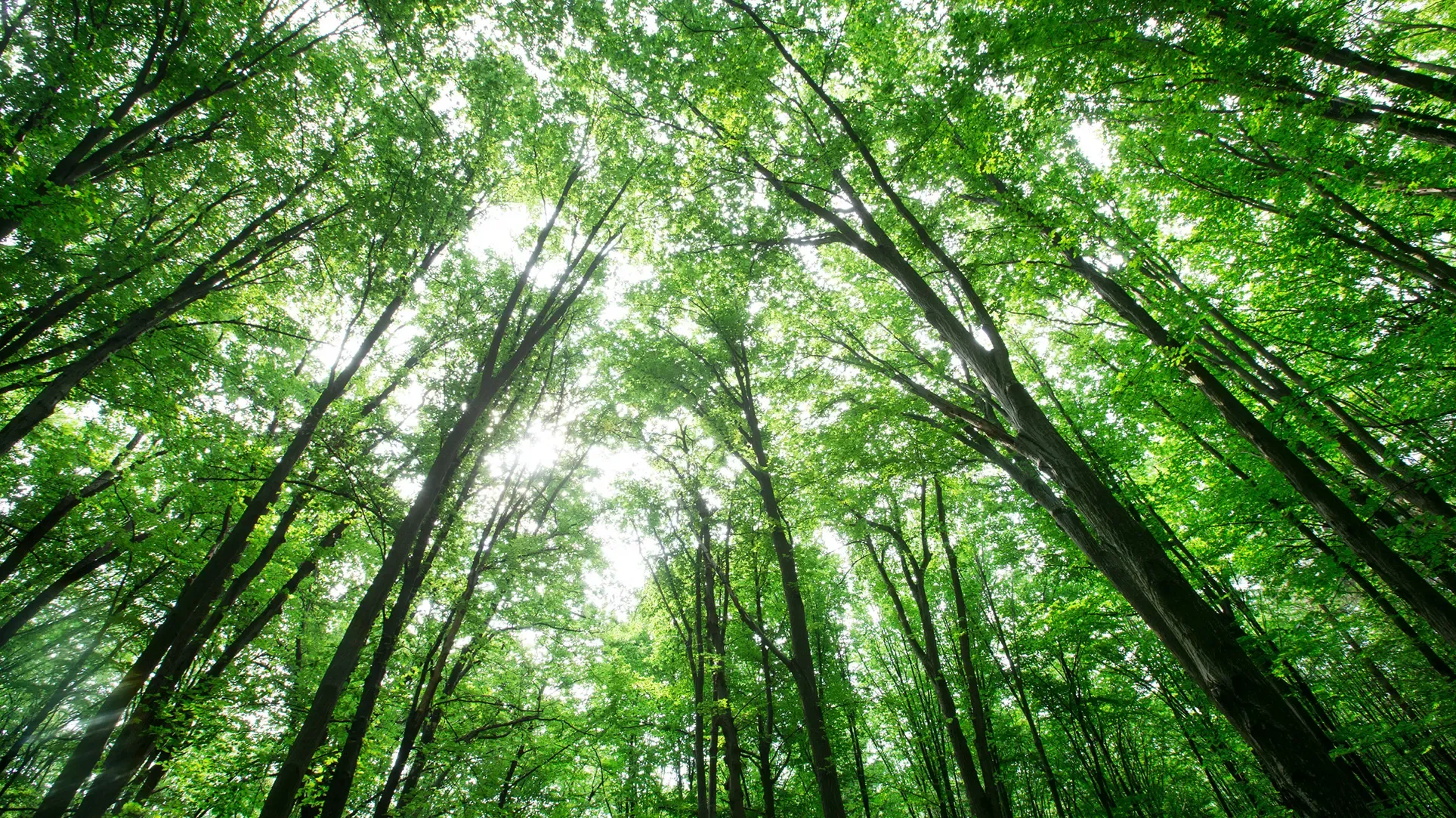
There is also the problem of deforestation. To expand the land used for meat production, trees are cut down. Forests and other ecosystems are vital to the health of our planet, yet they are destroyed to grow animal feed and to create land for raising animals to eat. According to the Food and Agriculture Organization of the United Nations (FAO), around 36% of deforestation can be attributed to the cultivation of animal feed. Then there is the question of greenhouse gas emissions.
Greenhouse gas emissions come from several sources linked to meat production. First, there are the emissions from the animals themselves. Then there are the emissions from cleaning and processing the animals. Finally, there are the emissions from growing animal feed. Overall, it has been estimated that meat production contributes to around 18% of greenhouse gas emissions, a significant percentage. There are also problems of air and water pollution and of water use.
Environmental impact of vegetarian food production
The production of vegetarian food also has its environmental problems. First, water use. As with meat production, water is needed for growing and for cleaning and processing the crops themselves. Second, there is land use. Land is needed both for cultivation and for cleaning and processing the crops themselves.
Third, greenhouse gas emissions. Although the production of vegetarian food does not involve greenhouse gas emissions from animals, it does produce greenhouse gas emissions from cleaning and processing the crops. Fourth: cleaning and processing crops can cause air pollution. Fifth: cleaning and processing harvests can cause water pollution. Sixth: cultivation can cause soil erosion.
A vegetarian diet may be more environmentally sustainable than an animal-based diet. It has been estimated that meat production contributes to around 18% of greenhouse gas emissions – a significant percentage. There are also problems of air and water pollution and of water use. The production of vegetarian food also has its environmental problems. Both vegetarian and non-vegetarian diets can be made more sustainable by reducing food waste and using environmentally friendly farming practices. It is important to be aware of the environmental impact of different diets in order to make sustainable choices.