Today is monday 9 november 2026
Webzine of ecological news

Sustainable economy · Sustainable business

Intensive farming. Not just an ethical problem

Intensive animal farming is a production system that involves the extensive use of enclosed spaces, industrial technologies and a high input of feed and antibiotics. This type of farming is used mainly for the production of meat, dairy products and eggs. And it is not only

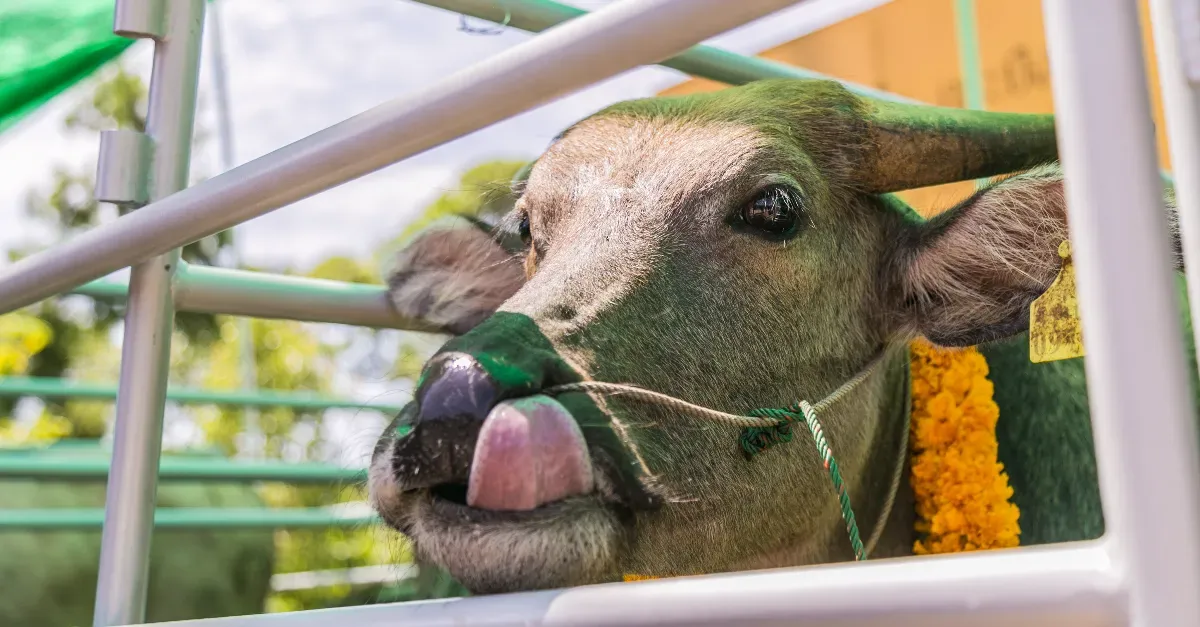
[tisomboon] © 123RF.com

Intensive animal farming is an animal production system that involves the extensive use of enclosed spaces, industrial technologies and a high input of feed and antibiotics. This type of farming is used mainly for the production of meat, dairy products and eggs.

Intensive farming contributes significantly to the greenhouse effect

Intensive farming is one of the main causes of environmental pollution. According to Greenpeace, it is responsible for about 17% of greenhouse gas emissions in Europe, more than the emissions from cars.

Most of the emissions from intensive farming are methane, a greenhouse gas 25 times more potent than carbon dioxide. Methane is released by animals when they digest food and in their waste. In addition, farmers often burn crop remains to get rid of weeds and fertiliser residues.

These practices contribute significantly to the greenhouse effect, which, as is well known, is raising the average global temperature. Intensive farming is also largely responsible for other environmental problems: deforestation, desertification and water pollution.


Show more Show less

Intensive farming exposes animals to many infections

In intensive farms, animals are exposed to extremely stressful conditions that make them vulnerable to infections. Bacteria and viruses spread rapidly in these unsanitary conditions, putting at risk not only the health of the animals but also that of the staff who work in these facilities.
There have been cases of avian influenza transmitted from animals to humans on farms of this type: it is a virus with a high mortality rate. Fortunately, the virus has not mutated to be transmitted between humans.

Antibiotics can end up in meat in uncontrolled situations

Since the animals live in extremely cramped spaces and are at high risk of infections, dangerous both to themselves and to the farmers, the animals reared are often given antibiotics to prevent disease. These antibiotics can then end up, especially in uncontrolled situations, in the meat we eat, increasing the risk of bacterial resistance in humans: a considerable problem for human health in our times.

Animals in extreme and unacceptable conditions

Animals are confined in cramped, overcrowded spaces, often have little or no access to fresh air or sunlight, are completely deprived of their natural behaviours and are treated like production machines.
These stressful conditions are not just an ethical problem, as many still think, but directly affect the animals’ health, causing disease, infection, suffering and premature death. All situations that are potentially very dangerous for humans too.

Machine translation

Rispettiamo la tua privacy

Usando questo sito, noi e i fornitori terzi indicati nelle preferenze possiamo utilizzare cookie e tecnologie simili per i seguenti scopi:

  • Necessari: Funzioni di base: sicurezza, sessione e memorizzazione delle tue scelte.
  • Servizi esterni: Contenuti incorporati di terze parti, come i video. Si caricano solo se li autorizzi: a quel punto il fornitore riceve il tuo indirizzo IP e può usare cookie propri.

Solo i cookie necessari sono attivi senza consenso. Alcuni fornitori possono trasferire dati fuori dall'UE. Puoi modificare le scelte in qualsiasi momento dal collegamento «Modifica privacy» in fondo alla pagina; chiudendo con la X continui con i soli cookie necessari.

Personalizza