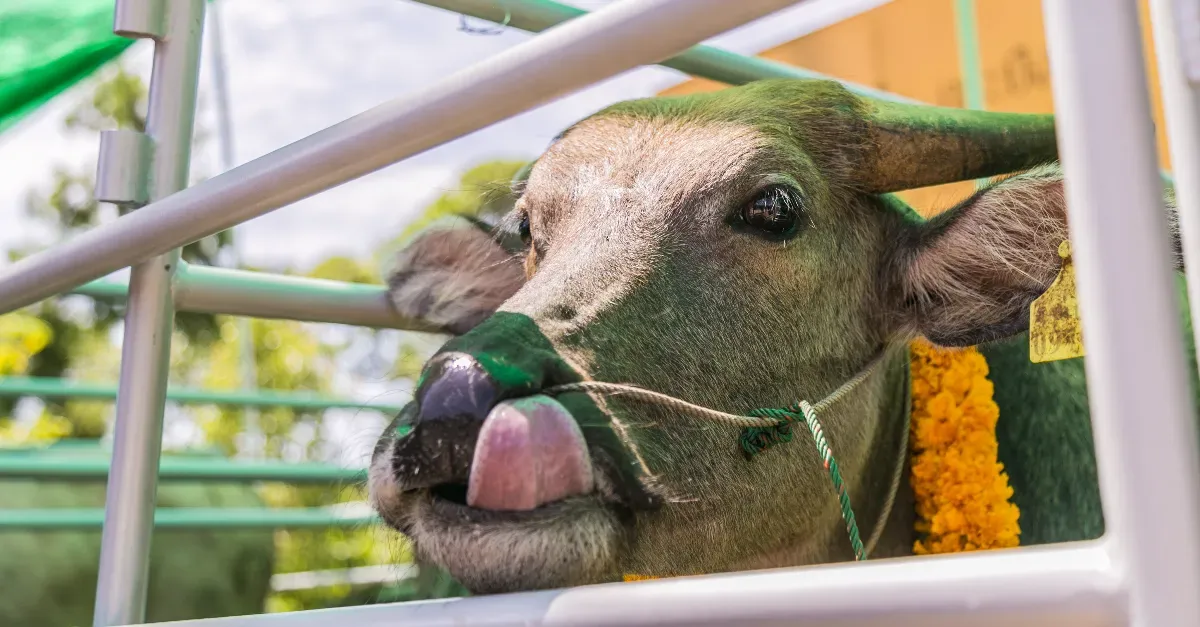
Intensive animal farming is an animal production system that involves the extensive use of enclosed spaces, industrial technologies and a high input of feed and antibiotics. This type of farming is used mainly for the production of meat, dairy products and eggs.
Intensive farming contributes significantly to the greenhouse effect
Intensive farming is one of the main causes of environmental pollution. According to Greenpeace, it is responsible for about 17% of greenhouse gas emissions in Europe, more than the emissions from cars.
Most of the emissions from intensive farming are methane, a greenhouse gas 25 times more potent than carbon dioxide. Methane is released by animals when they digest food and in their waste. In addition, farmers often burn crop remains to get rid of weeds and fertiliser residues.
These practices contribute significantly to the greenhouse effect, which, as is well known, is raising the average global temperature. Intensive farming is also largely responsible for other environmental problems: deforestation, desertification and water pollution.