Today is monday 9 november 2026
Webzine of ecological news

From around the world · News and current affairs

In Switzerland, ‘yes’ wins the referendum on the law for net zero emissions by 2050

The clear victory (59%) of those in favour of stringent measures against climate change is shaped by the concern of a country watching its glaciers melt at record rates

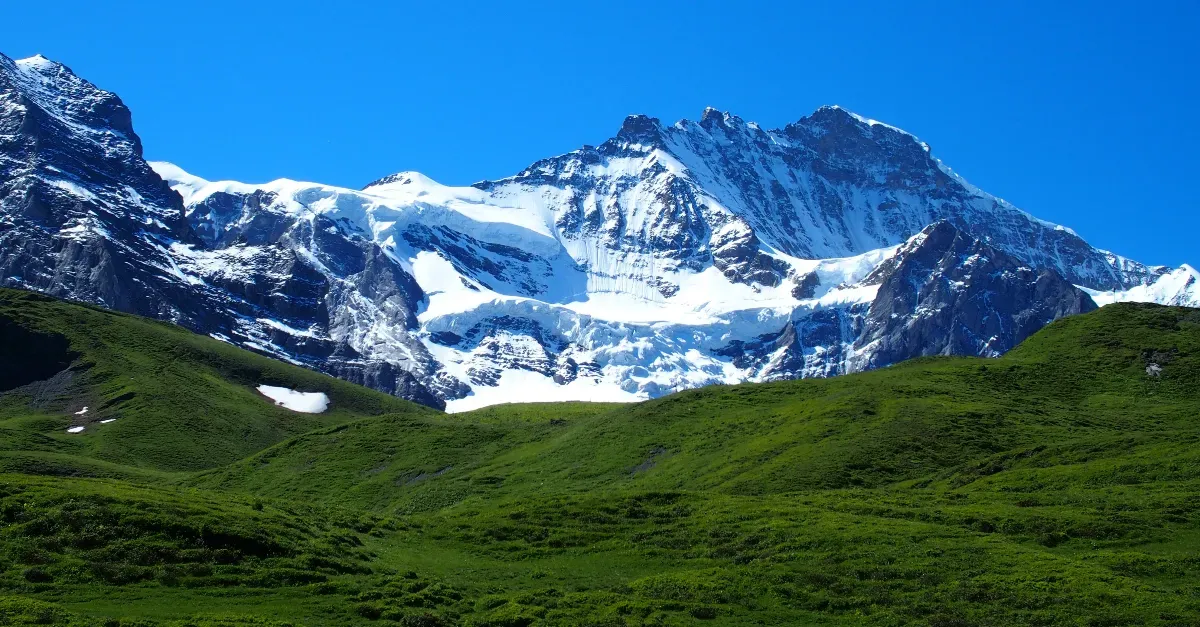
[photoholidays] © 123RF.com

In Switzerland, ‘yes’ wins. It is well known that in Switzerland the referendum is the fundamental political instrument for deciding on many crucial questions of national life – and that sometimes the results can be debatable.

Last Sunday, however, the Swiss people went to the polls to express their view on the environmental crisis, which in the country is made plainly evident by the highly significant phenomenon of melting glaciers.
Voters in every canton therefore went to vote to approve or reject a bill requiring the country to reach net zero emissions by 2050.

The new law, which is one of the strictest of those adopted so far by various states on the green transition, aims to drastically reduce the use of fossil fuels and reach net zero emissions by 2050. Its supporters won, with a majority of 59% of voters (SRF data).
It provides for financial support of two billion Swiss francs over ten years to replace gas or oil heating systems with more climate-friendly ones, as well as an incentive to encourage technological innovation in businesses. On the other hand, the text of the law removes the taxes that had led Swiss voters to reject the CO2 law in June 2021.


Show more Show less

In the Swiss Confederation too, the now sharp divide between right-wing and left-wing political forces on environmental matters has resurfaced. Describing the law as an “electricity guzzler”, the Swiss People’s Party (SVP) was the only party to oppose it head-on, its main argument being that the measures would lead to a significant rise in energy bills.

Scientists, however, have taken the field alongside environmental groups, setting the force of real numbers against the (presumed) economic estimates: Swiss glaciers recorded record melting last year, losing more than 6% of their volume.

Along with the provisions on emissions, voters also approved the OECD-G20 project introducing a minimum tax rate of 15% for multinational companies.

Some 80% said they were in favour of the new rate. And so Switzerland, which had a tax rate of 11%, will raise corporate taxation by 4 points, while still maintaining one of the lowest levels of corporate tax in the world.

said: “Switzerland will not lose any tax revenue to other countries,” said finance minister Karin Keller-Sutter. “This new law will also create legal certainty and a more stable framework.”

Machine translation

We respect your privacy

When you use this site, we and the third-party providers listed in the preferences may use cookies and similar technologies for the following purposes:

  • Necessary: Core functions: security, session and storing your choices.
  • External services: Embedded third-party content such as videos. It only loads if you allow it: the provider then receives your IP address and may set cookies of its own.

Only necessary cookies are active without consent. Some providers may transfer data outside the EU. You can change your choices at any time from the «Privacy settings» link at the bottom of the page; closing with the X continues with necessary cookies only.

Customise