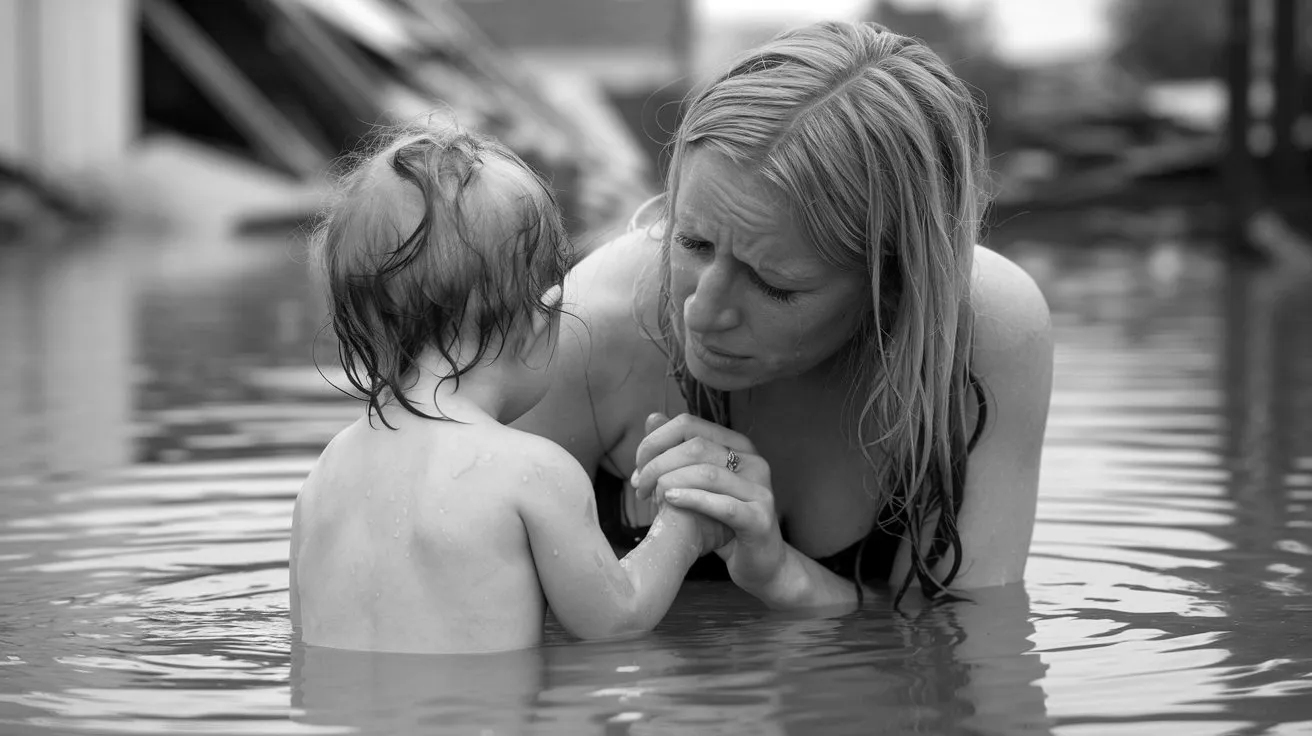
At that moment every shelter became a hope, every siren an outstretched hand to cling to.
Despite the efforts of the rescue teams, the hurricane claimed many lives, with more than 200 victims estimated in 6 states, tragically surpassing other devastating hurricanes such as Andrew in 1992. When Helene made landfall, the fury of nature struck a wide swathe of territory: North and South Carolina, Georgia, Florida, Tennessee and Virginia, bringing destruction and death with it.
The hurricane left thousands of people homeless and millions without electricity, forcing many to seek refuge in the emergency centres set up across the region. The local authorities, supported by FEMA (Federal Emergency Management Agency), quickly organised first-aid teams, distributed food and water and provided medical assistance to evacuees.
Hurricane Helene was the result of extreme atmospheric conditions in the Gulf of Mexico, fuelled by unusually warm waters that intensified its power. Starting out as a simple tropical depression, Helene rapidly turned into a Category 4 hurricane as it approached the Florida coast.
This phenomenon of ‘rapid intensification’ has become increasingly common, and many scientists link it to climate change. The heat of the Gulf waters gave Helene energy, pushing it to devastating levels of power.
Why did these floods cause so many deaths?
The flooding was particularly severe. A combination of factors made Helene extremely deadly: the amount of rain that fell in a few hours overwhelmed drainage systems, especially in urban and rural areas that were not prepared for an event of this magnitude. Cities such as Miami and Tampa suffered enormous damage, as the infrastructure was already at its limit from the overload caused by earlier rainfall.
Many people were trapped in their homes or cars when the rain turned the streets into sudden torrents. Even the evacuations, although ordered, were not enough to save everyone.
The speed with which Helene intensified surprised many residents. Population growth in Florida’s coastal areas, which has exposed more people to the risks of flooding, may have contributed to the increase in the number
Many buildings and infrastructure, built years ago, were not designed to withstand hurricanes of this power. According to a FEMA report, 80% of the affected buildings did not comply with updated anti-hurricane standards, making them vulnerable to Helene’s passage.
Another key factor was the lack of preparation in the most vulnerable areas, where rescue was made difficult by the destruction of roads and communications.
Underlying all this, unfortunately, is also climate change. As highlighted by studies such as that of Texas A&M Today, global warming is making hurricanes more powerful and more frequent. The warming of ocean waters is fuelling ever more devastating storms, and Helene is the latest example. With rising temperatures, these extreme events are expected to become increasingly common, and coastal communities will face a growing challenge to protect themselves.
However, some experts warn that, although the increase in extreme events is undeniable, not every individual hurricane can be attributed exclusively to climate change. Weather events such as Helene are complex and often influenced by multiple variables.
According to a study published in Nature Climate Change, natural climate variability still plays an important role in the formation and intensity of storms like this one. Therefore, while climate change amplifies these events, there are multiple factors that contribute to their genesis.
Adaptation
Moreover, the discussion remains open on how quickly coastal communities can adapt to these new climate conditions. Some critics believe that investment in modern infrastructure is not keeping pace with the speed of climate change and that more immediate and concrete measures may be needed to prevent future tragedies.
The economic damage caused by Helene is estimated at tens of billions, including the loss of property, damage to infrastructure and disruption of economic activity.