Today is monday 9 november 2026
Webzine of ecological news

Practical ecology · Gardening

How to create an organic vegetable garden in the city: tips and suggestions

Growing organic vegetable gardens in the city has become increasingly popular in recent years. Many people, even in limited spaces, are discovering the pleasure of growing their own vegetables and herbs, reducing their environmental impact and enjoying fresh, healthy food.

[andranik2018] © 123RF.com

Growing organic vegetable gardens in the city has become increasingly popular in recent years. Many people, even in limited spaces, are discovering the pleasure of growing their own vegetables and herbs, reducing their environmental impact and enjoying fresh, healthy food. Let’s look at the main steps for starting an organic vegetable garden in an urban setting: where to put it, the rules to follow, the materials and tools you need and which crops to grow.

1. Choose the right location

The first step in creating an organic vegetable garden in the city is choosing the ideal location. Even if you have limited space, there are several options to consider:

  • Balcony or terrace: If you live in a flat, you can start with a small garden on a balcony or terrace. Make sure the spot gets enough sunlight during the day.
  • Vertical garden: A vertical garden is an excellent solution for small spaces. You can hang it on a wall or a fence to grow herbs, strawberries or shallow-rooted vegetables.
  • Community garden: Check whether there are community gardens in your area, where you can rent or share a plot of land with other gardening enthusiasts.
  • Box garden: If you don’t have much space, consider creating a garden in boxes or pots. You can put it on a windowsill, by a window or in any other sunny spot.

Show more Show less

2. Know the local rules

Before you start growing your garden, it is important to familiarise yourself with the local rules on urban agriculture. Some cities may have regulations on the size of gardens, the use of pesticides and other restrictions. Also, if you live in a block of flats, find out what the building’s rules say on the matter. Make sure you comply with these rules to avoid legal problems or unpleasant disputes with your neighbours.

3. Buy the necessary tools and materials

To start your organic vegetable garden, you will need a few essential materials:

  • Organic soil: Use high-quality soil enriched with compost or humus.
  • Containers or pots: Choose containers or pots of a size suited to your space and your needs.
  • Organic seeds or seedlings: You can start from seeds or buy organic seedlings from a local nursery.
  • Irrigation: Make sure you have a suitable watering system, such as a hose or a drip irrigation kit.
  • Gardening tools: You will need tools such as a trowel, a rake and pruning shears.

4. Choosing your crops

Choosing your crops is very important. It depends on your space, the local climate and your personal preferences.
However, some crops suitable for an organic city garden include:

  • Herbs: Basil, parsley, rosemary and thyme are easy to grow in pots or in a vertical garden.
  • Leafy vegetables: Spinach, lettuce and cabbage grow well in containers.
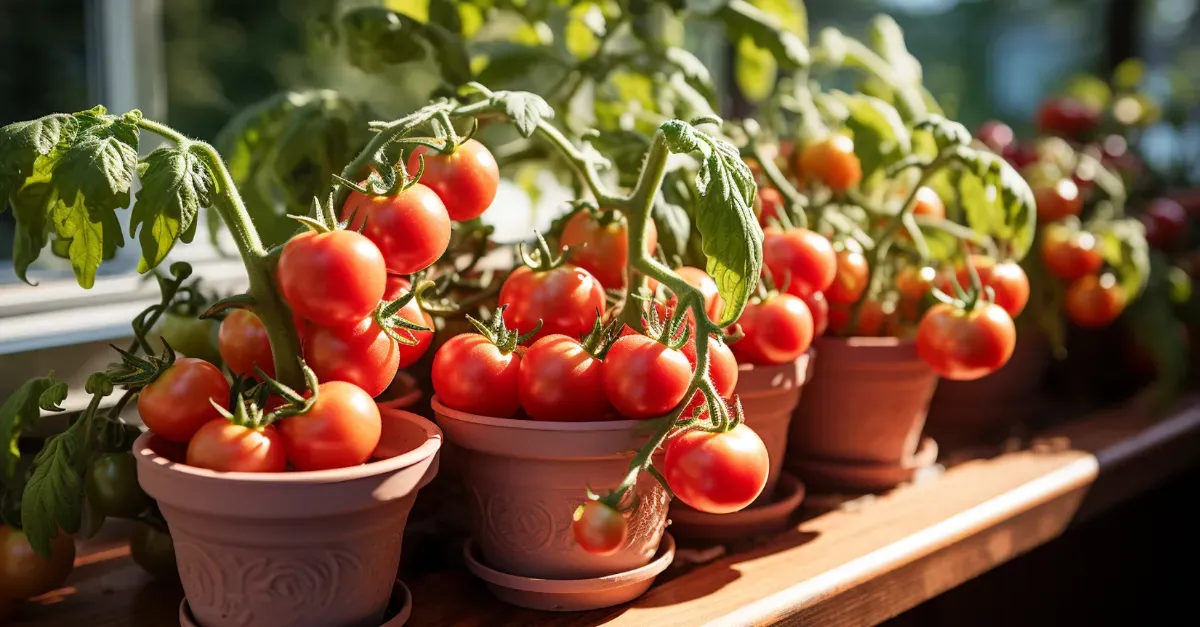
  • Tomatoes: You can grow compact varieties of tomatoes in pots or boxes.
  • Peppers and chillies: These too can be grown in containers.

5. Grow sustainably

An organic vegetable garden in the city should follow sustainable growing practices. Absolutely avoid chemical pesticides and artificial fertilisers. Use only organic fertilisers. Practise crop rotation to improve soil fertility. Responsible watering is essential to avoid wasting water.

6. Experiment and learn

A city garden can be a rewarding experience, but it is also a learning process. Experiment with different crops and growing methods, and find out what works best for you. As well as reading books and websites on organic gardening, our advice is to join local gardening communities to share experiences and knowledge.

If you follow these few basic rules, you will be able to create an organic vegetable garden in the city. Doing so can be a wonderful way to connect with nature and enjoy healthy, sustainable food. With the right location, equipment and knowledge, you can begin your journey into urban agriculture and successfully grow your own organic vegetables.

Machine translation

Rispettiamo la tua privacy

Usando questo sito, noi e i fornitori terzi indicati nelle preferenze possiamo utilizzare cookie e tecnologie simili per i seguenti scopi:

  • Necessari: Funzioni di base: sicurezza, sessione e memorizzazione delle tue scelte.
  • Servizi esterni: Contenuti incorporati di terze parti, come i video. Si caricano solo se li autorizzi: a quel punto il fornitore riceve il tuo indirizzo IP e può usare cookie propri.

Solo i cookie necessari sono attivi senza consenso. Alcuni fornitori possono trasferire dati fuori dall'UE. Puoi modificare le scelte in qualsiasi momento dal collegamento «Modifica privacy» in fondo alla pagina; chiudendo con la X continui con i soli cookie necessari.

Personalizza