With the shadow of climate change growing ever darker and an urgent need for concrete action to tackle environmental challenges, green parties in Europe are emerging as key players in the political debate. The continent is witnessing a steadily growing green tide, with parties such as ‘Die Grünen’ in Germany, the ‘Green Party’ in Ireland and ‘Europe Écologie Les Verts’ in France. In this context, the question arises naturally: what role will the green parties play in the 2024 European elections?
In Italy, the green parties have not achieved the same results. We have already explored this issue in an interview with Prof. Panarari, to which we refer: https://www.greentomeet.com/massimiliano-panarari-i-partiti-verdi/
The green party with the most votes in Europe is ‘Die Grünen’ in Germany, which won around 20% of the vote in the 2019 European elections, becoming the country’s second-largest party.
Show moreShow less
The party has its roots in the social and environmental movements of the 1970s. Founded in 1980, it was born from the merger of several ecologist and pacifist organisations that joined forces to transform German politics.
The path to parliamentary representation only came to fruition in 1983, when they managed to elect their first member of parliament, marking a significant milestone. However, the turning point came in 1987, when the Chernobyl nuclear accident and the fight against deforestation catalysed unprecedented support. In that year’s parliamentary elections, the party reached a remarkable 8.3% of the vote, underlining growing concern over environmental issues.
The 1990s were a crucial period in the history of ‘Die Grünen’. Under the leadership of Joschka Fischer, who played a decisive role in transforming the party from a protest movement into a relevant political force, the Greens consolidated their position in German politics.
In 1990, the Green Party won a significant victory in the elections in Hesse, consolidating its role in political institutions. Its participation in the federal government in 1998, in coalition with the Social Democratic Party (SPD), marked a historic moment. Joschka Fischer became Foreign Minister, a highly prominent post that confirmed the party’s political weight.
During this period, the Greens tackled crucial environmental issues, focusing on sustainability policies and the fight against climate change. Their presence in the federal government gave impetus to green initiatives, pushing for environmentally oriented laws and policies.
However, taking part in government also led to internal tensions and adaptation to mainstream politics. Some party members criticised the compromise with realpolitik, testing the balance between environmentalist principles and governmental responsibility.
The 2000s were a period of consolidation and reflection for the party. During this time the German Green Party adapted to the changing needs of civil society. The global challenges of the twenty-first century demanded a broader response, going beyond the environmental sphere and encompassing social issues of growing importance, and the party showed its capacity for adaptation by opening up to new generations of politicians, making room for innovative ideas and widening its scope.
In 2022, new leaders were elected; traditionally, the party is led by a dual leadership, made up of Ricarda Lang and Omid Nouripour.
According to the party’s official biography, available at https://www.gruene.de/leute/ricarda-lang, Ricarda was born in Filderstadt in 1994, which makes her the youngest leader in the party’s history. She joined the party in 2012, at the age of 18, and has held various positions, including co-spokesperson of Green Youth from 2017 to 2019 and co-deputy leader of the party and spokesperson for women’s policy from 2019 to 2021.
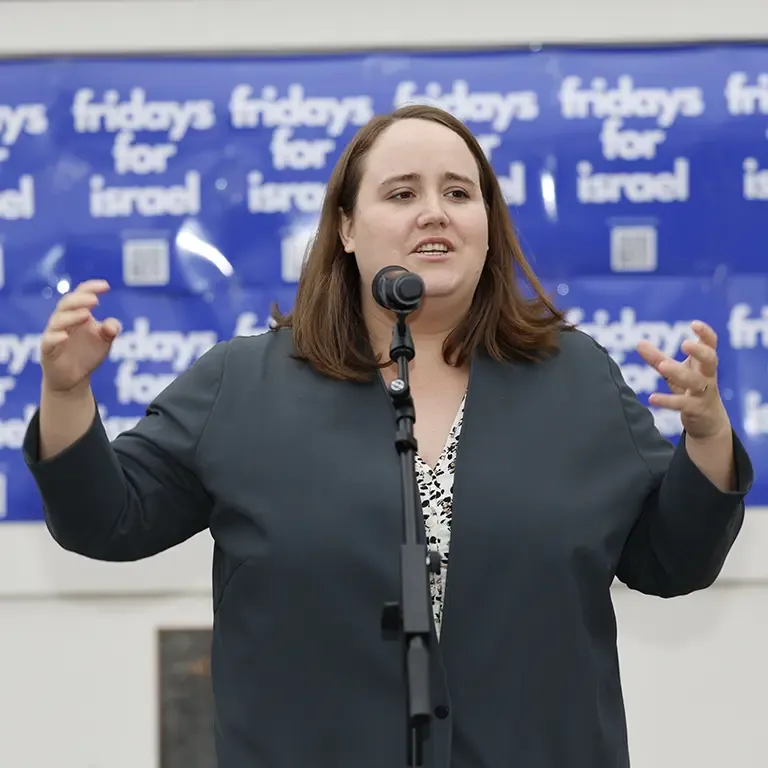
wikipedia.org -Ricarda Lang bei Fridays for Israel, Humboldt Uni (2023)
Ricarda Lang is regarded as a representative of the party’s left wing, with a particular focus on social justice and climate policy. She actively supports feminism, body positivity and queer politics. In her political positions, Lang is critical of individualist approaches to policy, instead favouring the need to address structural change in order to fight climate change and other social issues.
Her biography reveals that her mother was a single parent and worked in a women’s refuge. In this regard, Lang says: ‘I know what it means to struggle to make ends meet despite working long hours and being socially relevant.’ This statement confirms her strong sensitivity not only to environmental issues, but also to social ones.
Omid Nouripour, according to his official biography available at https://www.gruene.de/leute/omid-nouripour, grew up in Iran. His family moved to Frankfurt, Germany, when Omid was about 13 years old.
Nouripour’s involvement in politics began with the Green youth party and subsequently led to his election to the Bundestag (the German Parliament) in 2006. His political work has focused mainly on foreign policy, defence and security.
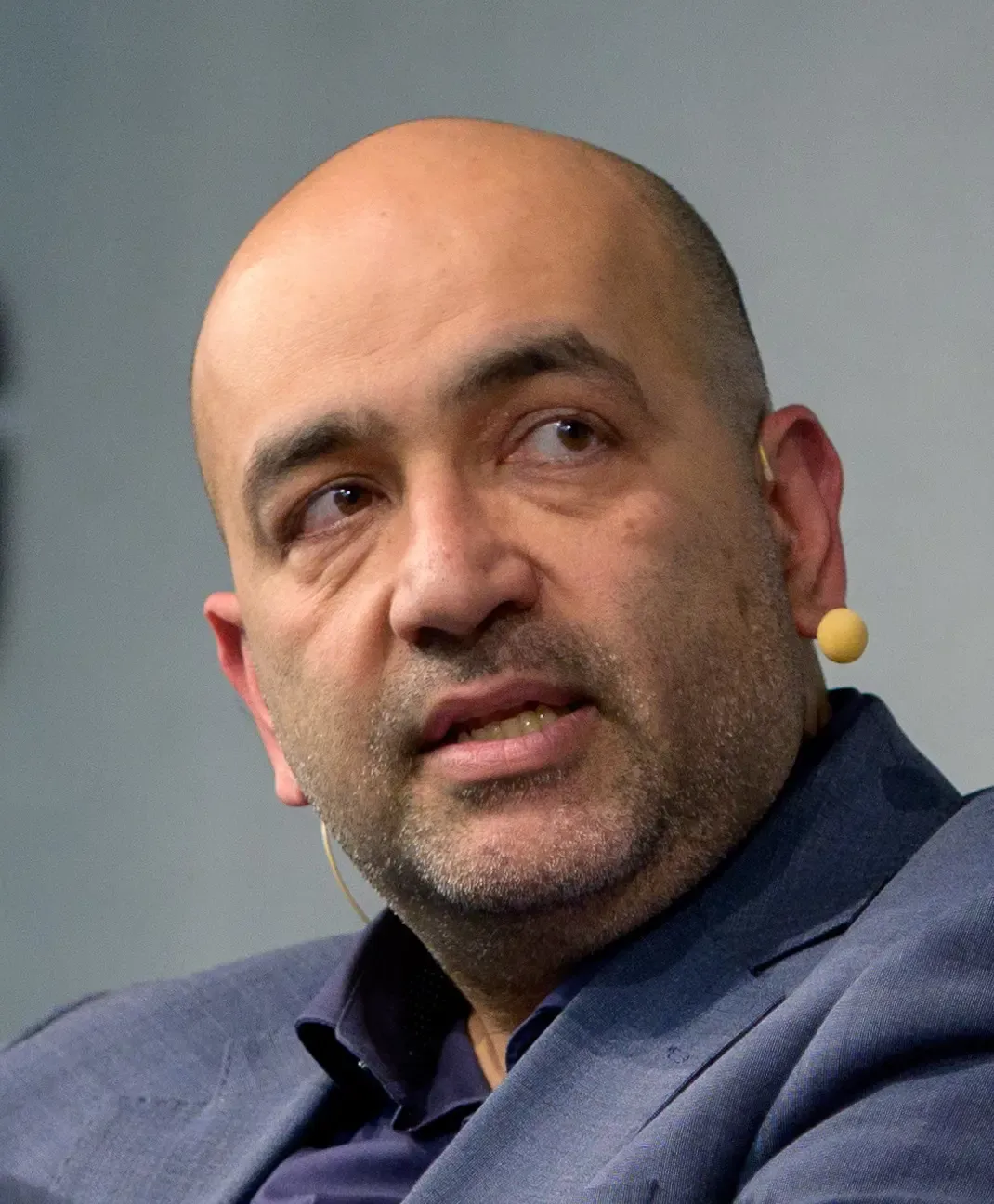
Omid Nouripour (Foreign Policy Spokesperson, Alliance 90 / the Greens, Berlin) Photo: Stephan Röhl - wikipedia.org
A significant moment in his career was his appointment as spokesperson of the Green parliamentary group for foreign affairs. In this role, Nouripour dealt with crucial issues, including German participation in international missions and the management of global crises.
The German Green Party stands out on the European political scene, positioning itself at the centre of growing environmental and social awareness. Its success is, in all likelihood, the fruit of a long and committed history and of an ability to adapt to the changing priorities of German public opinion.
The 2024 European elections are the imminent, crucial event for all European green parties, which will be called upon not only to embody environmentalist ideals, but also to navigate the complex waters of realpolitik.