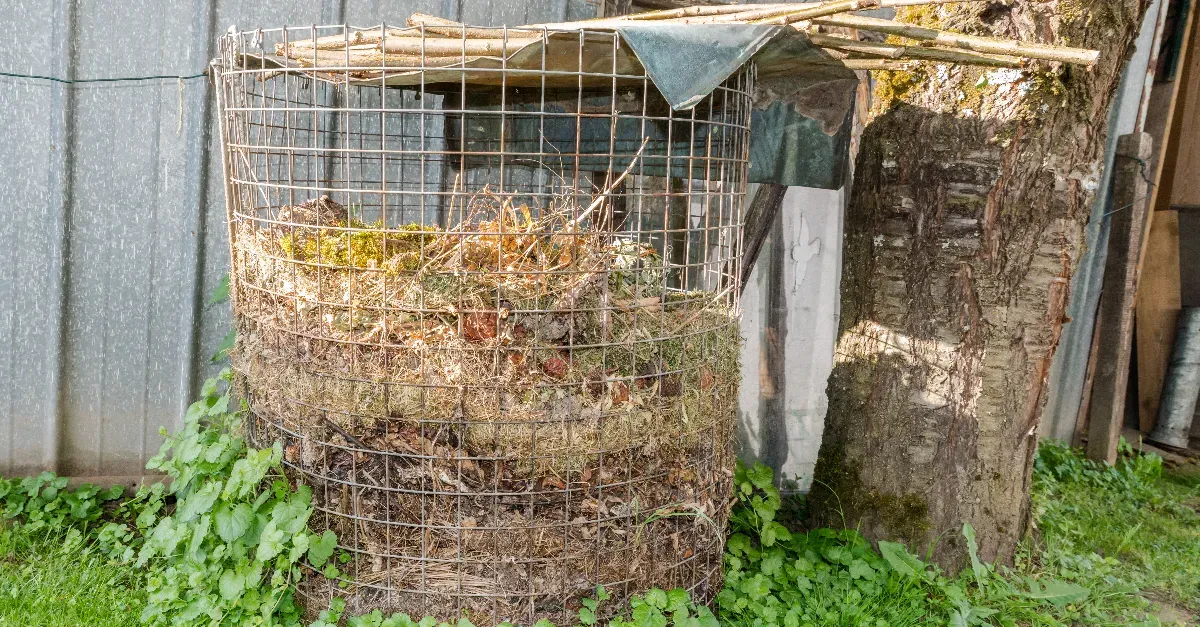
Composting is a practical and sustainable solution for reducing waste in the environment and conserving resources. Not only does it reduce the amount of waste sent to landfill, but it also helps to create a soil rich in nutrients that can be used in gardens and other areas. By returning organic material to the soil, composting in effect creates a cycle of sustainability. It is a simple process that anyone can carry out, and it can be put into practice both at home and as part of larger community composting projects. Composting is also an excellent way to reduce our environmental impact and help create a healthier planet.
How the process works
Food scraps, garden waste and other materials are collected and placed in what is known as a compost heap. Heaps can be created in a wide variety of ways: on site, in a traditional container or in a compost bin. Once the waste materials have been added to the compost heap, they are turned and watered periodically. The time needed to produce compost varies depending on the conditions, such as the type of waste and the environmental characteristics of the area. When the compost is finished, it is ready to be used in gardens or other areas. Compost is rich in nutrients that are essential for the health of plants.