Today is monday 9 november 2026
Webzine of ecological news

Practical ecology · Gardening

Composting and sustainability: a practical solution that is good for the vegetable garden.

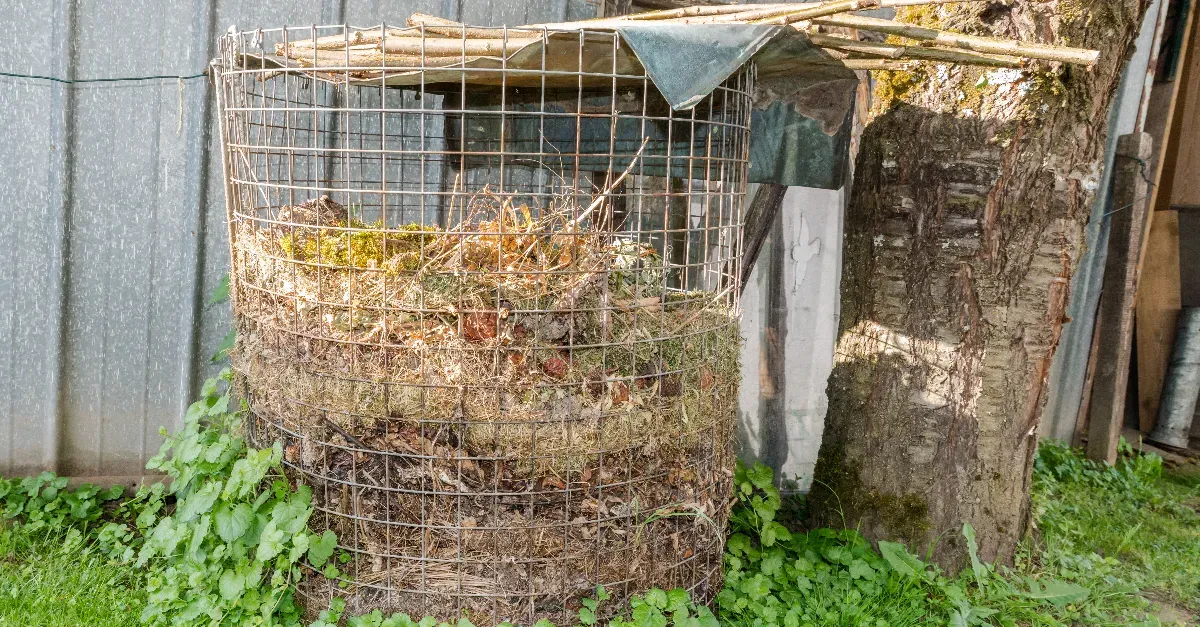
Composting is a practical and sustainable solution for reducing waste in the environment and conserving resources, as well as a useful fertiliser for your vegetable garden

[stgrafix] © 123RF.com

Composting is a practical and sustainable solution for reducing waste in the environment and conserving resources. Not only does it reduce the amount of waste sent to landfill, but it also helps to create a soil rich in nutrients that can be used in gardens and other areas. By returning organic material to the soil, composting in effect creates a cycle of sustainability. It is a simple process that anyone can carry out, and it can be put into practice both at home and as part of larger community composting projects. Composting is also an excellent way to reduce our environmental impact and help create a healthier planet.

How the process works

Food scraps, garden waste and other materials are collected and placed in what is known as a compost heap. Heaps can be created in a wide variety of ways: on site, in a traditional container or in a compost bin. Once the waste materials have been added to the compost heap, they are turned and watered periodically. The time needed to produce compost varies depending on the conditions, such as the type of waste and the environmental characteristics of the area. When the compost is finished, it is ready to be used in gardens or other areas. Compost is rich in nutrients that are essential for the health of plants.


Show more Show less

Composting for the home vegetable garden

Composting can be done on a small scale to help feed your home garden: the fertiliser obtained can be added to the garden to provide nutrients for growing plants. The compost can also be used as a substitute for potting soil in pots. The equipment needed to make it is, as already mentioned, basic and easy to find: all you need is a bin or a structure made of wood or unfinished concrete blocks. A heap is the simplest way to make compost, while a bin gives the heap more structure and helps to control heat and air flow.

Composting for community projects

They are an efficient way of allowing a large number of people to compost their organic materials. - Community compost piles - Compost piles are a simple way to compost in a community, but they need space and sometimes more ‘substantial’ structures.

Composting tips

- Start small - There is no perfect recipe for composting, so don’t get too caught up in the details. Start composting on a small scale and see what works for your needs. - Make sure you have the right materials: waste such as banana peels and coffee grounds is excellent, while items such as glass and plastic must not be put on the heap. Waste needs time to decompose and turn into nutrient-rich soil. It can take weeks or months, depending on the materials and conditions. Make sure you plan your composting appropriately and turn it to help it break down properly.

Composting and sustainability

In conclusion, composting is a sustainable and practical way to reduce waste in the environment. It turns organic materials such as food scraps, prunings and plant stalks into compost that can be used in agriculture, thus creating a valuable resource that can be used to grow plants in place of chemical fertilisers.

Composting also helps to reduce the amount of methane produced in landfills through the process of anaerobic decomposition, which does not require oxygen. It is therefore an excellent way to reduce our environmental impact, help create a healthier planet and cut emissions. When composting is done correctly, it does not give off bad smells as the materials decompose. It is a simple process that is accessible to everyone, and it can be carried out at home or as part of a larger-scale community composting project.

Machine translation

We respect your privacy

When you use this site, we and the third-party providers listed in the preferences may use cookies and similar technologies for the following purposes:

  • Necessary: Core functions: security, session and storing your choices.
  • External services: Embedded third-party content such as videos. It only loads if you allow it: the provider then receives your IP address and may set cookies of its own.

Only necessary cookies are active without consent. Some providers may transfer data outside the EU. You can change your choices at any time from the «Privacy settings» link at the bottom of the page; closing with the X continues with necessary cookies only.

Customise