Today is monday 9 november 2026
Webzine of ecological news

Climate emergency · Science and research · Science communication

Bacterium that ‘eats’ CO2 discovered

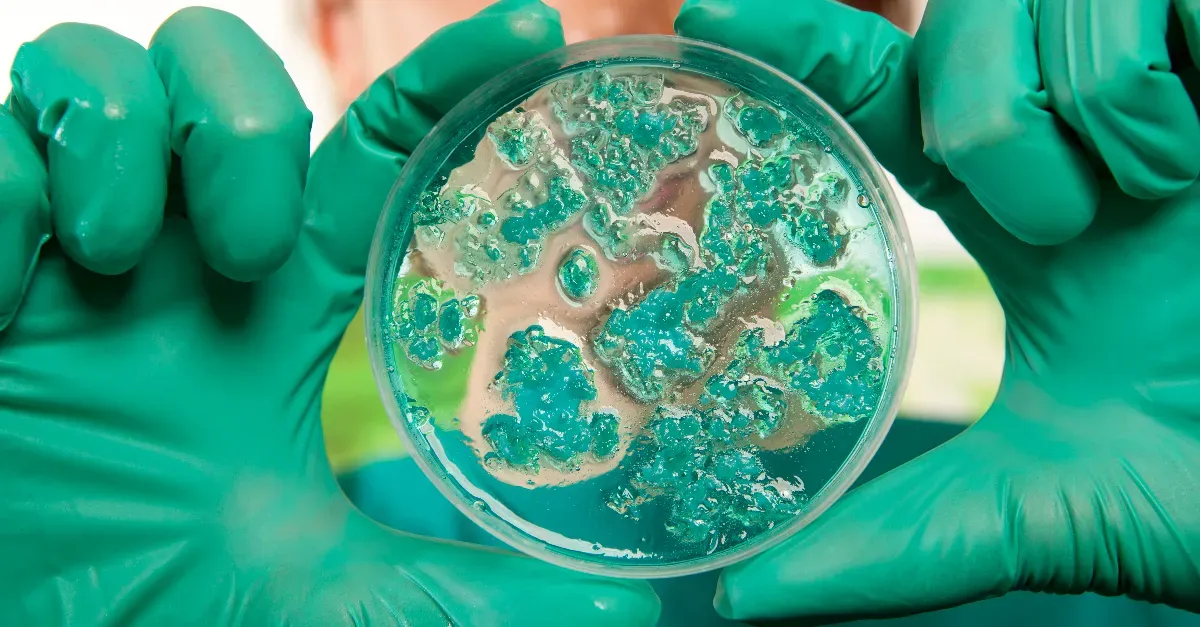
‘A volcanic microbe eats CO2 surprisingly fast’, say scientists. The discovery of carbon-capturing organisms could help in the fight against global warming.

[andreyuu] © 123RF.com

The discovery is a remarkable one, at least for anyone who does not work professionally in microbiology and does not normally deal with bacteria and microorganisms.
A microbe found in a volcanic hot spring is able to devour carbon dioxide. Not only that: it does so with extraordinary speed and efficiency.

It is a cyanobacterium, one of those photosynthetic bacteria formerly (improperly) called blue algae, blue-green algae or cyanophyceae, which are widespread in marine, freshwater and terrestrial environments.

Our ‘carbon-dioxide-eating’ bacterium was discovered in September in the Mediterranean, in volcanic seeps near the island of Vulcano. This is a marine area with a high concentration of CO2. The researchers established that the microorganism can convert CO2 into biomass faster than any other known cyanobacterium.

Scientists are now trying to understand whether and how microbes arising from natural evolution can be used to absorb CO2 outside the environments in which these organisms developed and live.


Show more Show less

This is an essentially new field of research, and one of considerable interest in the challenge of finding effective methods – even better if they come from nature itself – to reduce greenhouse gases in the atmosphere.
In the case of bacteria, moreover, combining microbiology with genetic engineering could produce great results.
Suitably modified bacteria, besides trapping CO2, could also perform other functions, such as producing useful chemicals: for example biofuels, pharmaceutical compounds or bioplastics.

In fact, in this field we are not exactly at year zero. There are already companies, such as the US-based LanzaTech, that are able to use bacteria to convert CO2 into commercial fuels and chemical products.

Elon Musk could not be missing from the roll call either: with CyanoCapture, a British company set up by the Tesla magnate together with Shell, he is exploiting cyanobacteria to produce biomass and biological oils.

And the horizon of research widens by the day. Recent is the discovery of some bacteria found in caves that can turn CO2 into minerals. Other scientists aim to use bacteria to reduce CO2 emissions from cement production. The way is open.

Machine translation

Rispettiamo la tua privacy

Usando questo sito, noi e i fornitori terzi indicati nelle preferenze possiamo utilizzare cookie e tecnologie simili per i seguenti scopi:

  • Necessari: Funzioni di base: sicurezza, sessione e memorizzazione delle tue scelte.
  • Servizi esterni: Contenuti incorporati di terze parti, come i video. Si caricano solo se li autorizzi: a quel punto il fornitore riceve il tuo indirizzo IP e può usare cookie propri.

Solo i cookie necessari sono attivi senza consenso. Alcuni fornitori possono trasferire dati fuori dall'UE. Puoi modificare le scelte in qualsiasi momento dal collegamento «Modifica privacy» in fondo alla pagina; chiudendo con la X continui con i soli cookie necessari.

Personalizza