The discovery is a remarkable one, at least for anyone who does not work professionally in microbiology and does not normally deal with bacteria and microorganisms.
A microbe found in a volcanic hot spring is able to devour carbon dioxide. Not only that: it does so with extraordinary speed and efficiency.
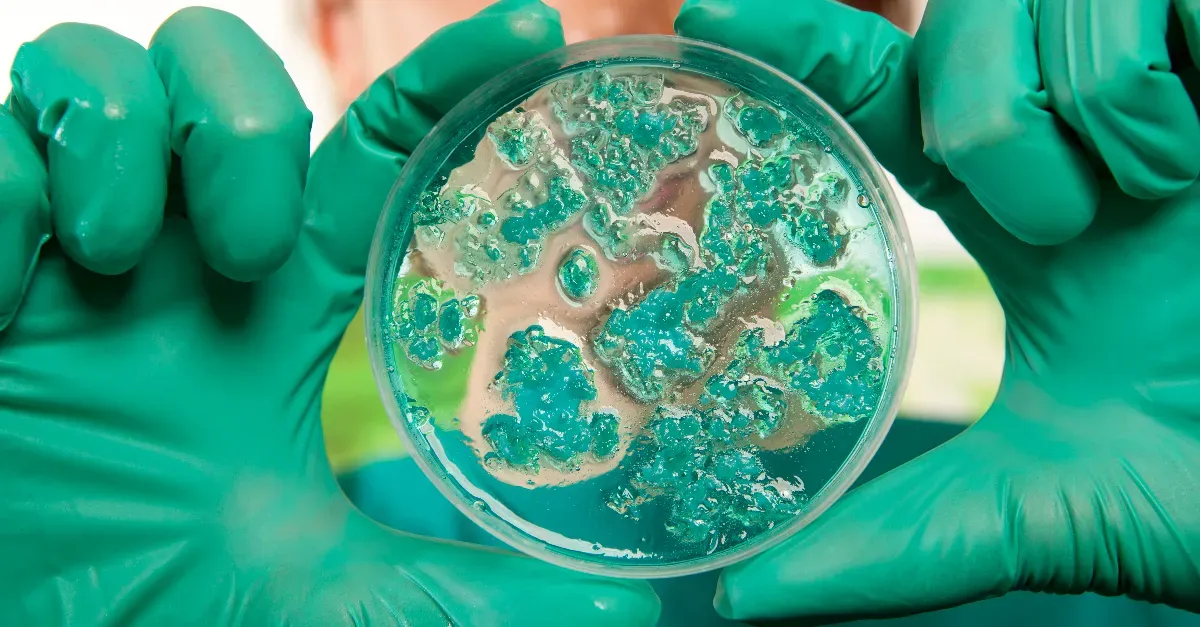
It is a cyanobacterium, one of those photosynthetic bacteria formerly (improperly) called blue algae, blue-green algae or cyanophyceae, which are widespread in marine, freshwater and terrestrial environments.
Our ‘carbon-dioxide-eating’ bacterium was discovered in September in the Mediterranean, in volcanic seeps near the island of Vulcano. This is a marine area with a high concentration of CO2. The researchers established that the microorganism can convert CO2 into biomass faster than any other known cyanobacterium.
Scientists are now trying to understand whether and how microbes arising from natural evolution can be used to absorb CO2 outside the environments in which these organisms developed and live.