People often wonder what practical solutions there might be to the consumption of soil and water in the agricultural sector. In this regard, there is an innovative practice that is revolutionising the way we could grow our future food. It is called aquaponics, and perhaps many people have never even heard of it. It is a system that combines the hydroponic cultivation of plants with the farming of fish in tanks. The two environments are linked by a closed water cycle, allowing the plants to receive nutrients from the fish waste and the fish to live in a clean environment thanks to the plant roots, which filter the water.
It is a technology in full development and, according to experts, one with considerable potential, because it allows not only soil to be saved but also the use of inert built-up areas, such as terraces or balconies, to create self-sufficient urban gardens and farms. But let us take it point by point.
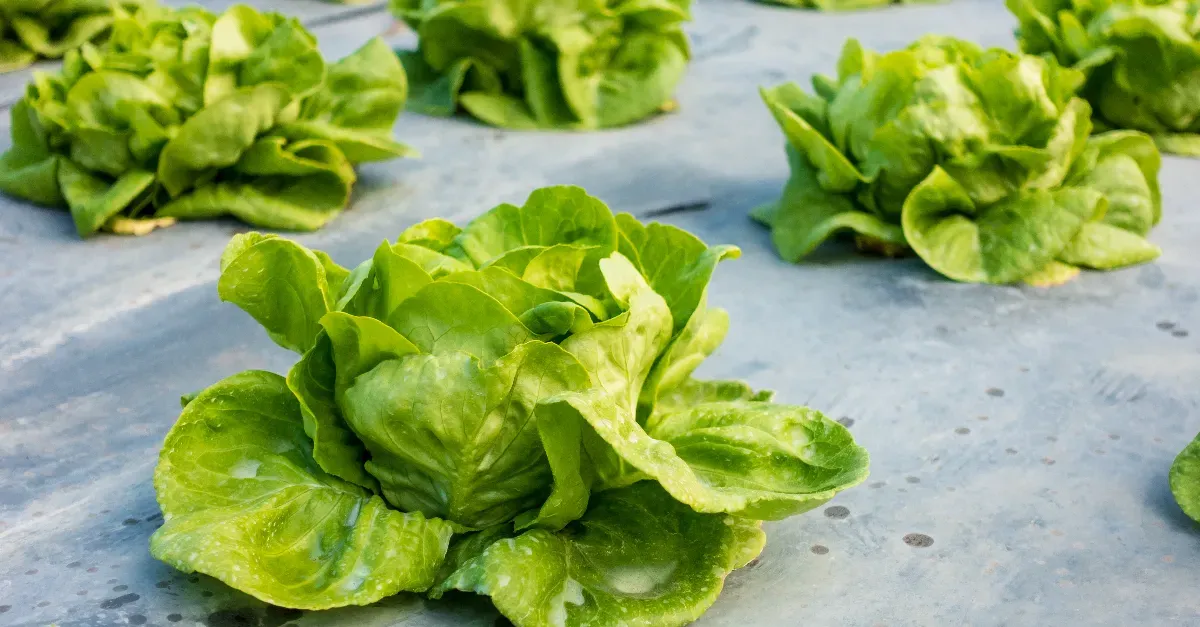
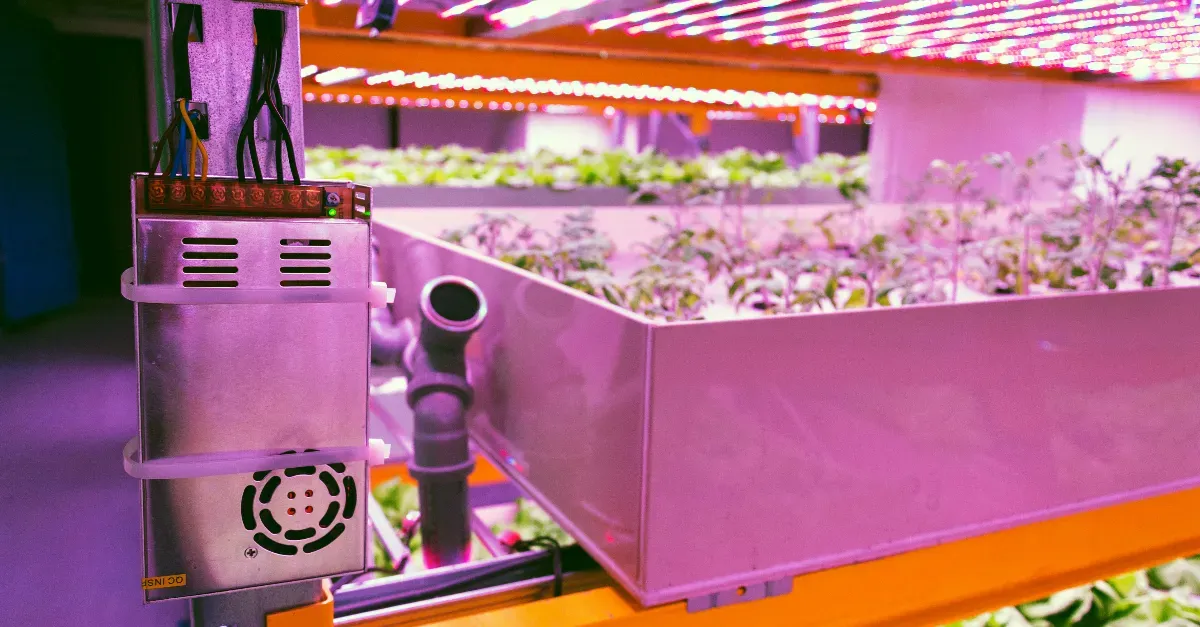
Although the technology is very ancient, it was only in the 1970s that studies began on what we might call modern aquaponics. We then had to wait until the 1980s to see the first significant applications. But how does it work? Essentially, the water used for the fish is channelled into a growing tank where the plants are immersed in nutrient-rich water. The nutrients are the fish waste itself. This process creates a perfect symbiotic environment between the plants, the fish and the bacteria: the plants absorb the essential macronutrients and micronutrients present in the water, produced by the fish waste, thus purifying the habitat of our aquatic friends and providing the plants with all the nutrients they need to grow, while creating a virtuous circle. In this way, not only is the waste of water resources avoided, but the consumption of land is also reduced, thanks to the closed system of the plant. Through fish farming we naturally obtain the nutrients the plants need, and they are grown hydroponically (that is, with a soilless cultivation technique, in which soil is replaced by an inert substrate). This description is certainly a simplification of a rather complex process, as the water at the base of the system requires careful control to achieve results; other fundamental parameters are also involved, such as oxygen, pH, nitrogen in the water and the hardness of the water itself.
Saving soil and saving water
Thanks to this technology, agricultural land can be preserved, since most of the plants are grown hydroponically in tanks of water. This significantly reduces the environmental impact caused by traditional cultivation, such as deforestation and soil erosion.
Since this method does not require large quantities of water to irrigate the soil around the plants, as traditional agriculture does, a considerable waste of this natural resource is also avoided. Aquaponics therefore seems to represent a sustainable and ecological solution for meeting the food needs of the world’s population without compromising the integrity of our planet.
Use of built-up areas and business opportunities
Another significant advantage is the possibility of using built-up areas. There are vast urban areas with terraces and roofs that would lend themselves to this type of cultivation. In recent years, entrepreneurs, especially outside Italy, have exploited this solution to create, for example, restaurants on top of buildings that produce their own vegetables, with a double benefit: protecting the environment and marketing.
The forerunner of such restaurants, born in San Francisco, now seems to have closed for good; others, however, are opening. In Italy, interesting businesses are emerging in the production of high-value-added foods for private customers and the restaurant trade. Given these premises, we can only hope that activities around this system develop further. Wider adoption will allow the technique to develop ever more, making it increasingly safe and established, and probably less expensive as well. With wider adoption, however, control systems will also be needed to certify best practices, since we are talking about food products. Challenges such as a steep learning curve, which requires a solid knowledge of the organisms involved (fish, plants and bacteria), could also be overcome. This could happen as the subject becomes more widely known, including in the public school system (above all in agricultural technical institutes). Some issues that could affect environmental sustainability will also need to be clarified: for example, the high energy demand needed to maintain the necessary temperatures. The idea of decoupling the two technologies is also interesting, since aquaponics is the sum of two systems: tank fish farming and hydroponic cultivation.