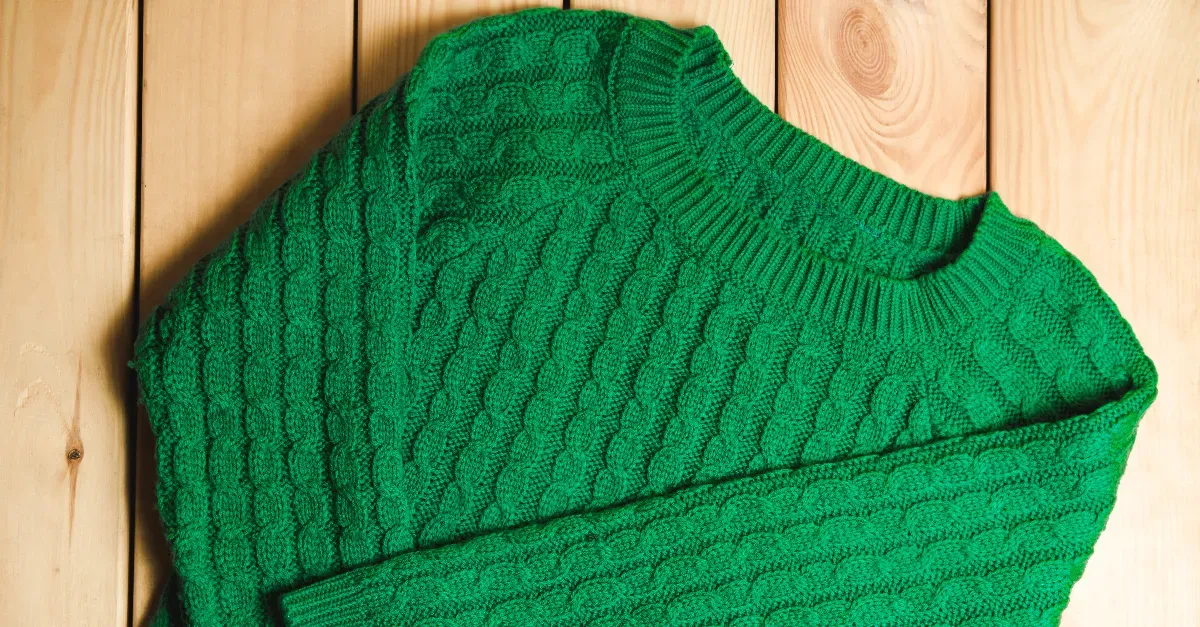
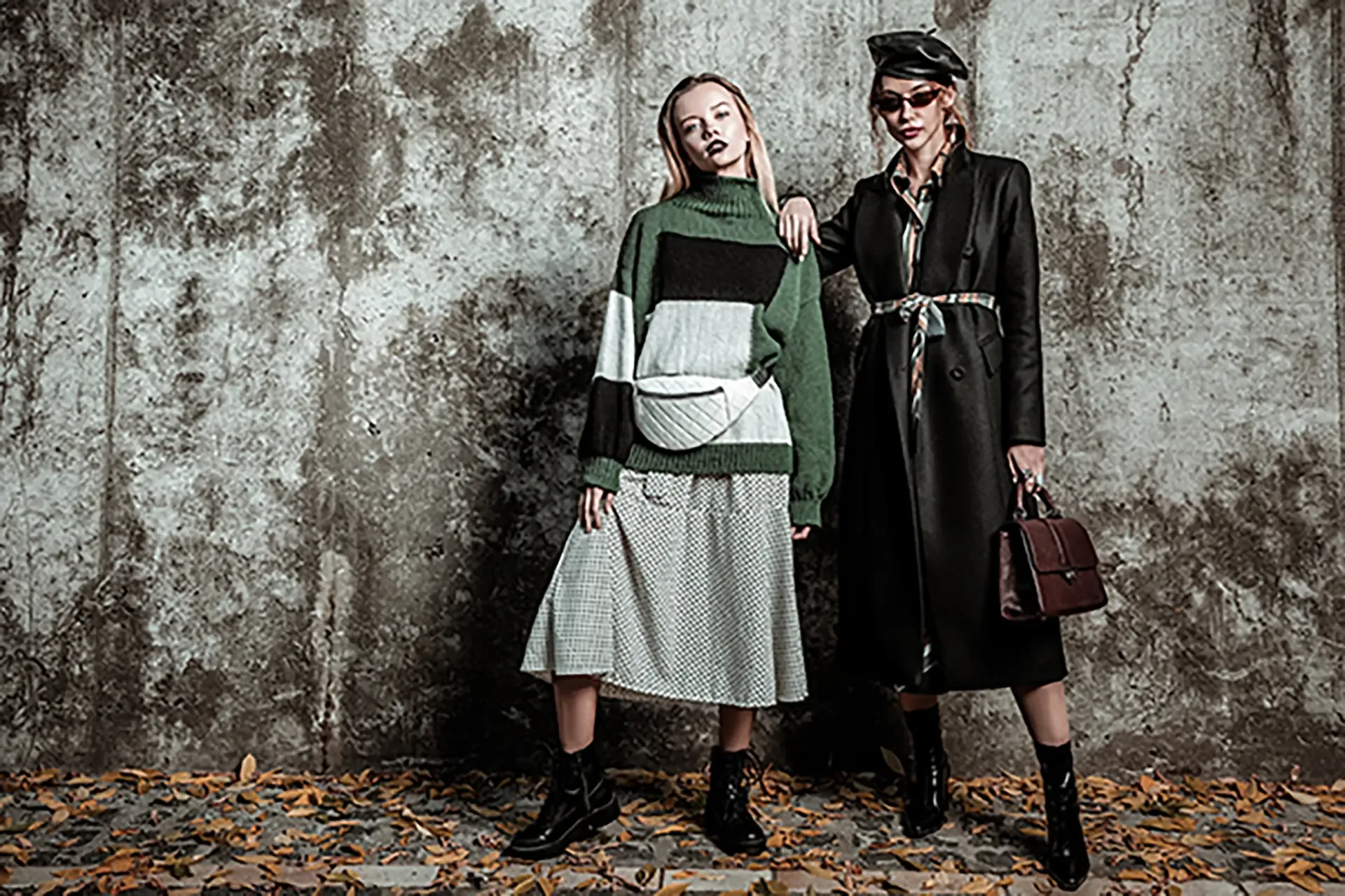
Woollen clothes are an excellent choice for many people, particularly those who suffer from allergies or intolerances. Wool is also a breathable material, so it is perfect for those who sweat easily or have sensitive skin. In addition, woollen clothes are generally more resistant to tears and abrasion than clothes made of other materials.
3. Wool keeps you warm without holding on to bad odours
Woollen clothes keep you warm and do not hold on to bad odours. Wool is a breathable material, so it does not retain sweat and bad odours the way synthetic garments do. Woollen garments can be washed less often, which means they can be used for longer and consume less water and energy. They are also naturally antistatic, so you will no longer have to worry about static electricity in your hair.
4. It is better to buy woollen clothes from small artisans
The advantage of buying woollen clothes from small artisans is that you can be sure the products are made with high-quality materials, perhaps sourced from local pastures. In addition, these artisans often have a great knowledge of the different types of wool and will be able to recommend the perfect garment.
Small artisans who sell woollen clothes generally have their own workshops, but they can also be found at local markets or in specialist shops.
Not only do they offer quality products, they also give personalised advice and even the possibility of adapting the garments to your body.
Buying from a small artisan is certainly a choice that is good for the environment (as they are not involved in polluting industrial processes) and for the economy of small businesses.
4. Wool is easy to dispose of
Wool is a natural material produced by animals, so it does not contain microplastics if it has been processed without additives of various kinds. In addition, wool is biodegradable, which means it can be easily disposed of without polluting the environment.
In recent years, awareness of the environmental impact of their production process has grown among wool producers. Many of them are committed to minimising the use of chemicals. In addition, some producers use eco-friendly techniques for producing wool, such as recycling textile waste.