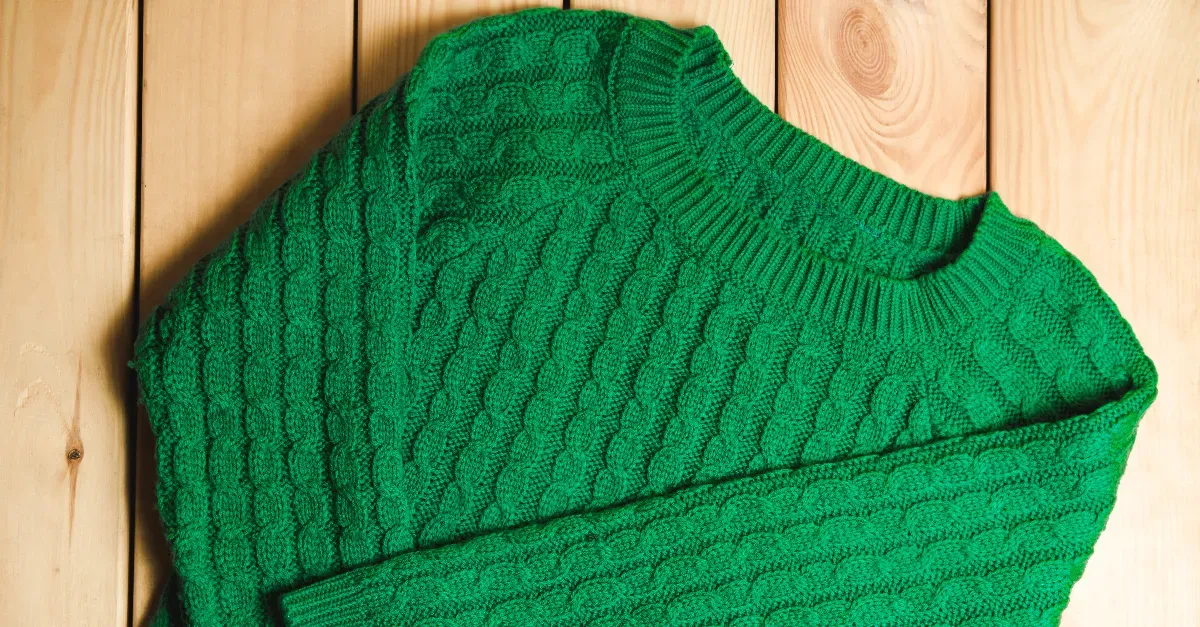
There are many eco-sustainable fabrics. As well as being produced responsibly, in line with environmental sustainability standards, these materials tend to have a short supply chain, which makes it possible to trace the origin of raw materials and ensure decent working conditions.
Besides responsible production, eco-friendly fabrics offer aesthetic and functional advantages. The prejudice that garments made from sustainable materials are not attractive or comfortable to wear still persists. Now new technologies have enabled the development of high-performance fabrics that guarantee comfort and elegance without harming the environment.
Among the materials most commonly used in sustainable fashion are organic cotton, grown without pesticides harmful to the environment; vegetable silk obtained from plants such as the banana or the pine; bamboo fibre, as mentioned, which grows quickly without the need for chemical pesticides; and recycled polyester derived from plastic bottles.
Technology can play a fundamental role in transforming the sector into a greener one, including through the use of artificial intelligence: AI could help optimise production processes by reducing energy waste.
Fashion and the 2030 Agenda: focus on industrial innovation
Italy, a country with a long-standing tradition in fashion, how is it tackling the challenge of sustainability?
In fact, in recent years, more and more Italian brands have been committing to creating eco-friendly collections.
There are already several websites and portals that promote and provide information on Italian companies producing sustainable fashion. One of them is:
https://www.vestilanatura.it/top-10-brand-moda-sostenibile-italiana/
which offers us a “list” of the top 10 Italian sustainable fashion brands. Worth bearing in mind.
How to redesign all activities from a circular perspective
The circular approach involves minimising the use of resources, reusing materials and recycling the waste produced during production. This reduces environmental impact and creates a more balanced and eco-sustainable system.
To implement this vision successfully, it is not enough for companies in the sector to adopt new production processes that encourage the recycling of materials, promote the local economy and minimise energy waste.
It is also important to involve all the players in the supply chain, right up to the end consumers. Encouraging consumers to make responsible choices when buying clothes is crucial for truly sustainable fashion.
Numbers and surveys
Sustainable fashion is gaining ground in the fashion sector, and the numbers confirm it. According to recent surveys, more and more consumers are looking for ecological and responsible clothing. The figures speak for themselves: the global sustainable fashion market is set to reach 12.5 billion euros by 2030.
Statistics show that the trend is growing in our country too: most Italians say they prefer to buy locally made products made from recycled or biodegradable materials. Whether they actually do so is perhaps a step yet to come: but the premises are encouraging.
The network
In the world of green fashion, collaboration and knowledge sharing are fundamental to promoting positive change: and this is exactly where the concept of the “network” comes into play. Companies, industry experts, non-governmental organisations and even consumers are joining forces to create a network of support and exchange of ideas.
Through the network, people can connect with one another and work together to develop new sustainable solutions. This collaboration can lead to technological innovations, more efficient and eco-friendly production processes, recyclable materials and much more. It allows companies to learn from others’ mistakes and adopt better practices in the way they operate.
The network is not only about companies: consumers can also take an active part. By sharing information about conscious purchasing and choosing sustainable brands, consumers can directly influence the fashion industry towards greater environmental responsibility: the challenge is on.