After founding Plum Village in France, which became the largest Buddhist monastery in Europe as well as a destination for many ‘lay’ practitioners who share seminars and retreats with the 200 monks of the community, Thich Nhat Hahn wrote many successful books: Peace Is Every Step and The Art of Living are perhaps the best known.
In 2008 Thich Nhat Hanh published The World We Have. A Buddhist Approach to Peace and Ecology (in Italian L'unico mondo che abbiamo).
A slim volume, as is the Vietnamese monk’s style, but one that stirred up considerable interest when it came out some fifteen years ago, at a time when the debate on the environment was certainly different from today’s. In it Thich Nhat Hanh offered a dramatic vision of the planet’s future, overheated by fossil fuels, degraded by massive overconsumption, overwhelmed by unsustainable population growth.
The novelty Hanh brought to the debate was a proposal that was both spiritual and practical. The possible solution to the crisis, Thay argues, lies entirely in the Buddhist teaching of the impermanence of all things. This spiritual, ethical and practical principle gives us the inner peace we need in order then to use our collective intelligence and technology to restore the Earth’s balance.
Mixing stimulating insights with effective strategies, in this book Thay describes the projects his own monastic community has undertaken to care for the environment, and which can serve as a model for any community or group sharing common interests. We thus discover that for years Plum Village has promoted a ‘No Car Day’, observed once a week, and that it has drawn up a ‘Peace Treaty with the Earth Pledge Sheet’.
The book is crowned by a beautiful (and rather surprising, for a monk, Buddhist or otherwise) speech by Thich Nhat Hanh delivered to the UNESCO assembly in October 2006, which set out, precisely, his proposal for a global ‘Car-Free Day’!
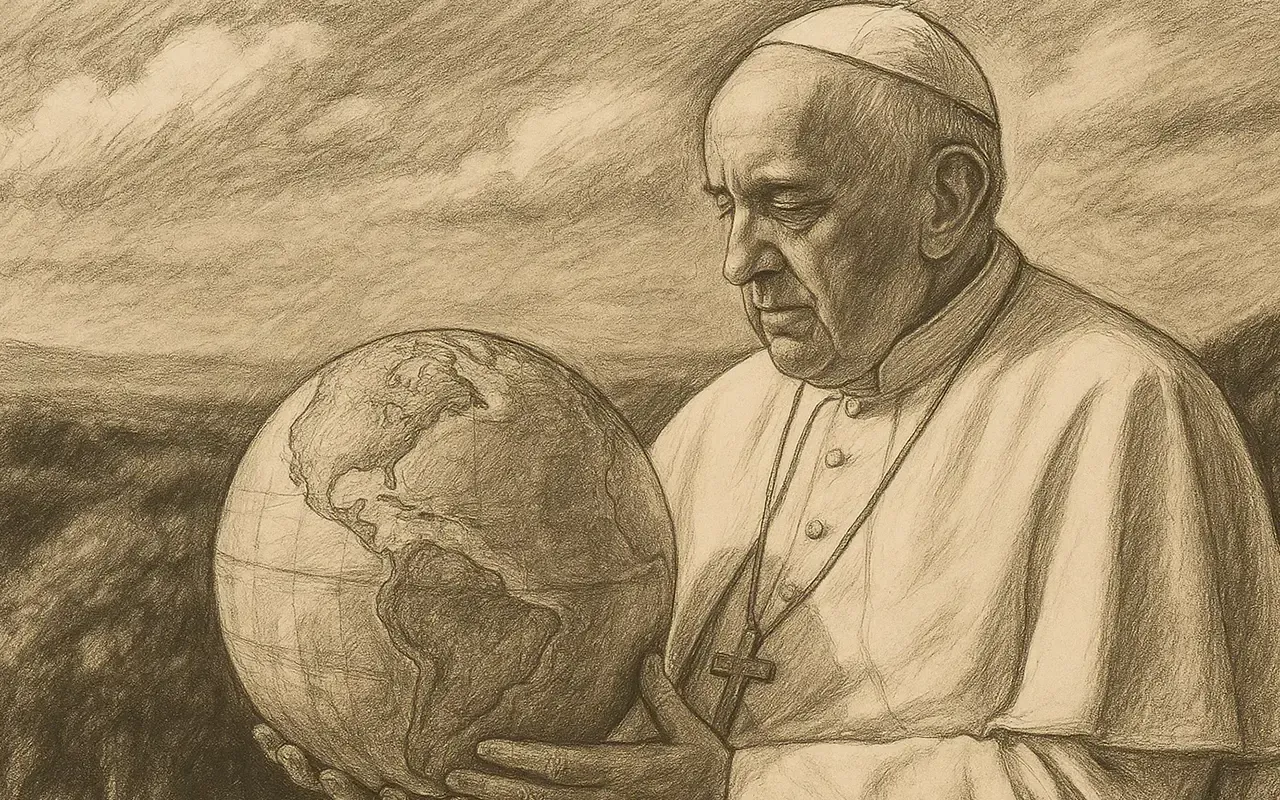
Another text that well expresses the Buddhist teacher’s whole commitment to the environmental tragedies of the millennium is A Love Letter to the Planet from 2012 (in Italian Lettera d’amore alla Madre Terra). Once again it is a short volume, of little more than a hundred pages. This time, as the splendid title suggests, what Thay launches is an appeal. A passionate appeal, shot through with a sense of loving urgency, addressed to all those who care about ‘the fate of our common home, and still believe in the possibility of building a serene future for our children and for all living species’.
In these pages too, the Vietnamese monk’s ‘doctrine’ is simple and clear. Salvation can come only through a veritable spiritual revolution, whose concrete steps Thay already lays out in the chapter headings: We Are the Earth. Healing Steps. Welcome Home. Expanding Our Power. Practices for Falling in Love with the Earth. A Love Letter to the Planet.
Again in The Bells of Mindfulness from 2013, an anthology of passages from Thich Nhat Hahn’s books and talks on the environment, the emphasis is placed on the key concept of Interbeing. ‘Everything, and each one of us, is connected to everything that exists and cannot exist separately’, says the monk, drawing on the foundations of Buddhist doctrine. It is in the name of this interbeing, then, that we cannot but feel the planet’s deep suffering as our own suffering, and share it fully and consciously.
‘When you wake up and see that the earth is not just the environment, that the earth is us, you touch the nature of interbeing. And at that moment you can have real communication with the Earth... We must wake up together. And if we wake up together, then we have a chance. Our way of living our lives and planning our future has brought us to this situation.
And now we must look deeply to find a way out, not just as individuals, but as a collectivity, as a species’.
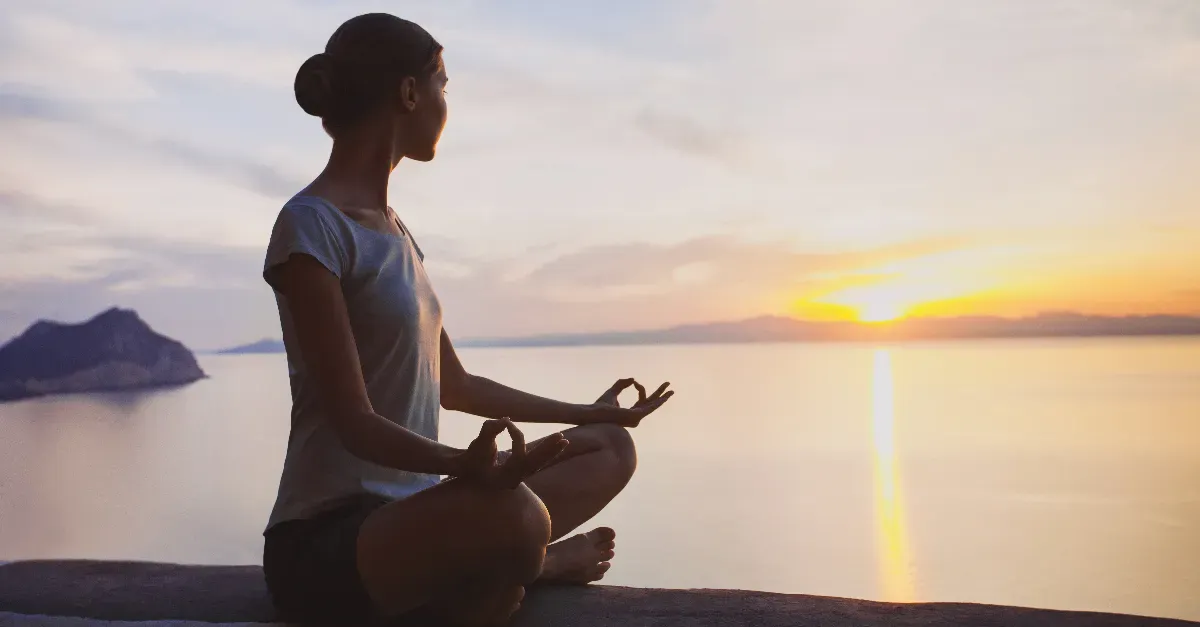
From this perspective, Zen can become, among many other things, the art of saving the planet, as the title of another of the monk’s books, published in 2022, puts it. An art based first of all on meditative practice, as the indispensable premise for bringing about the inner, personal change that underlies all subsequent changes in the outside world.
Changing the way we think, freeing ourselves from the notions that block our path, finding the truth and touching reality as it is. By abandoning old habits (first of all mental ones), we obtain, according to Thich Nhat Hahn, the insight and the energy we need to set out on the difficult road that leads to saving the planet – and ourselves along with it.