Today is monday 9 november 2026
Webzine of ecological news

Climate emergency · Glaciers

Melting glaciers can also thaw ancient bacteria

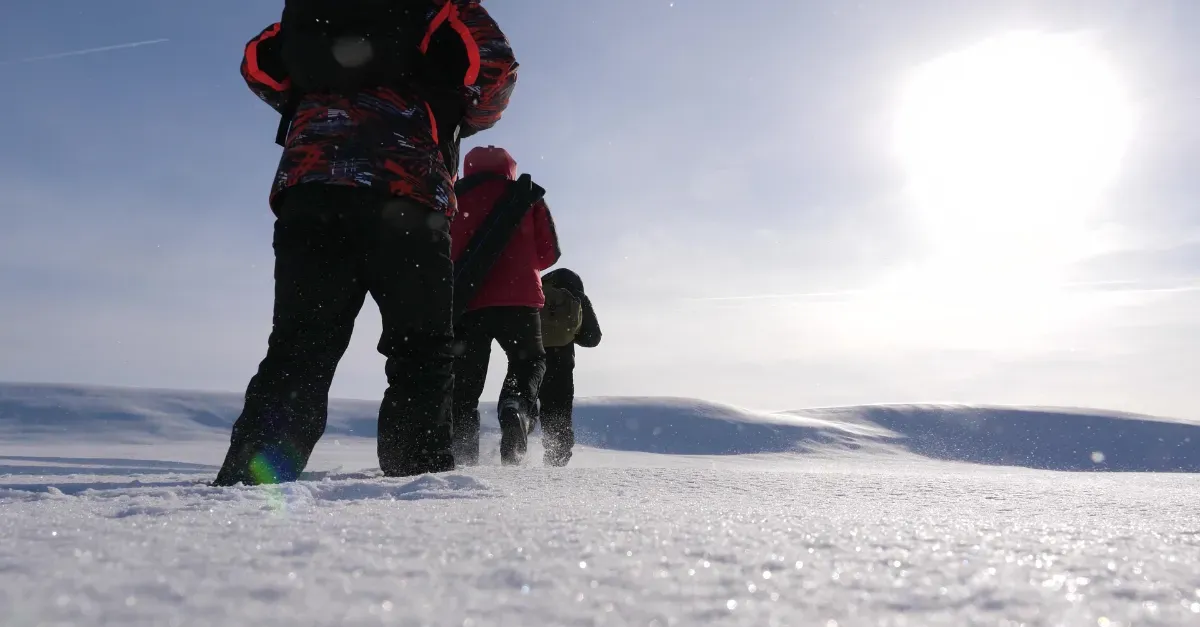
The glaciers on our planet are not just a source of fresh water, and their melting does not only bring the risk of rising sea levels: these great masses of ice can also preserve living organisms, bacteria and viruses for a long time.

[zoteva87] © 123RF.com]

Melting glaciers

The glaciers on our planet are not just a source of fresh water, and their melting does not only bring the risk of rising sea levels. These great masses of ice can also preserve living organisms, bacteria and viruses for a long time.

Global warming can cause new epidemics and pandemics

Global warming can cause new epidemics and pandemics. One of the main causes could be the melting of glaciers. Indeed, permafrost (ground that stays frozen all year round) is starting to thaw all over the world because of climate change. This thawing process can release bacteria and viruses that have been frozen for thousands of years, potentially leading to infectious diseases not normally present, against which there is no immunisation or even a cure.
This is a serious concern for public health worldwide, and experts are trying to understand better how to tackle this threat.

These bacteria could be extremely harmful to the Earth's ecosystem, as they have not been exposed to the external environment for a very long time. They could cause disease in animals and plants, as well as in humans.

It is therefore important to monitor this situation closely, so that we can intervene promptly if problems arise.
Show more Show less

Recent studies have shown that thawed ancient bacteria can replicate

Recent studies have shown that thawed ancient bacteria and viruses can replicate. This means that, despite their long dormancy, they can still be potentially dangerous.

A very recent study, published on BioRxiv, shows how a virus found in Siberia can infect amoebae. This demonstrates that it remains infectious despite the time that has passed. The virus in question is the oldest discovered so far and dates back 48,500 years.

https://www.biorxiv.org/content/10.1101/2022.11.10.515937v1.abstract (please note: the site publishes studies that have not yet undergone peer review, that is, review by the scientific community, so we should wait for the review before treating the results as certain).

Our immune system may not be ready to fight ancient bacteria


These organisms – some of which, as mentioned, are potentially dangerous to humans – could find a favourable environment in which to proliferate once thawed, putting at risk the health of people living nearby.

It is important to note that our immune system would not have had a chance to develop a defence against these pathogens, which means we would be particularly vulnerable if they came into contact with us and were able to infect us.

This is another reason why it is so important to stop climate change: it threatens our health through bacteria and microorganisms too.

fondo2glaciers

Machine translation

We respect your privacy

When you use this site, we and the third-party providers listed in the preferences may use cookies and similar technologies for the following purposes:

  • Necessary: Core functions: security, session and storing your choices.
  • External services: Embedded third-party content such as videos. It only loads if you allow it: the provider then receives your IP address and may set cookies of its own.

Only necessary cookies are active without consent. Some providers may transfer data outside the EU. You can change your choices at any time from the «Privacy settings» link at the bottom of the page; closing with the X continues with necessary cookies only.

Customise