Zero-mile food and organic farming: a powerful synergy that could change the agri-food market
Attention to sustainability when shopping is growing in both Italy and Europe. This culture, which is becoming established, could influence the market. But it depends on the consumer.
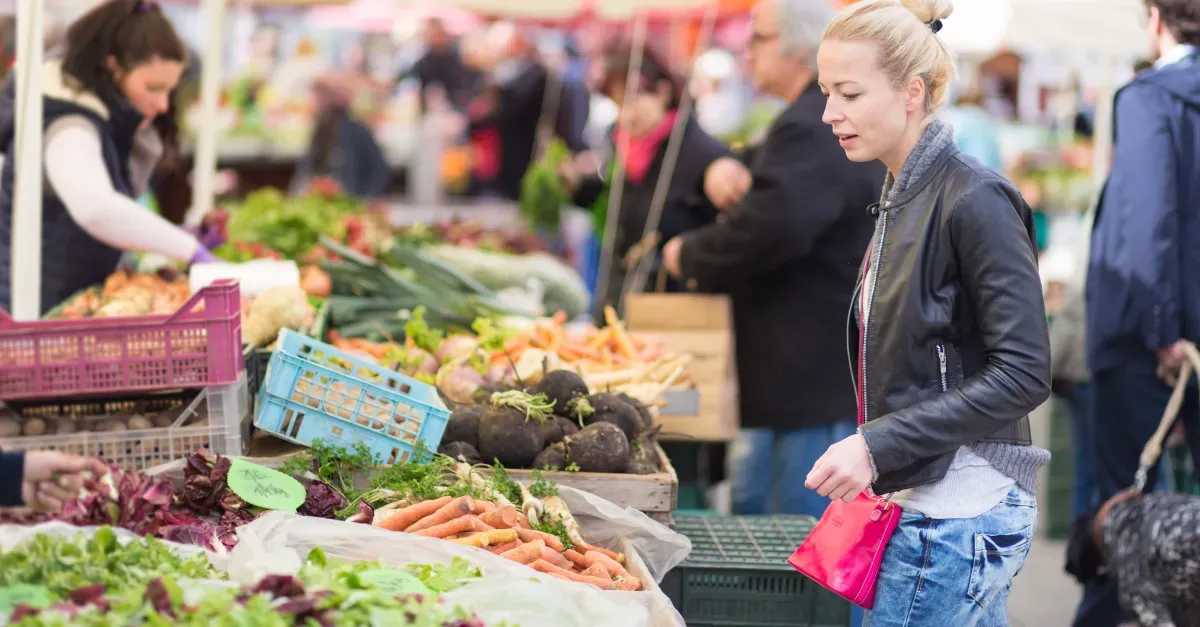
For the very few who may not know, the zero-mile (Km 0) approach favours local products by minimising the distance between production and consumption, and has long been a cornerstone of every ecological outlook.
The reason is obvious. Prioritising local production and sales significantly reduces transport-related emissions, with a direct benefit in terms of carbon footprint. But that is not all: favouring local products means supporting the economy of one’s own community, preserving traditions and rediscovering the cycle of the seasons by buying seasonal produce.
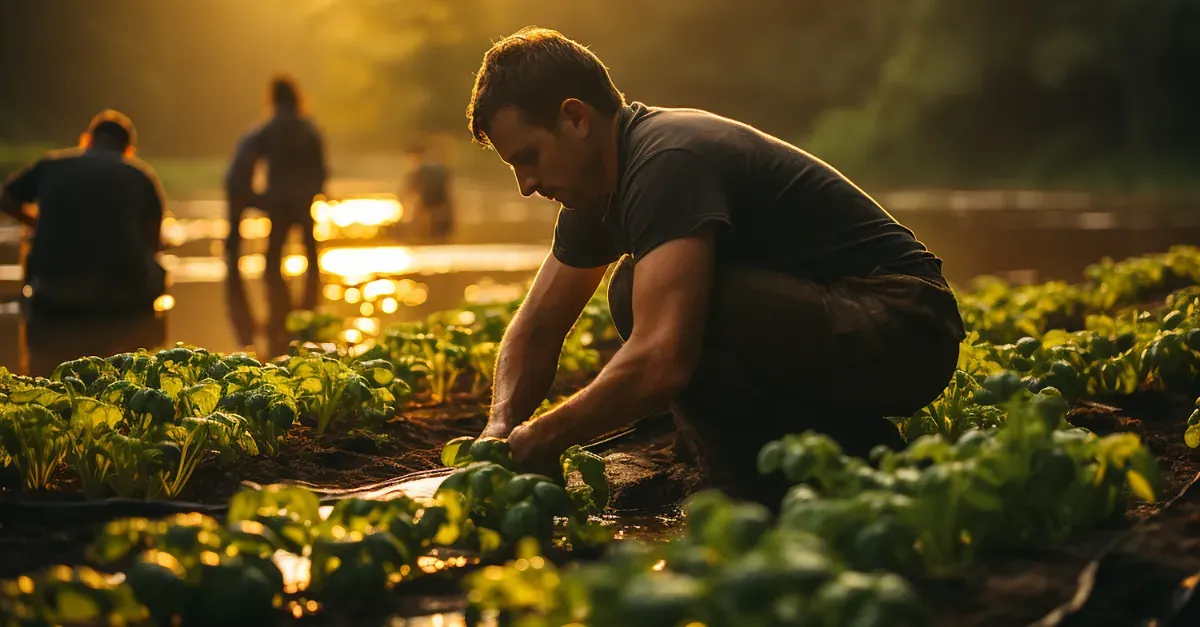
Organic farming is an agricultural production system that aims to provide healthy food, promote a sustainable environment and improve biodiversity, without the use of synthetic chemicals or genetically modified organisms. We can summarise the main characteristics and principles of organic farming:
Show moreShow less
It avoids the use of pesticides, herbicides, fertilisers and other synthetic chemicals. This helps to ensure that the food produced is free of potentially harmful chemical residues.
No GMOs: organic farming prohibits the use of genetically modified organisms (GMOs), relying instead on the natural genetic diversity of plants and animals.
Respect for natural cycles: this type of farming works in harmony with nature, respecting the natural cycles of soil, plants and animals. This includes crop rotation, which helps to prevent soil erosion and to combat diseases and pests.
Biodiversity: organic farming promotes biodiversity by cultivating different varieties of plants and raising different breeds of animals. This diversity helps to make ecosystems more resilient.
Environmental sustainability: organic practices tend to be more sustainable, contributing to water conservation, soil protection and the reduction of pollution.
Animal welfare: organic farming is committed to ensuring that animals are treated with care and respect, providing them with appropriate and natural living conditions.
Local production: although not exclusively tied to organic farming, there is a growing trend within the organic sector to support and promote local production and consumption, thereby reducing the environmental impact linked to transport.
In essence, organic farming is a holistic approach to cultivation and food production, focused on respect for the environment, sustainability and the production of healthy food for human consumption. This method places soil, water, plants, animals and human beings at the centre of attention, seeking to create a harmonious balance among all these elements.
Combining the concept of zero-mile food with organic farming produces a powerful formula for sustainability. But it has an impact on the market that could bring about a series of changes.
It is the consumer’s choice
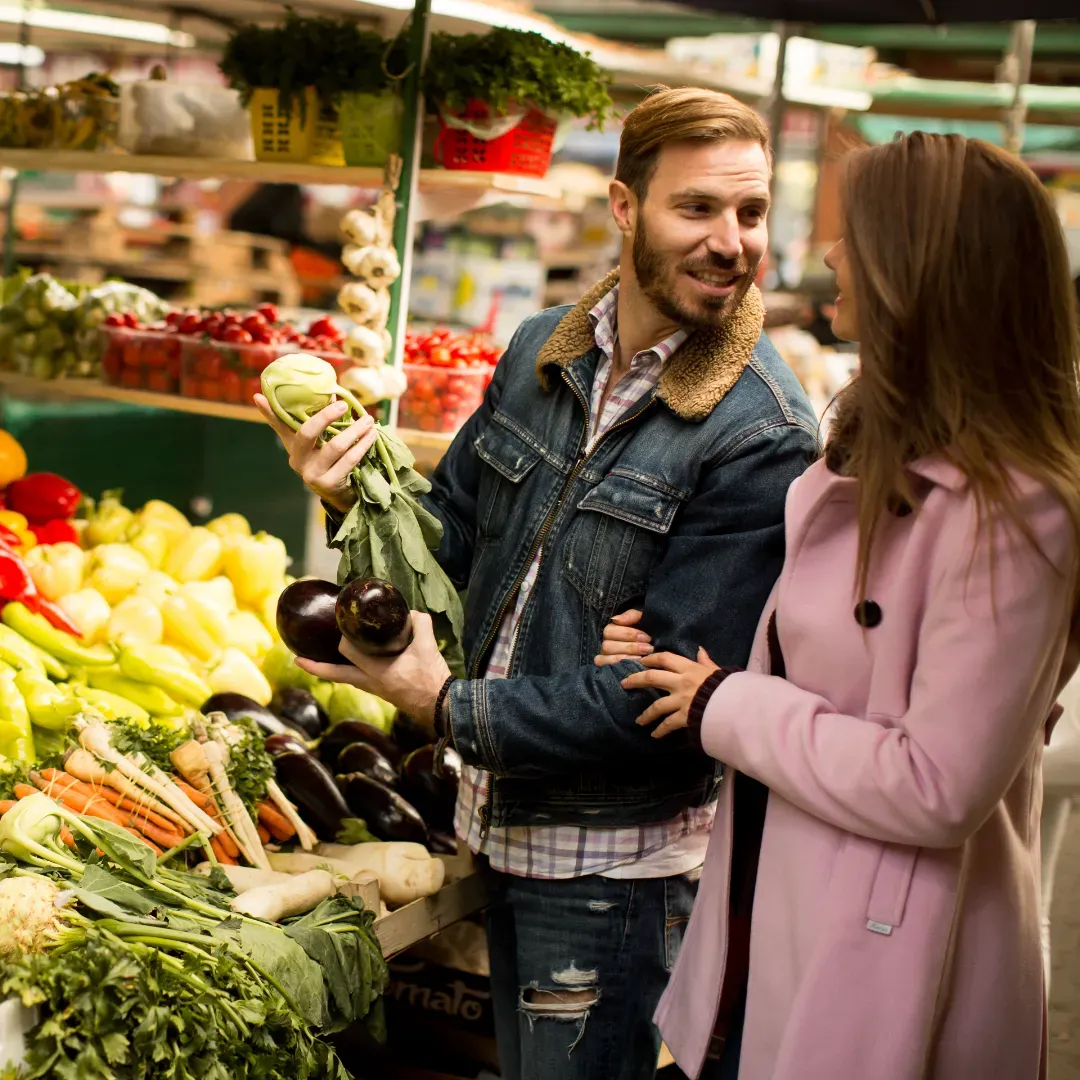
Choosing organic zero-mile products is not just a fashion, but a commitment to ourselves and to our planet. As consumers, we have the power to steer the market and promote sustainable practices. By choosing organic zero-mile food, we vote for a greener and healthier future.
In an ever more interconnected world, where easy access to goods from every corner of the globe is the norm, consciously choosing to limit the distance between field and table, and to do so sustainably, is a strong statement but not an easy one to put into practice. We are used to seeing every kind of fruit and vegetable on supermarket shelves all year round, and this has brought about a cultural change that is not easy to give up.
However, there is a growing movement towards buying and consuming seasonal products. Respect for seasonality is one of the fundamental premises that zero-mile food and organic farming have in common. Yet changing paradigms, or returning to old ones, in agriculture is not without consequences. Organic zero-mile food could have a significant impact on the production and commercial chain of the Italian and European agri-food system.
Exports of Italian agri-food products in the first 10 months of 2022 amounted to 60 billion *. Fruit and vegetables are among the most exported products, more than wine, pasta or cheese, which are nonetheless an important component of the 60 billion mentioned. All of this takes place in a European context. Let us remember that Europe is the largest producer of agricultural products, with around 260 billion a year. In this context we should ask ourselves: “What would happen if every European country had to practise zero-mile food?”
There would certainly be changes, as in other production sectors – consider the automotive industry, for example. Our choices as citizens therefore have repercussions on the markets. It will be up to the markets, institutions and politicians to adapt to the new demands of sustainability, seeing change as an opportunity.
In upcoming articles we will try to understand how to reconcile the zero-mile challenge with the needs of the economy and national budgets.
Was it useful? Pass it on to someoneSharing an investigation is worth more than a like.