Wetlands: what they are and why they are vital to the ecosystem
The so-called ‘wetlands’ are, on the whole, little known, yet they are true treasure troves of biodiversity, essential to the health of our planet. So let’s find out what they are.
Wetlands: what they are and why they are vital to the ecosystem Wetlands are natural or artificial areas, temporarily or permanently flooded, such as marshes, lagoons and peat bogs. These environments provide numerous benefits to the planet, including protection from floods, help in countering drought, water purification and the absorption of CO2. Rich in biodiversity, they are habitats for many species. However, wetlands are among the most threatened ecosystems, having declined dramatically in recent decades because of urbanisation and climate change.
How many times have you heard people talk about ‘wetlands’? Certainly not enough, even though the subject is much more important than you might think.
Wetlands: what are they?
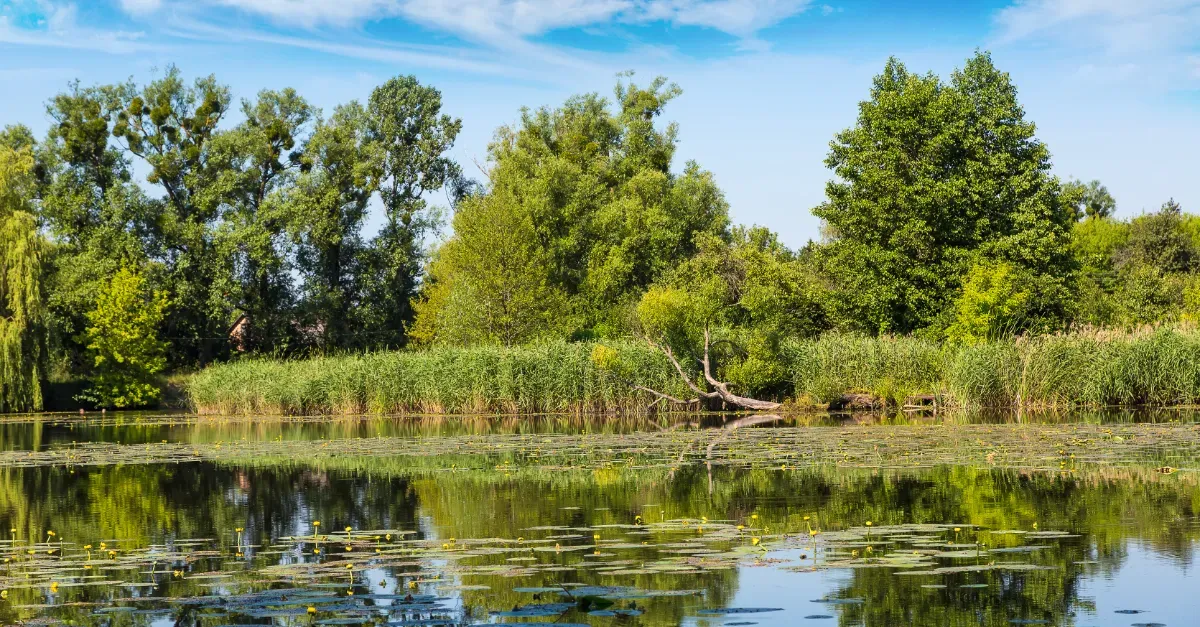
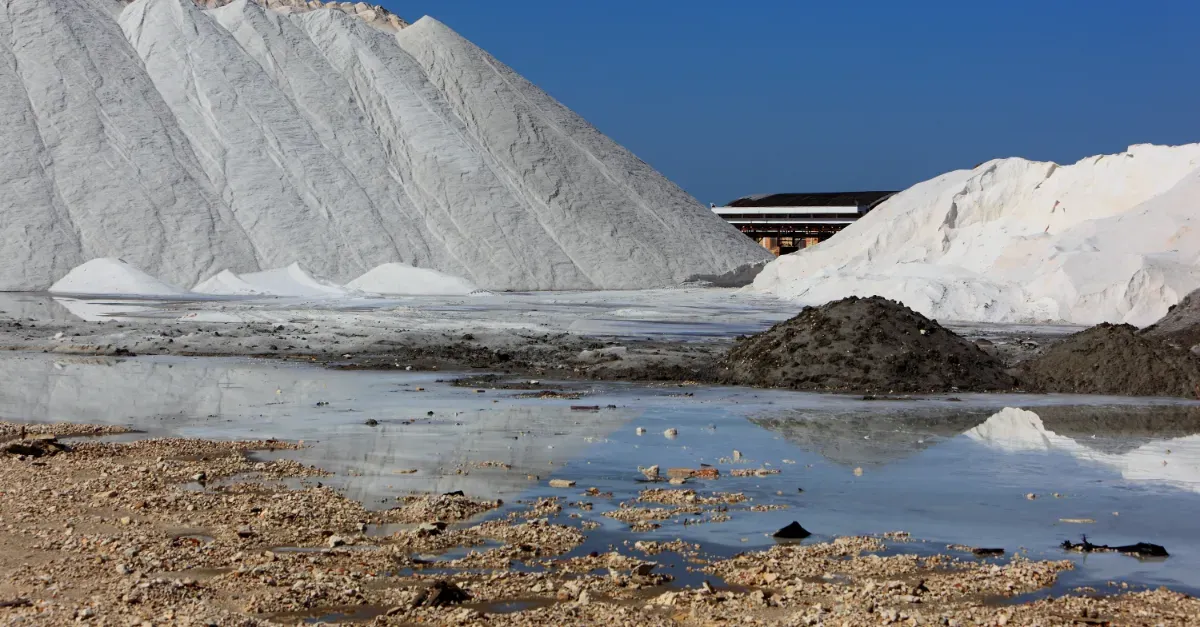
But what exactly are wetlands? According to the definition provided by the WWF, ‘wetlands are areas that are temporarily or permanently flooded’, which can be either natural or artificial in origin. This category therefore includes marshes, swamps, lagoons, ponds, peat bogs, salt pans and even lakes.
The water can be either fresh or brackish and can come from natural sources, such as rain, rivers or groundwater, or from seasonal floods or tides. Constant contact with it gives rise to typical vegetation: reed beds, mangrove trees and aquatic plants are, for example, the most common species in these areas.
A boon for the planet
The benefits that these environments bring to our planet are truly surprising: the WWF again tells us, for example, that the presence of wetlands helps to maintain groundwater levels, control riverbank erosion and prevent floods. The effect is that of a sponge: during periods of heavy rain or high water, these areas are in fact able to absorb large quantities of water, reducing the risks. Just think how topical this subject is, given the disaster that has struck Emilia-Romagna in recent days, little more than a year after the flood of 2023!
Show moreShow less
At the same time, wetlands also help to counter the opposite problem, that of drought, because they feed the local aquifers and keep the flow of water constant in lakes and rivers.
Another fundamental function is their ability to purify water: wetlands are, in fact, true natural filters that retain sediment and absorb excess nutrients such as nitrogen and phosphorus from industrial or agricultural activities. The result is a reduction in water pollution and an improvement in the quality of aquatic ecosystems.
Naturally, air quality also benefits from these areas, since the vegetation, which flourishes thanks to constant contact with water, is able to absorb a large amount of CO2, mitigating harmful emissions in the air.
Finally, wetlands are a treasure chest of biodiversity: from fish to birds, by way of amphibians, insects and mammals, there are very many species, some of them protected, that find refuge in these areas, which are safe and ideal places to nest, breed, rest and feed.
A heritage to protect
However, despite the countless benefits listed so far, wetlands are, alas, among the most threatened ecosystems in the world: according to the WWF, about 66% of them have disappeared in Europe over the last fifty years. The cause? Mainly... us! Indeed, the main risk factors include urbanisation, intensive farming, pollution and climate change: all problems for which humans bear a certain amount of responsibility.
It must be said, though, that awareness of the importance of these areas has lately been growing worldwide, thanks to the work of many international bodies and organisations. The Bible for anyone who wants to defend this precious natural heritage is the Ramsar Convention (Iran), an international treaty adopted in 1971 whose very purpose is the safeguarding of wetland ecosystems. Among the signatory countries, 172 in all, is fortunately Italy too.
Three wetlands in Italy not to be missed
But where are these wetlands? Our country has some beautiful ones, which often also organise numerous awareness-raising activities, such as guided tours, trekking, birdwatching, walks or cycle routes. In short, an ideal destination for anyone who loves nature and the planet! Here are three recommended ones, from the North, Centre and South:
Between Emilia-Romagna and Veneto lies the vast Po Delta Park, one of the largest wetlands in all of Europe and a true paradise for birdwatching enthusiasts. Here you can admire herons, flamingos and black-winged stilts;
In Umbria, meanwhile, there is the fourth largest lake in Italy: Trasimeno, and a visit to its little islands (Isola Maggiore and Isola Polvese) is truly worth a trip. Immersed in nature, they offer evocative landscapes, ancient villages and plenty of biodiversity;
Finally, the Saline di Margherita di Savoia salt pans, in Puglia, are a paradise for lovers of pink flamingos. Here, among the pools of water and the mountains of salt, there are plenty of them, and, especially at sunset, they make this place truly magical.
After visiting one of these places, so beautiful and so precious to our planet, you can only agree that they decidedly deserve more attention and protection, also in the interest of future generations.