In general, there are two ways to get vintage clothing: buying it from specialist shops or second-hand markets, or inheriting it from your family. In the second case, these are often pieces of great sentimental value, which can be repaired or reworked to suit your personal style.
Another reason why vintage is so loved is that it represents an antidote to the throwaway culture and rampant consumerism that characterise our society. Buying second-hand garments means giving new life to items that would otherwise have ended up in landfill, and reducing the environmental impact of the textile industry.
Wearing vintage clothes is good not only for your personal style but also for the environment.
Repairs
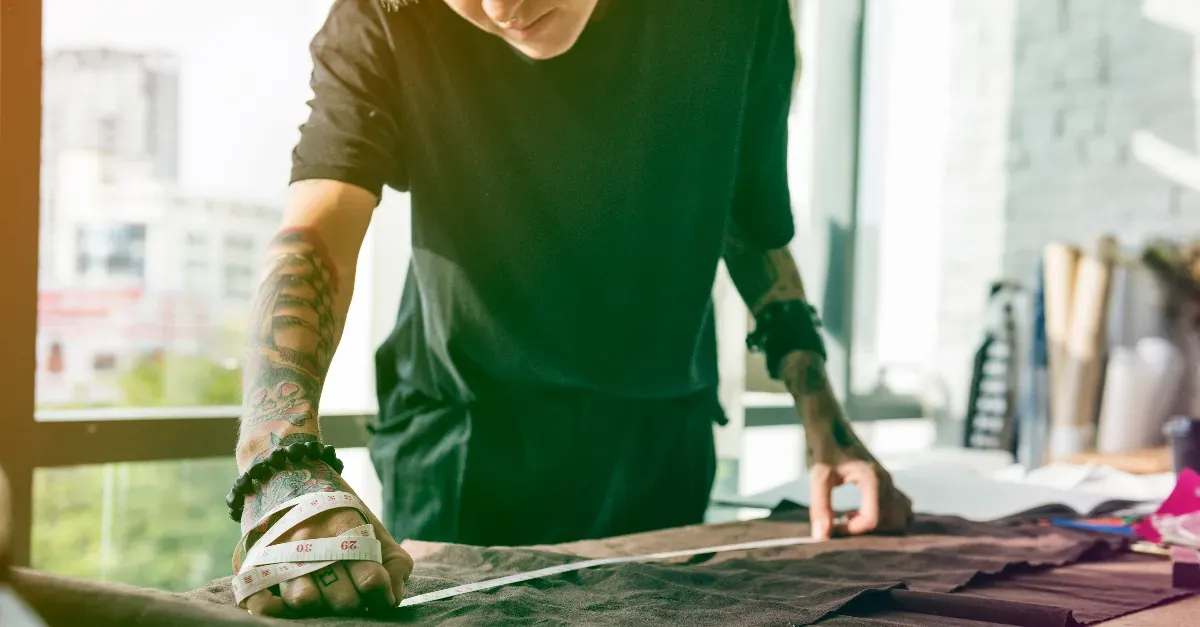
Repairing a vintage dress may seem complicated, but with the right skills and tools it is possible to make the garment look as good as new. Repairing vintage clothes was a common practice among past generations, when clothing was less accessible and the culture of ‘reuse’ was widespread.
First of all, you need to identify the problems with the garment to be repaired: there may be stains, worn areas or missing parts, which call for different repair techniques. For example, stains can be removed with products specifically designed for delicate fabrics, while a worn area may require more substantial work on the seams, by hand or by machine, perhaps even adding new parts.
If you are not good at needlework, you will have to rely on a tailor’s, and the cost will depend on how badly the garment is damaged. In some cases it may be enough to make small adjustments, such as tightening a button or adding a few centimetres to the sleeves; in others it may be necessary to rebuild some parts of the garment entirely. In this case we speak of revamping.
On the other hand, if you have no experience in repairing clothes, it is advisable to rely on a professional who can guarantee the utmost care and attention to detail in treating your retro treasure.
Creativity
Creativity is a key element in adding vintage clothes to your outfits. With your imagination, you can turn any piece into a unique, personal garment.
For example, if you have found an old denim jacket in a second-hand shop, you could paint it in bright colours or add studs to create a punk rock style. Or, if you have bought a vintage skirt that does not fit your figure perfectly, you could alter it by cutting it differently or adding details such as pockets, buttons, zips and so on.
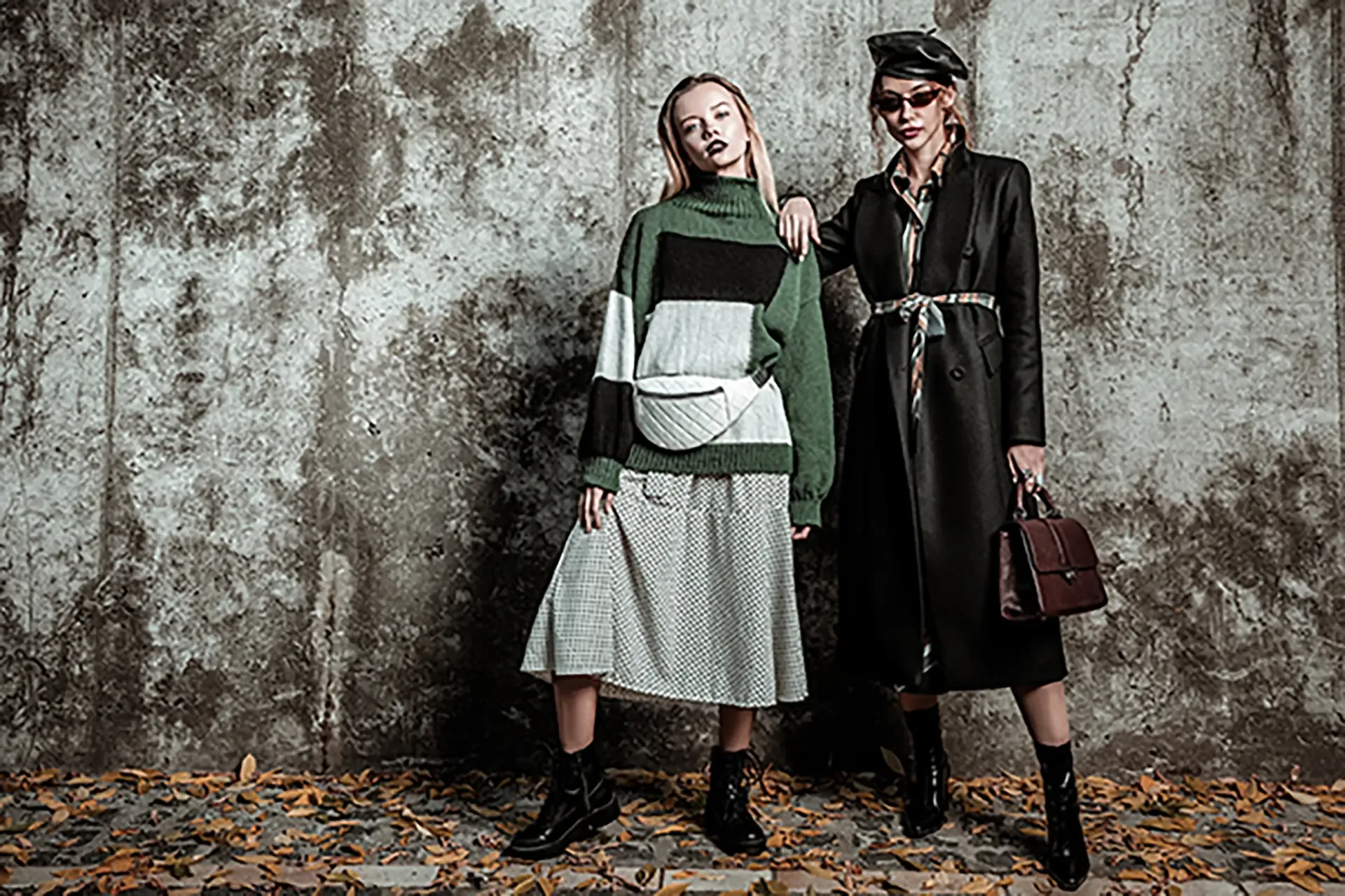
Creativity can also come from mixing vintage and modern clothes. You can wear a 1970s shirt with 2023 skinny trousers, or add contemporary accessories such as trendy trainers or minimalist bags to liven up the outfit.
Remember, creativity has no limits when it comes to customising your clothing. You could try dyeing a pair of jeans to get the colour you want, or add patchwork to your favourite jumpers.
There are endless ways to salvage a garment. In upcoming articles we will talk about revamping, a term borrowed from the industrial sector that could be the near future of fashion. Seamstresses and tailors, consider yourselves warned.