It uses 40 performance indicators spread across 11 issue categories to provide an overall assessment of each country’s environmental performance, reflecting how close they are to the environmental policy targets set at global level.
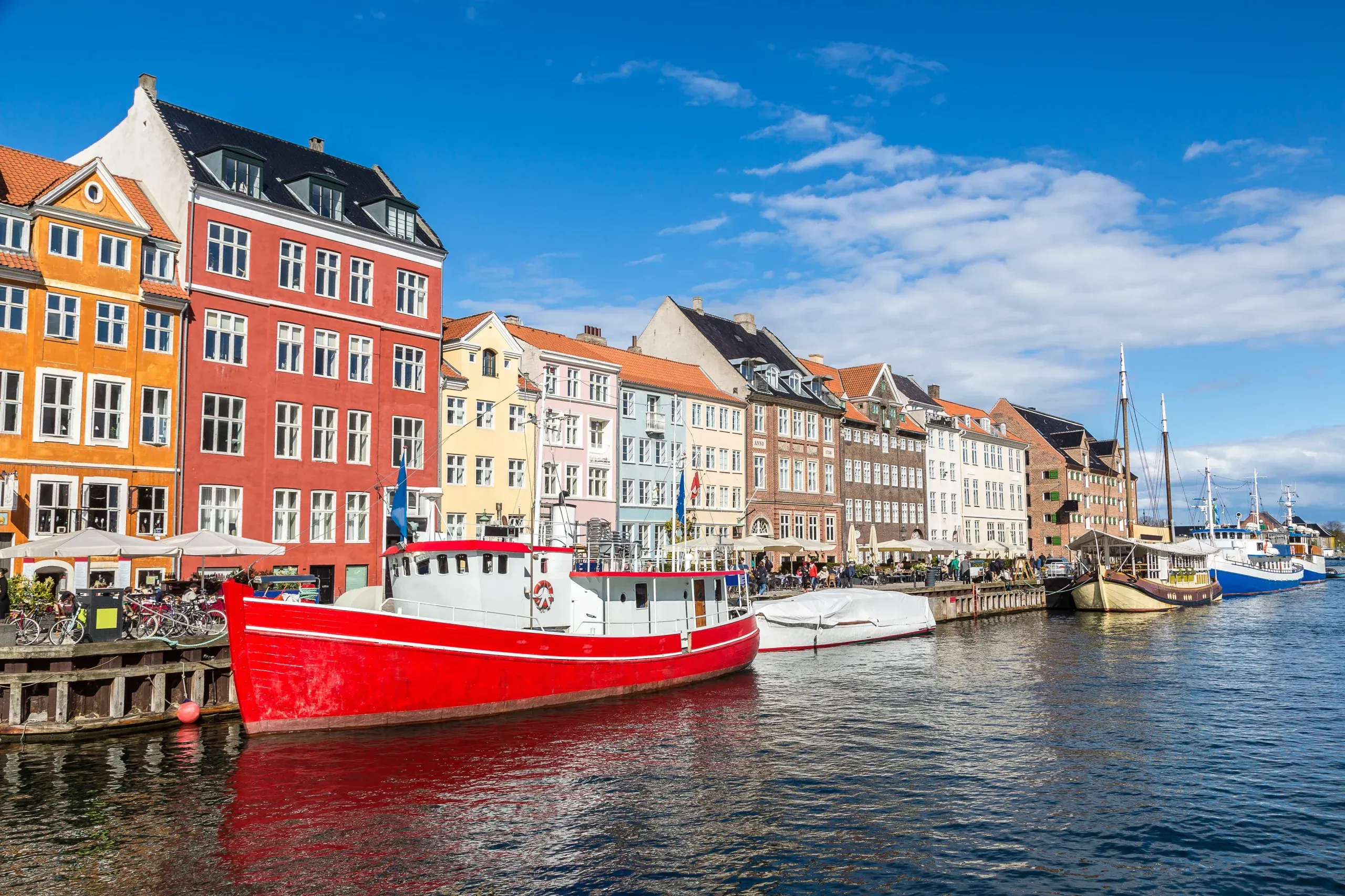
According to this index, the country with the best result is Denmark.
Denmark is a constitutional monarchy in northern Scandinavia, renowned for its high quality of life, advanced education and a strong economy based on a social welfare model. It is a leader in wind energy and is strongly committed to reducing its carbon footprint.
Culturally rich, with a history of Vikings, kings and explorers, Denmark is also known for its design, its literature and a cuisine that emphasises local produce and sustainability. It has a parliament, called the Folketing, in which seven parties sit:
- Socialdemokratiet (Social Democratic Party): traditionally one of the largest parties and often leading the government.
- Venstre (Liberal Party): a centre-right party with a strong emphasis on the market economy and liberal reforms.
- Dansk Folkeparti (Danish People’s Party): a right-wing party with a policy of strict immigration control.
- Det Konservative Folkeparti (Conservative People’s Party): a conservative party focused on the market economy and traditional values.
- Socialistisk Folkeparti (Socialist People’s Party): a left-wing party with a particular focus on environmental issues and social justice.
- Enhedslisten (The Unity List): an alliance of left-wing and socialist parties.
- Radikale Venstre (Social Liberal Party): a centrist party with a liberal and progressive outlook.
Among these parties there is no openly green party, at least not in the most traditional sense of the term. While it is true that the country’s green concerns are chiefly represented by the Socialistisk Folkeparti (Socialist People’s Party) and the Unity List (Enhedslisten), the culture of sustainability is widespread in every party. This is probably the reason why there has been no need to form a green party.
Environmental issues are broadly integrated into the policies of the main parties. This means that green policies are promoted through a wide range of political parties, not just through a single green party. The broad acceptance of and support for environmental policies among the existing parties seems to meet voters’ needs.
Green culture and environmentalism are deeply rooted in society. This strong sense of environmental responsibility among citizens influences politics significantly. Politicians, responding to the values and expectations of their voters, tend to integrate sustainable and environmental policies into their programmes, regardless of their political affiliation.
This cross-party approach ensures that sustainability is a shared national goal, rather than a subject confined to a single political party. In this way, the culture and values of citizens directly shape the country’s political agenda.
Perhaps some readers are wondering where Italy stands in this ranking. We are in 23rd place. A result that shows there is still work to be done on the culture of sustainability.
Sources: EPI results can be viewed here