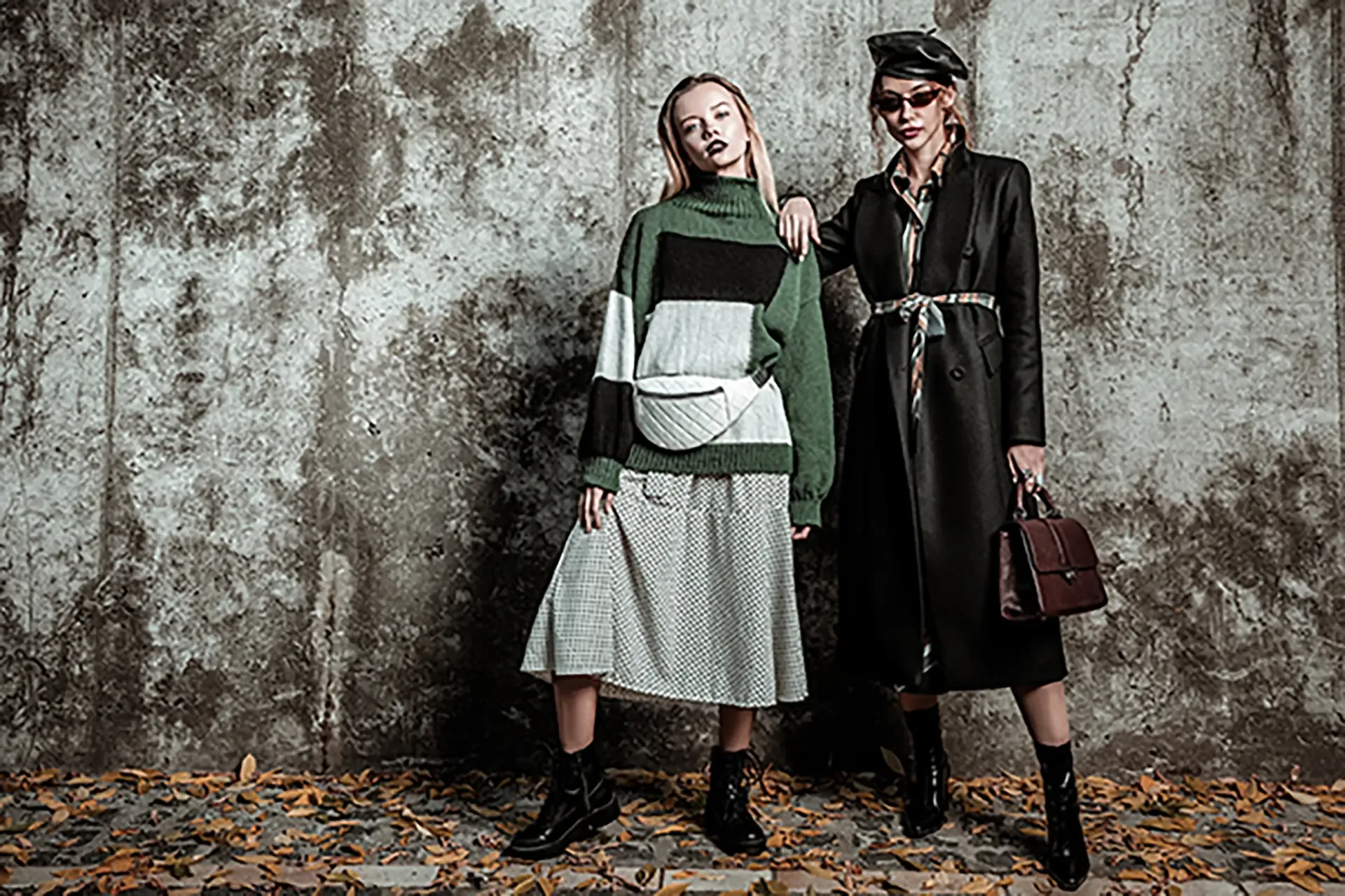
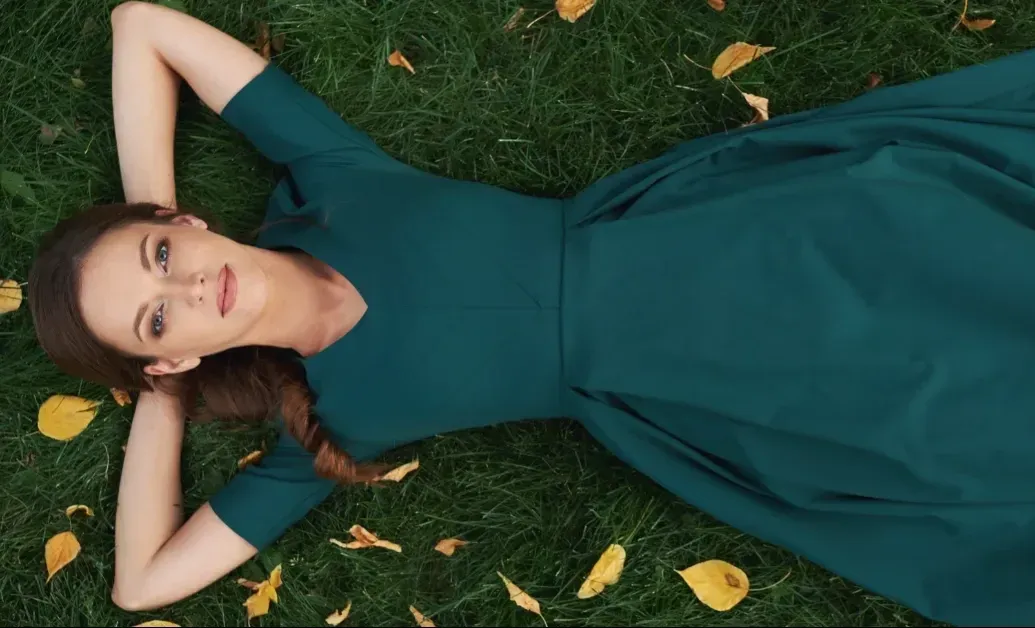
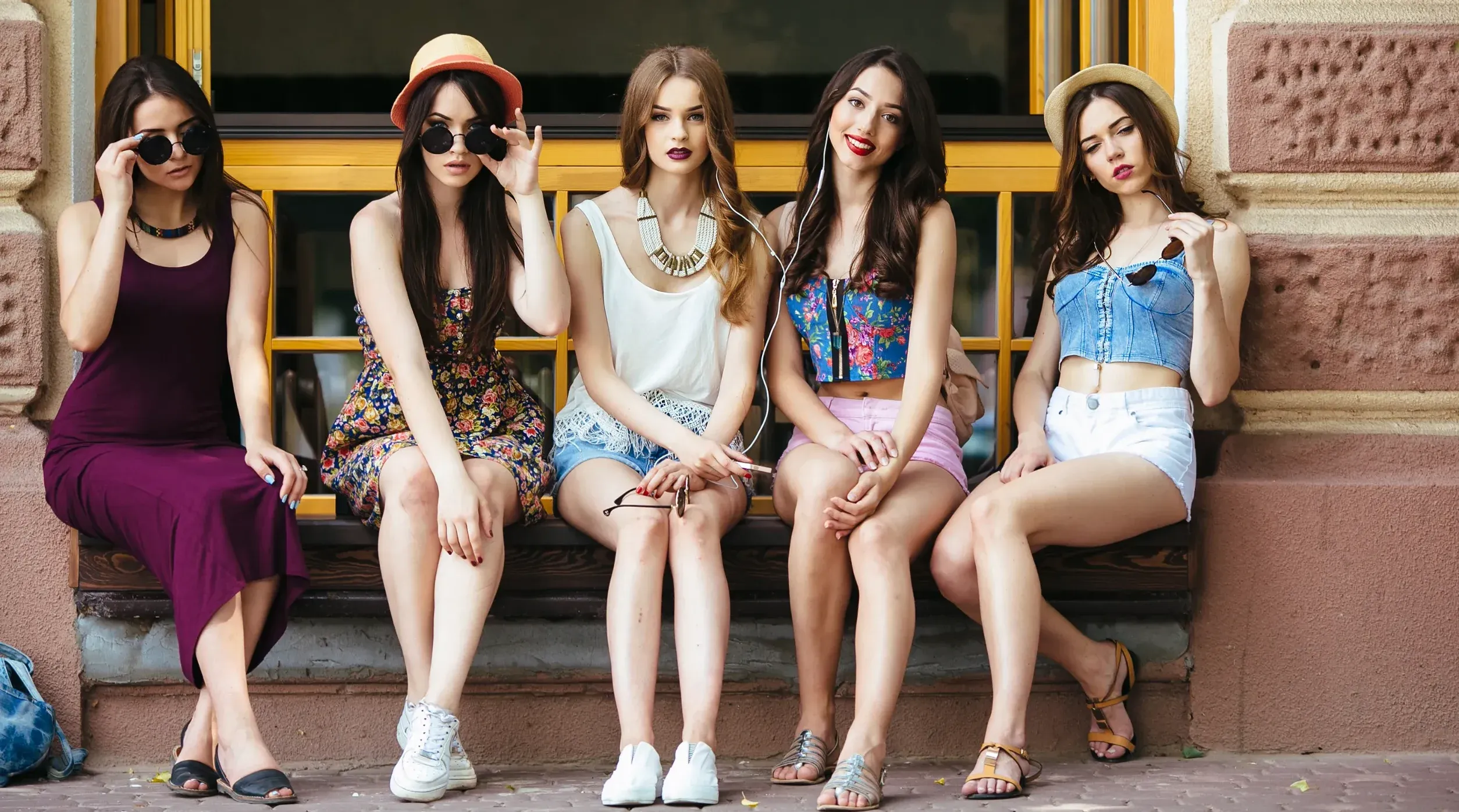
Vintage and second-hand clothing is a phenomenon that is winning over more and more young people around the world. This trend, which has deep roots in fashion culture, has gained growing prominence thanks to a new generation of style enthusiasts who embrace the past with enthusiasm and creativity. But why are more and more young people falling in love with vintage and second-hand fashion? And how is this phenomenon influencing the world of contemporary fashion?
Vintage fashion refers to clothing and accessories that were produced in the past and are now considered retro or classic. Vintage fashion lovers enjoy hunting for garments from the 1920s to the 1990s, capturing the spirit and style of past eras. This passion for vintage often extends to accessories, bags, shoes and even period hairstyles.
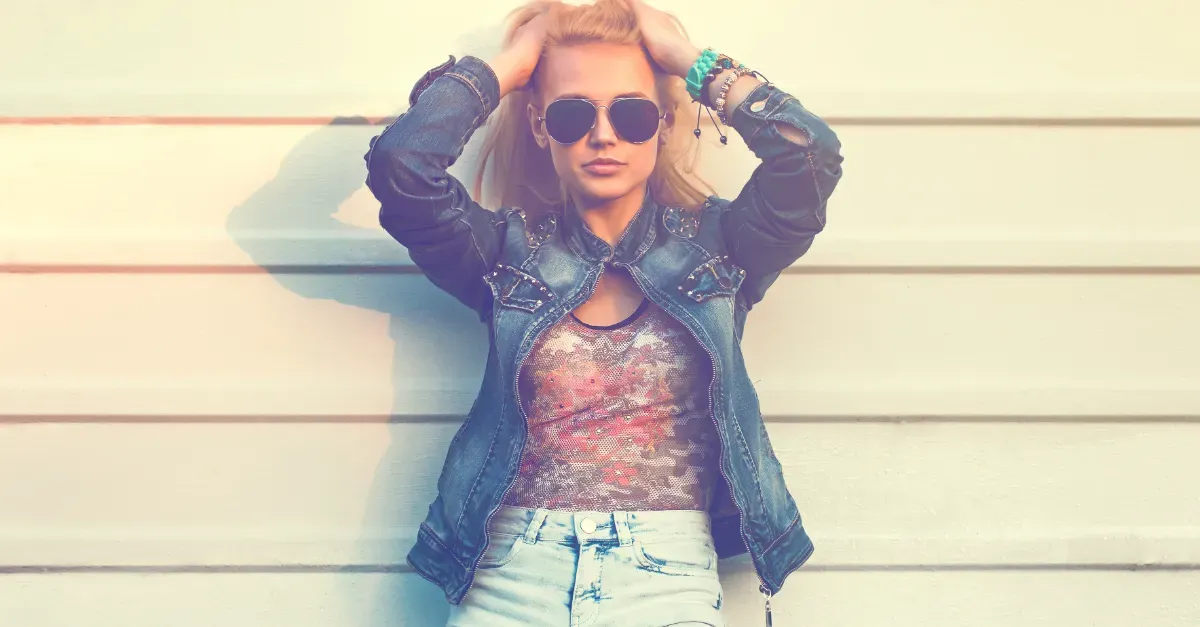
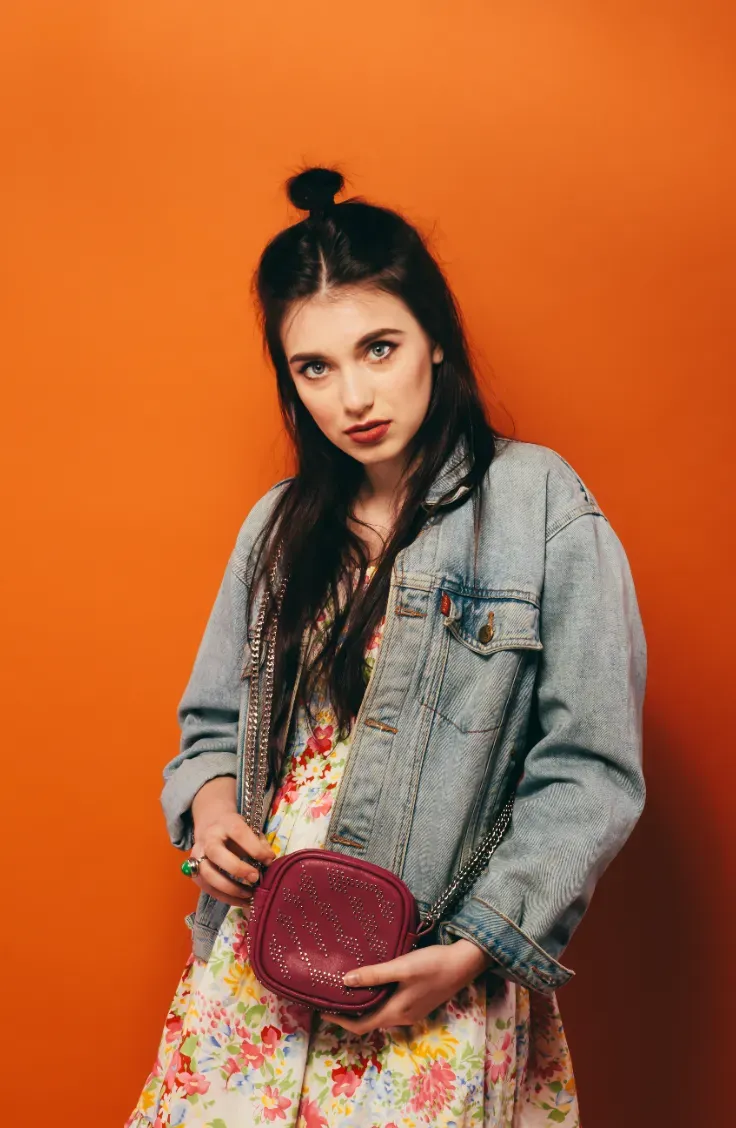
One of the main reasons young people are drawn to vintage fashion is the search for an individual identity and a unique personal style. In an age when ready-to-wear has become the norm, vintage clothing offers the chance to stand out from the crowd and express one’s creativity. Wearing a vintage dress can transport the wearer to another era, adding a touch of mystery and originality to their look.
Show moreShow less
Besides the search for a distinctive style, many young people are turning to vintage and second-hand fashion for reasons of sustainability. The clothing industry is known for its negative environmental impact, with the mass production of garments contributing to water pollution, the build-up of textile waste and the intensive use of natural resources. Buying vintage and second-hand clothing is a way to reduce one’s personal environmental impact, since these are garments that already exist rather than new products.
Many young people feel motivated to reduce their ecological footprint and to adopt a more sustainable lifestyle. Vintage clothing fits this mindset perfectly, allowing them to be fashionable without contributing significantly to the pollution caused by the fashion industry.
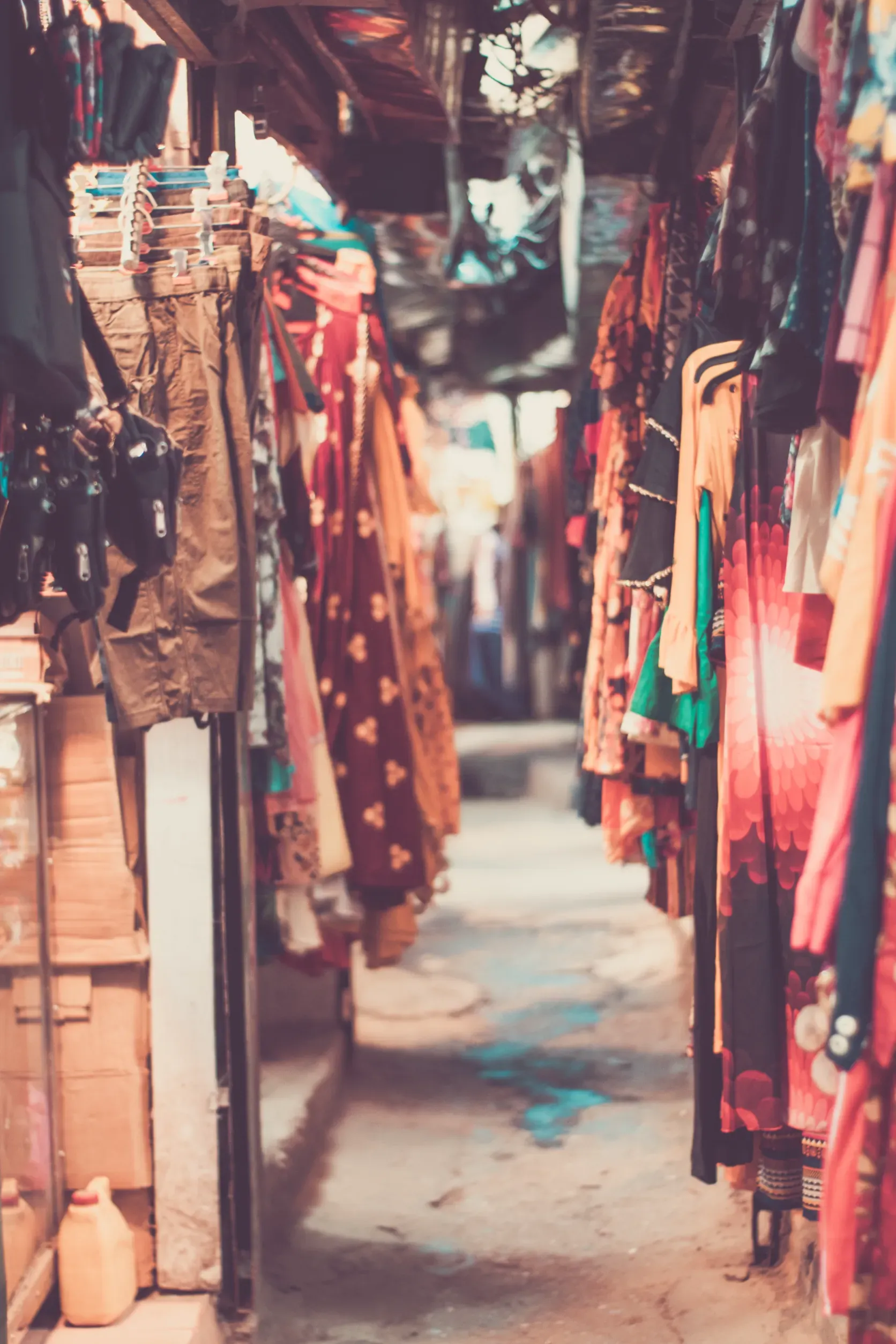
Another fascinating aspect of vintage and second-hand fashion is the thrill of the treasure hunt. Young vintage lovers spend hours exploring flea markets, second-hand clothes shops and specialist websites in search of unique pieces. This activity becomes a sort of adventure, a way to uncover hidden treasures among the shelves of second-hand shops or in the bins at flea markets.
Finding a rare vintage garment or a period handbag can be extremely rewarding and is often regarded as a genuine achievement. These items become not only part of a wardrobe, but also pieces of history to be looked after with care.
The influence of vintage fashion on current trends
Vintage and second-hand fashion has had a significant impact on contemporary fashion. Many luxury clothing designers and mass-market fashion brands have incorporated vintage elements into their designs, creating a fusion of styles that appeals to a wide variety of consumers. The fashions of the 1970s, 80s and 90s have made a resounding comeback on catwalks and in shops around the world, thanks also to the popularity of vintage garments from those years.
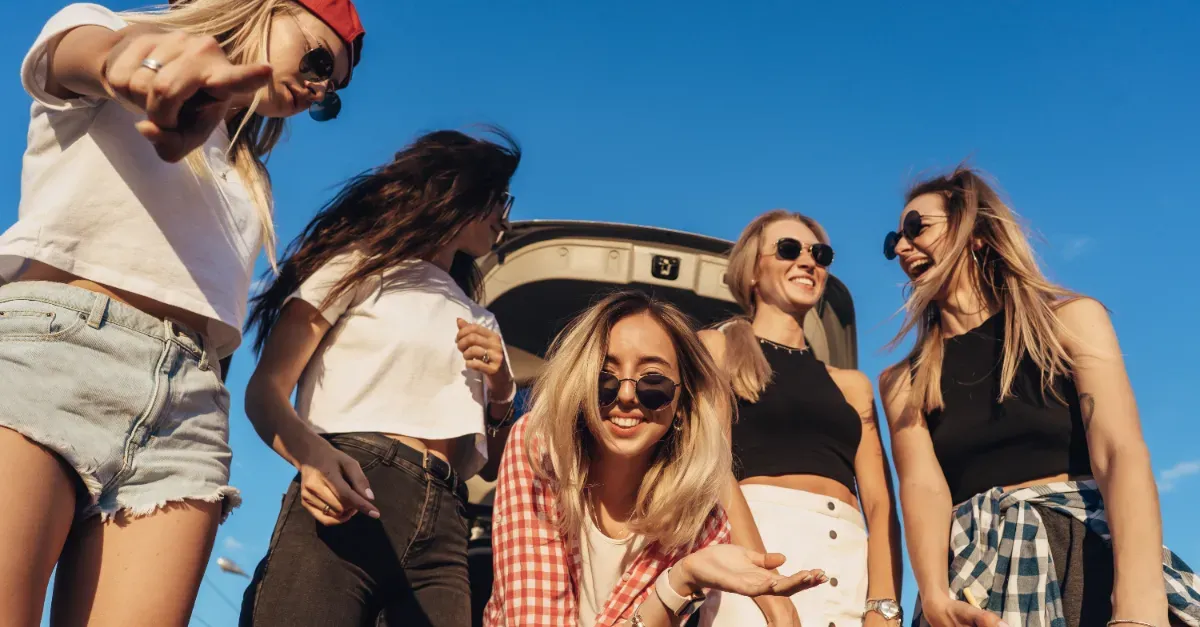
Celebrities and social media influencers have also helped to spread the passion for vintage fashion, wearing vintage pieces at public events and on their online profiles. This has further increased interest in retro fashion among young people.
In short, the love of vintage is evolving from a mere passion for originality into a genuine cultural movement, one capable of positively influencing the contemporary fashion industry. Vintage clothing is not just a way of dressing, but an experience that connects us to the past while we shape the future of the fashion world.
Was it useful? Pass it on to someoneSharing an investigation is worth more than a like.