Today is monday 9 november 2026
Webzine of ecological news

From around the world · News and current affairs

The Kakhovka dam: a humanitarian, economic and ecological catastrophe

On 6 June 2023 the Kakhovka dam was destroyed: an environmental disaster is taking shape.

[fabularasa] © 123RF.com

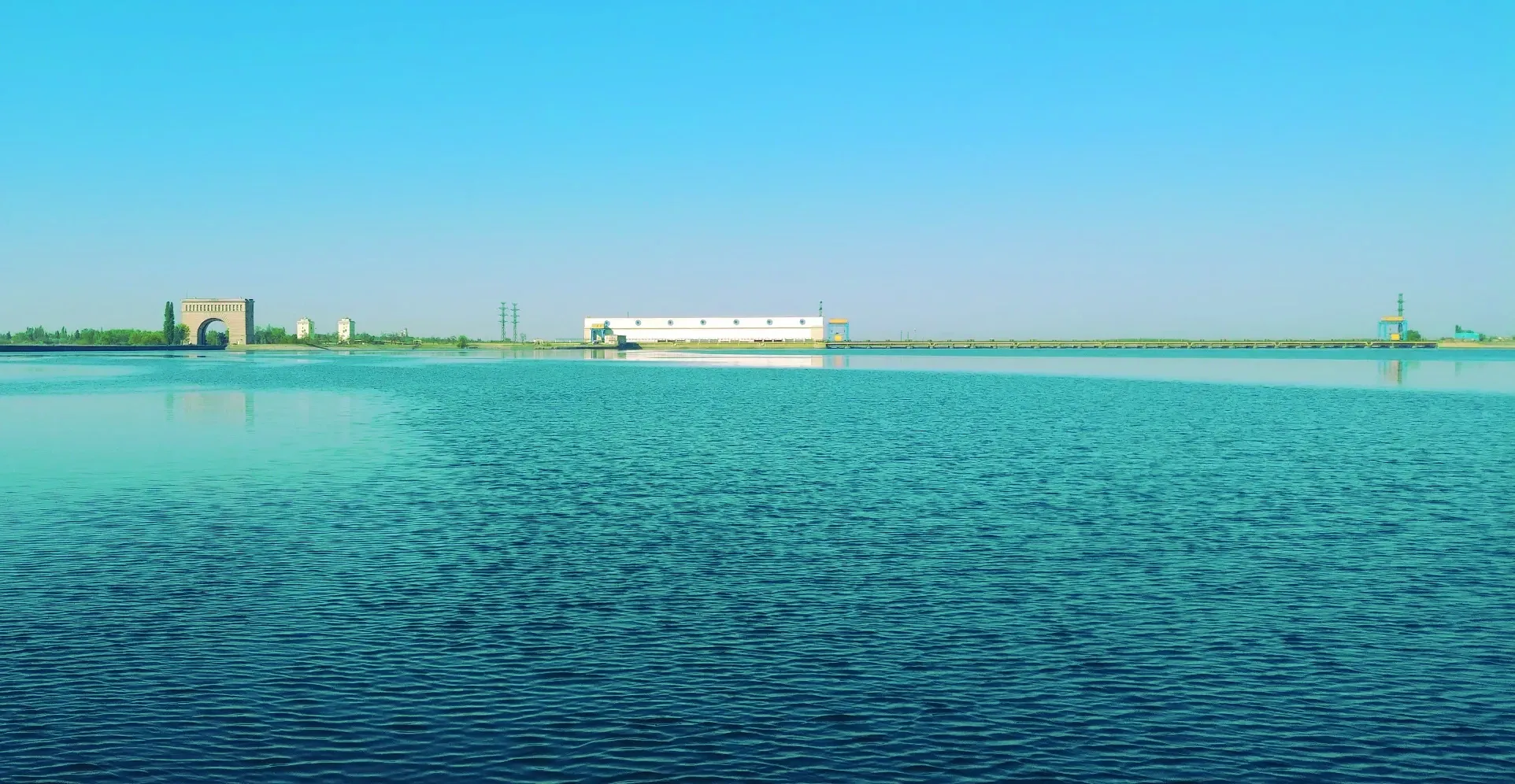
The Kakhovka dam was built in the 1950s, in the middle of the Soviet period. It was destroyed on 6 June 2023 as a result of the ongoing conflict. The dam is now located in the province (oblast) of Kherson, in the town of Nova Kakhovka in Ukraine, and is a source of water and electricity for the large population of the towns it serves, including Crimea.

Link to the Google location https://www.google.com/maps/@46.8710501,32.8890338,101054m/data=!3m2!1e3!4b1!4m2!21m1!1s%2Fg%2F11sv9klq4g?entry=ttu

There are numerous reports and pieces of information about the ongoing disaster, still confused in these first, frantic hours. Among the most authoritative is that of the Secretary-General of the United Nations, António Guterres. According to him, and we quote verbatim from the press conference given in New York on 6 June 2023, this is “a humanitarian, economic and ecological catastrophe”. (We give you the source here.)

Show more Show less

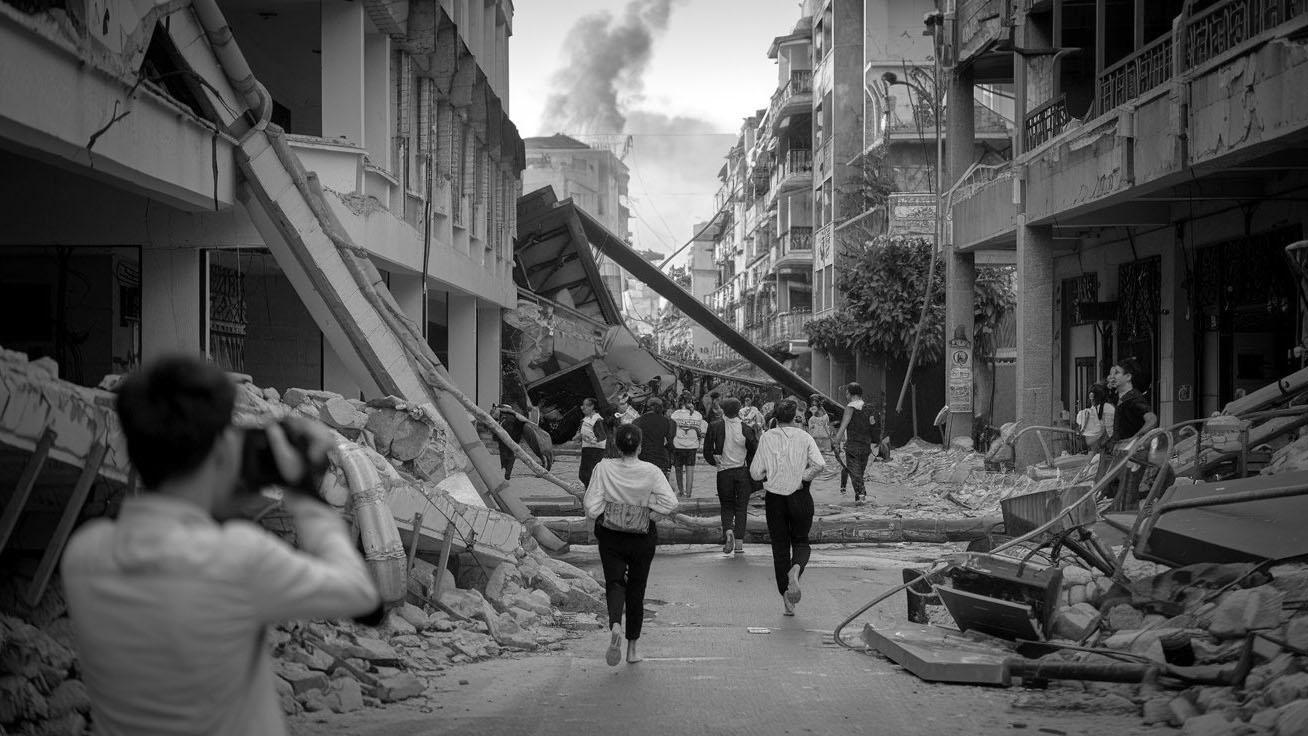
The Secretary-General also states that the disaster will affect more than 80 towns and cities and could have consequences for the Zaporizhzhia nuclear power plant. More than 16,000 people have by now lost their homes. The picture emerging is one of massive flooding, large-scale evacuations, environmental devastation and the destruction of newly planted crops.

It is still too early to understand what the harmful consequences of this enormous disaster will be. Even Guterres admits that, for now, information from independent sources is lacking.

In general, when a dam of this size is destroyed, we cannot say with certainty what the water will carry with it: it could carry significant pollutants such as oil, or worse. The danger does not concern buildings alone but also the soil, which could suffer serious erosion lasting for years. It is almost certain that the current crops will be swept away.

Machine translation

We respect your privacy

When you use this site, we and the third-party providers listed in the preferences may use cookies and similar technologies for the following purposes:

  • Necessary: Core functions: security, session and storing your choices.
  • External services: Embedded third-party content such as videos. It only loads if you allow it: the provider then receives your IP address and may set cookies of its own.

Only necessary cookies are active without consent. Some providers may transfer data outside the EU. You can change your choices at any time from the «Privacy settings» link at the bottom of the page; closing with the X continues with necessary cookies only.

Customise