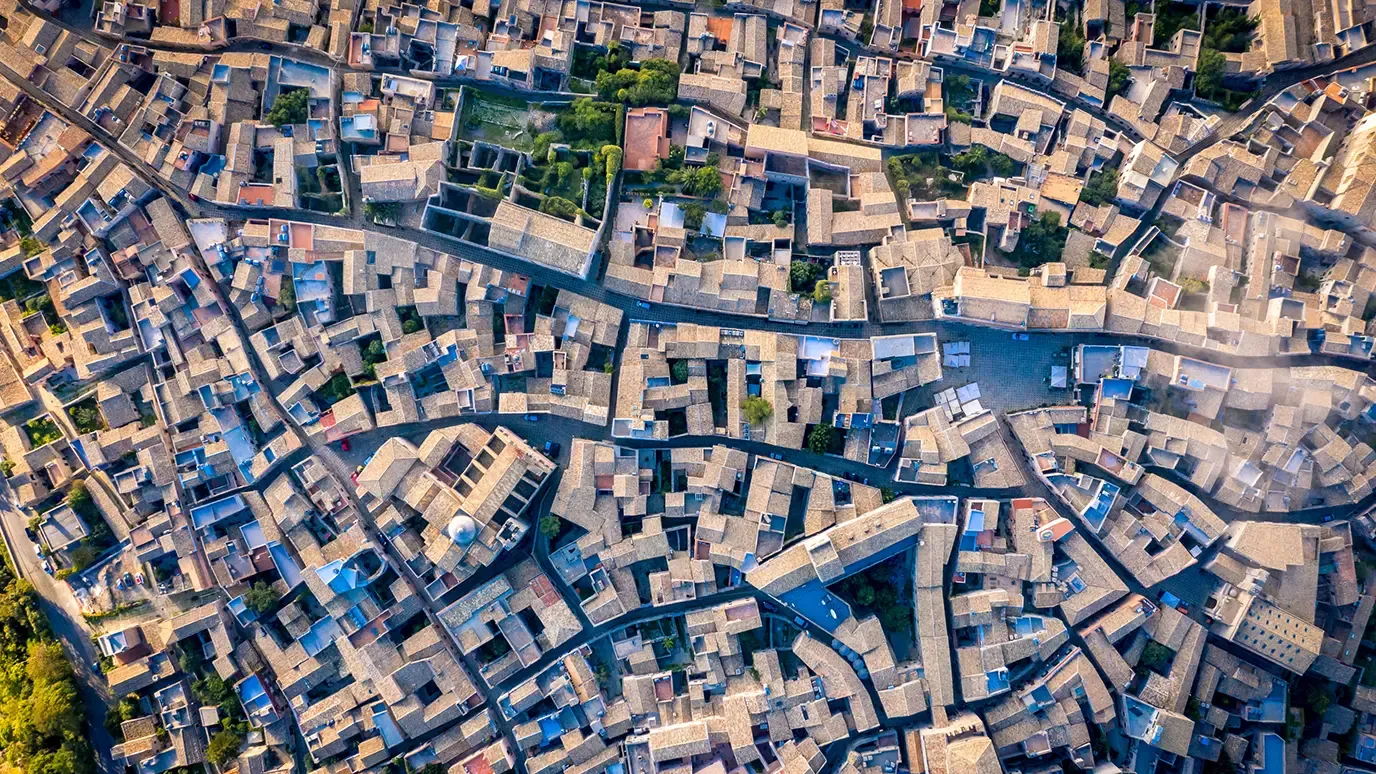
The overall goal is to have a zero-emission building stock by 2050.
Going into more detail, let us set out the main points of the Green Homes directive, which areas it covers and in what timeframe.
Energy sources:
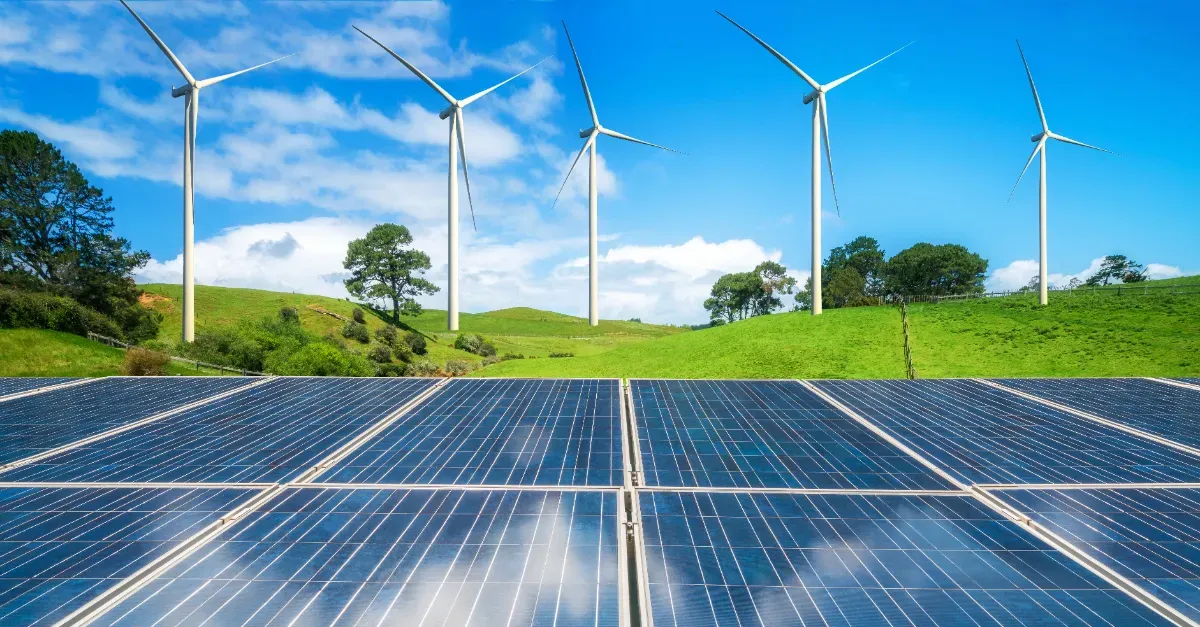
Solar panels. It will be compulsory to install solar panels on all new public buildings. At present there are no obligations for private owners.
Boilers and gas –
By 2040 gas boilers will have to disappear from our main home. So no more fossil fuels.
It would seem, then, that we face a future of buildings powered and heated, but above all cooled, with electricity produced by photovoltaics, because unless the trend reverses we appear to be heading towards rising temperatures. Of course, this will also depend on the geographical location of the property.
Energy classes
The concept of the energy class is not new; every Italian who has rented out or sold a property in recent years will certainly have heard of it. There are seven energy classes, ranging from the most efficient, A, to the least efficient, F and G.
With the directive just approved, the European Economic Community requires us to progressively reach class D by 2030 for public buildings and 2033 for residential buildings. Residential buildings will have to move to class E by 2030. The aim is, in effect, to achieve a 16% reduction in energy consumption by that date.
The so-called global energy performance index, that is, the ability to heat or cool a property and to produce light or domestic hot water, is measured in kW per square metre and abbreviated to EPgl. In class D this value is between 1.50 and 2. This value is heavily influenced by the insulation of the external walls and by the windows and doors.
To recap the main points
- New buildings will have to be zero-emission by 2030. Public ones by 2028.
- Energy consumption will have to be reduced by 16% from 2030
- Gas boilers will have to be phased out by 2040
- Existing residential buildings will have to reach energy class D by 2033, passing through class E by 2030
- Existing public buildings will have to reach energy class D by 2030.
By 2028 the European Commission will review the directive for any amendments.
Exemptions
Exemptions from the efficiency requirement have been provided for. These may cover historic buildings or those of particular architectural merit, detached buildings not exceeding 50 square metres, places of worship, and second homes used for no more than 4 months a year.
Considerations
The financial resources needed to put the plan into action will be considerable. Both the public administration and private owners will need a ‘sturdy’ wallet to reach the goal. For residential property, some estimate €60,000 per housing unit. Even if the figures were lower, in the order of a few tens of thousands of euros for a small unit, it would still not be an expense within everyone’s reach.
At present no penalties are envisaged for failure to comply. Nevertheless, from 2030 it will be forbidden to sell or rent properties that do not meet the energy class required by law. The risk is that owners who are unable to upgrade their property will see its value fall. Those who cannot comply will therefore be penalised not only by the loss of asset and rental value but also socially discriminated against because they lack the resources needed for renovation.
From a financial point of view, significant state intervention to support private owners, however desirable, seems unlikely, considering what will already have to be paid for the 110% Superbonus, which will weigh heavily on the public purse in 2023 (over 20 billion) and in the following years. The costs of upgrading the public building stock must then be added. European financial intervention will therefore be essential for the ‘timely’ implementation of the directive, from both an economic and a social point of view.