Today is monday 9 november 2026
Webzine of ecological news

Legislation and ecology

The ‘Environmental Protection’ Decree-Law approved by the Senate and the Chamber of Deputies: farewell to hydrocarbons and more room for renewables?

Clean energy, the circular economy and remediation are at the heart of legislation for more effective resource management, but controversy is not lacking.

image by :[pitinan] © 123RF.com

UPDATE:

The conversion into law of Decree-Law No. 153 of 17 October 2024, known as the ‘Environmental Protection’ Decree-Law, marks an important step forward in addressing environmental challenges. In this article we analyse the text of bill S.1272, which has been definitively approved but is still awaiting publication, possibly with amendments.

Some of the points under discussion in relation to the bill

Ban on new concessions for hydrocarbon extraction

One of the most significant provisions concerns the ban on issuing new concessions for the extraction of liquid hydrocarbons, both onshore and offshore. However, exceptions are provided for activities based on permits already issued before the law enters into force. Existing concessions will continue, but any extensions will be subject to stricter criteria, such as an assessment of the useful life of the field and the delimitation of the areas actually needed for extraction activities. One aspect that particularly worries environmental associations is the change to the ban on the exploration, prospecting and extraction of liquid and gaseous hydrocarbons at sea: the minimum distance from the Italian coast and from marine protected areas has been reduced from 12 to 9 nautical miles. This change affects the perimeter of the areas where such activities were previously prohibited.


Show more Show less

Promotion of renewable energy

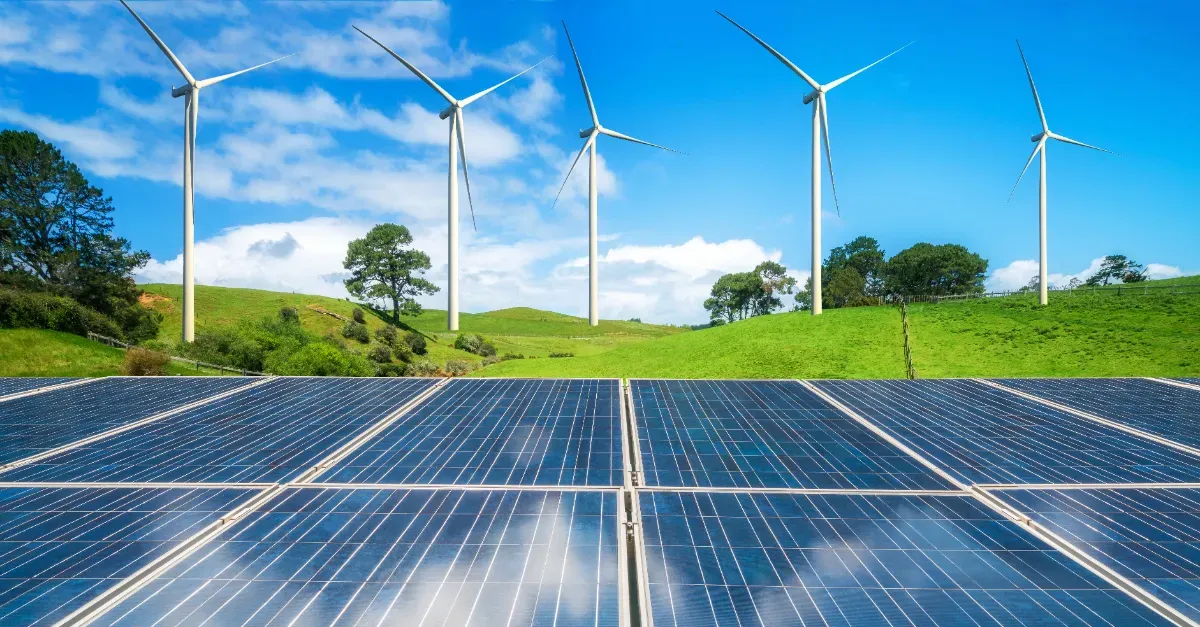
The law focuses on speeding up projects linked to clean energy sources, considered a priority for achieving decarbonisation targets. These include photovoltaic plants with a nominal capacity of at least 50 MW, wind farms of at least 70 MW, and green hydrogen and agrivoltaic projects. Priority is given to works that involve improving existing infrastructure or building new plants with a highly positive environmental impact.

Simplification of environmental assessment procedures

To reduce bureaucratic delays, the legislation introduces leaner procedures for environmental authorisations. In particular, an order of priority is established for strategic national projects, integrated management between ministries is envisaged to ensure greater coordination, and strict time limits are introduced for completing environmental impact assessments.

Remediation of contaminated sites

The law pays particular attention to areas damaged by pollution, providing for remediation plans for contaminated sites, with dedicated resources and simplified procedures. Targeted measures are planned to meet the deadlines of the National Recovery and Resilience Plan (PNRR).

Circular economy and waste management

To promote more efficient use of resources, the legislation introduces measures for the recovery and reuse of materials. Among the main new features are the inclusion of public and private green space maintenance among the categories eligible for relief, and incentives for the integrated management of waste from major infrastructure works.

Water resource management

The legislation addresses the water crisis with targeted measures, such as the reuse of treated wastewater for agricultural and industrial purposes, and the upgrading of the water network to mitigate shortages.

The conversion of the decree into law is a crucial step in addressing environmental challenges, but publication is still awaited, which will confirm the actual entry into force of the text, which will probably include amendments to what is described here. For further information, see the page for bill S.1272 on the Senate website.

opening

Machine translation

We respect your privacy

When you use this site, we and the third-party providers listed in the preferences may use cookies and similar technologies for the following purposes:

  • Necessary: Core functions: security, session and storing your choices.
  • External services: Embedded third-party content such as videos. It only loads if you allow it: the provider then receives your IP address and may set cookies of its own.

Only necessary cookies are active without consent. Some providers may transfer data outside the EU. You can change your choices at any time from the «Privacy settings» link at the bottom of the page; closing with the X continues with necessary cookies only.

Customise