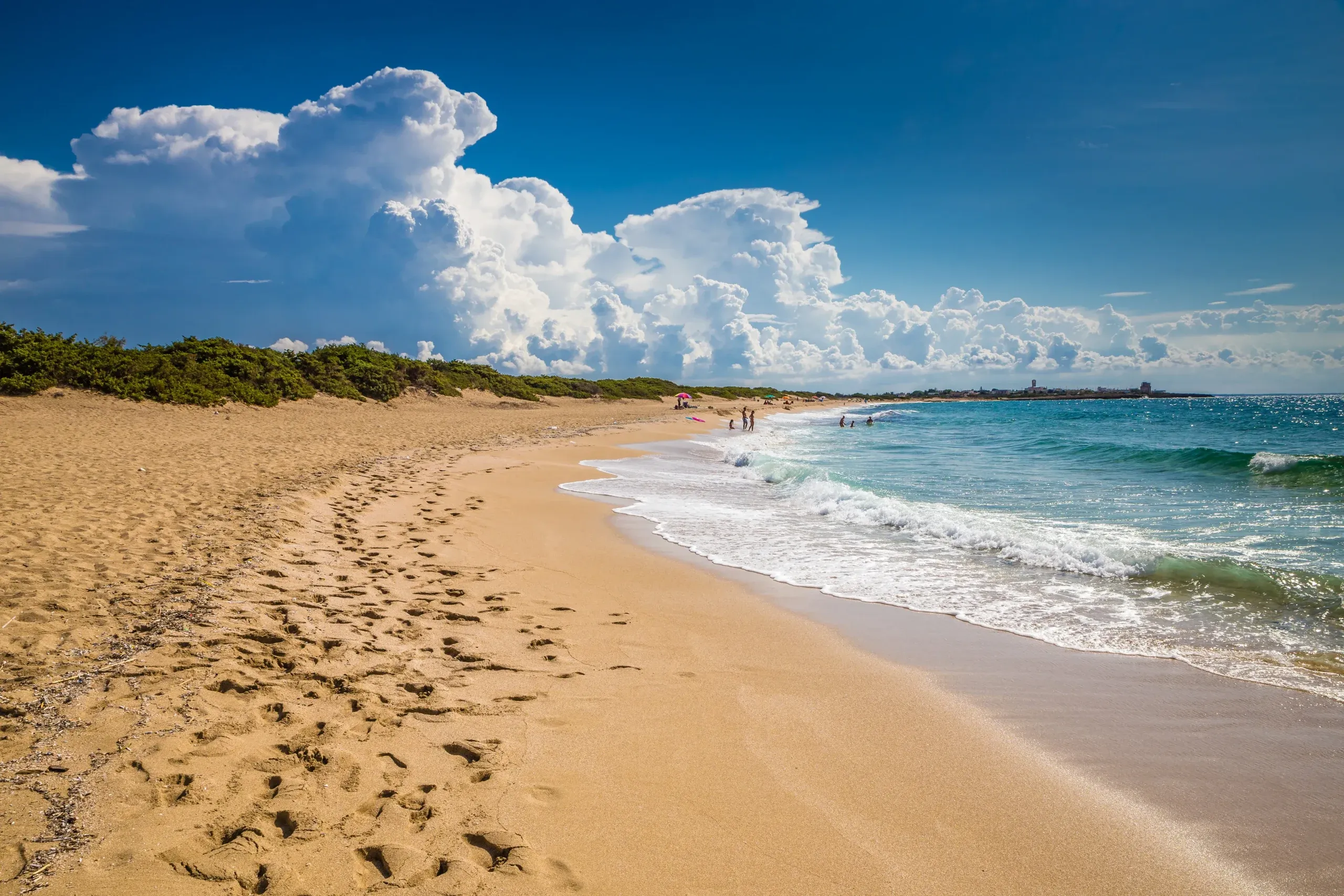
The Park is, in fact, open to everyone and carries out, moreover, numerous activities that make it a milestone in the promotion of environmental sustainability in Puglia. Events, workshops on site and in schools, guided excursions and wildlife-watching experiences are regularly organised, aiming to raise visitors’ awareness of the importance of conserving the ecosystem and of adopting green behaviour in everyday life.
One topic addressed is, for example, sustainable fishing and the importance of seasonality when choosing which fish to eat. We often, in fact, associate seasons with fruit and vegetables, without thinking that some fish species have a different life cycle from others. When buying fish, therefore, we should also choose consciously, as we do with vegetables.
Given the size of the protected area, the Dune Costiere Park deals every day with numerous local communities, which over time have also been involved in protecting the area and promoting a culture of sustainability. Fishermen, for example, practise, and promote, fishing that respects the fishes’ reproductive cycle; those who own fields or olive groves farm them in an eco-friendly way; and those who keep bees, finally, produce organic honey.
Beekeeping is precisely one of the cornerstones of the Park, since bees play a fundamental role in pollinating plants, enabling them to reproduce and ensuring the balance of the ecosystem. The Ostuni beekeeping business Alveare Bianco (https://www.apicolturaalvearebianco.it/it/content/4-chi-siamo), for example, produces organic wildflower and thyme honeys by taking its hives to the coastal dunes, making full use of the synergy between bees and crops.
Many farms are also located within the protected territory and produce gastronomic excellences such as the oil from the monumental olive trees of the Ogliarola salentina variety; the fiorone (a particular variety of fig) from Torre Canne; the Regina tomato, recognised as a Slow Food Presidium; and organic Senatore Cappelli durum wheat pasta.
Finally, the Dune Costiere Park also aims to promote eco-sustainable tourism, through the creation of walking and cycling routes and the provision of green accommodation within the protected area, such as, for example, the masseria Il Frantoio (www.masseriailfrantoio.it), which, besides being a farm stay, also offers study days on identifying edible wild herbs.
In 2012, the Park’s efforts in this regard were rewarded when it was awarded the European Charter for Sustainable Tourism (ECST), a certification that assesses sustainability and local community involvement in the tourist offer.
But is the Park merely a natural paradise? As almost always happens in our country, the history and cultural heritage of the past permeate even the most unexpected places, creating that powerful and constant link between antiquity and the present that can be found, pervasively, throughout the Peninsula. The Park, too, conveys the memory of our ancestors, preserving a prehistoric dolmen dating from the 3rd–2nd millennium BC, known as the Dolmen of Montalbano, and the remains of the Via Traiana, the Roman road that linked Benevento to Brindisi.
Sustainability, nature, culture, history and food and wine thus blend together, making the Park a special place and creating a synergy that is unique as a whole. Projects like this are enriching from both a socio-cultural and an environmental point of view, and, if taken as an example, can guide the whole community towards sustainable choices, with respect for the environment and biodiversity.