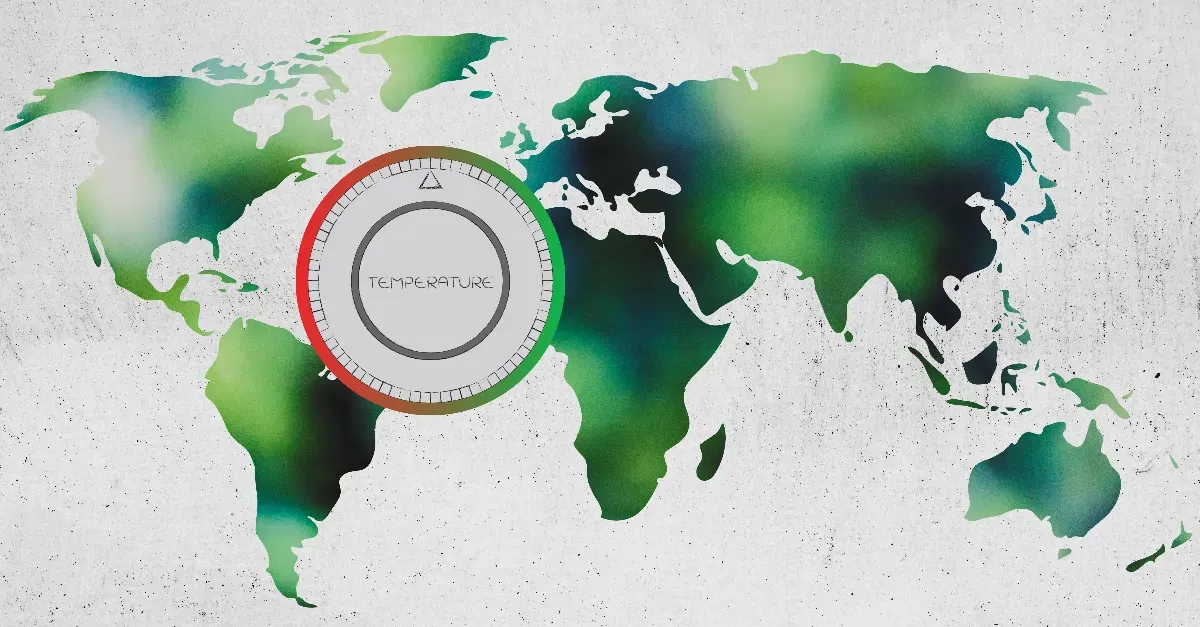
Global warming: is the end of the world near? And how long until the environmental crisis becomes irreversible and the descent towards what many now call ‘climate hell’ can no longer be reversed?
At current growth rates, the planet is heading towards an average warming of over 4°C by the end of the century, that is, 6°C over land, since the sea warms less.
Besides the more immediate meteorological effects, such as hurricanes, floods, heatwaves and wildfires, here is a summary of the most serious consequences:
- The temperature and humidity thresholds that humans can physiologically bear being exceeded for 100 or more days a year. Migration and displacement of around 500 million people;
- Extinction of a large proportion of tree and plant species, as they cannot move as temperatures rise. Incalculable consequences for human and animal nutrition. Failure to reabsorb the CO2 that plants ensure
- Melting of glaciers. Increased drought. A temporary increase and then a permanent reduction in the flow of the great rivers. Drying out of agricultural plains. Food crisis for around 2 billion people worldwide (e.g. in the Po Valley). Migration or displacement of these people.
- Warming of the seas. Their acidification. Death of coral reefs. Extinction of many fish species. Resulting food crisis for around 500 million people worldwide
- Rising sea levels (due to the warming of the water and the melting of ice). Estimated at between 50 and 100 cm by 2100, with the submersion of island and coastal regions. Death or migration and forced displacement of 100 million people. Estimated rise: between 2 and 3 m by 2200, between 3 and 5 m by 2300;
- Human consequences of the above phenomena: local and global demographic tensions. Proliferation of wars, famines and epidemics.