Oil pollution, poisoning from war materiel, water crisis. In Syrian territory, nature suffers alongside human beings. It is the legacy of every war. And international involvement is needed
Syria’s dramatic situation in recent weeks is under the eye of all the international media, of Western and Arab diplomacy, and of public opinion. What is really happening in the large Middle Eastern country – one of the “hottest” and most strategic places in the world, a crossroads between Iran, Iraq, Turkey, Lebanon, Jordan and, of course, Israel – is not clear even to the most experienced observers.
The new regime – for it must still be called a regime, having emerged from a military coup and with highly uncertain prospects of any evolution towards democratic representation – should in theory put an end to 13 years of civil war, as well as to the 24 years of the bloody rule of Bashar al-Assad (one hardly needed the shocking discoveries of mass graves in recent days to know that).
The armed offensive that began on 27 November – reaching the capital Damascus on 8 December – bears the signature and direction of Hay’at Tahrir al-Sham, a Sunni Islamist military formation, heir to the al-Nusra Front and (at least until 2015) a direct affiliate of al-Qaeda.
Show moreShow less
In the highly uncertain and dramatic political picture of today’s Middle East, wars and tensions carry, besides an enormous and tragic cost in human lives, an environmental cost of considerable proportions.
It is worth remembering, then, that in Syria too, as in all regions of the world affected by armed conflict, a far from negligible part of the population’s ordeal comes from environmental damage and hazards. Let us look at the main ones in the Syrian case.
Pollution
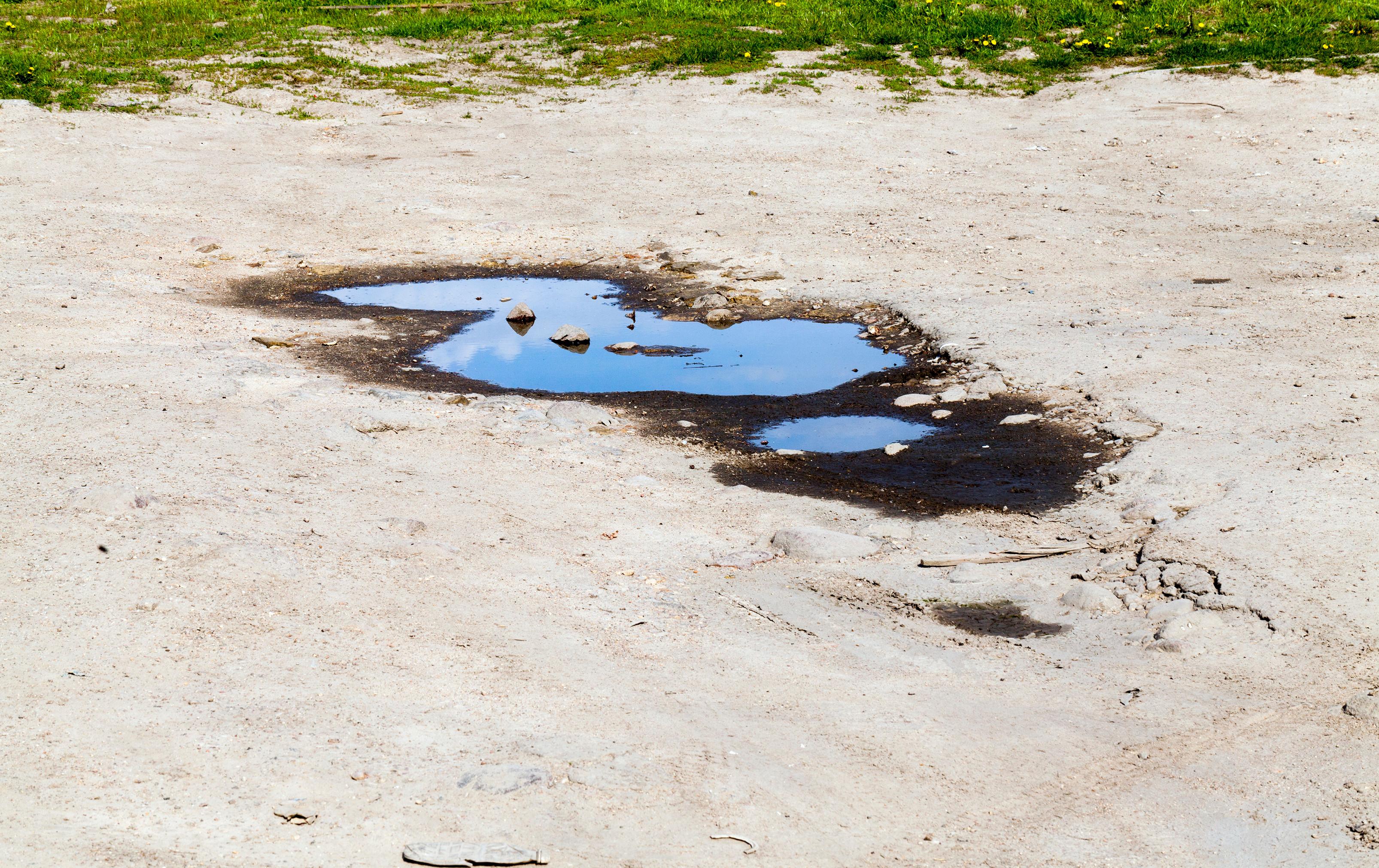
As regards pollution, Syrian territory, for decades a battlefield for clashes between armies and militias, records a significant level of contamination of groundwater and soil. The main cause is precisely the spillage of oil and war waste (with its highly toxic materials) resulting from the state of permanent war.
Spills
To this is added the state of the refineries, which in Syria are not adequately equipped. Accidents causing spills are numerous. The most serious was probably the one at the Baniyas refinery (north-western Syria) in 2021, which released about 15,000 cubic metres of fuel into the sea, generating an oil slick of 800 square kilometres (the size of New York) with serious damage to the marine ecosystem and the coasts, including those of Cyprus and Turkey.
The water crisis. Syria has been facing a water crisis for years, which has recently become acute owing to the combination of prolonged drought and the destruction of water infrastructure caused by the conflict. Access to drinking water is a very serious problem, at times a mirage, for millions of people. It is estimated that 42% of the Syrian population rely on unsafe water sources. The consequences for public health are evident, according to the international humanitarian organisations working in the area.
Soil erosion
Soil erosion and deforestation. The permanent war has led to the abandonment of vast areas of farmland. As a result, soil erosion has increased alarmingly. This is in a country that already has a limited (current) agricultural capacity.
Deforestation
The chronic lack of electricity has forced the population to use wood for heating and cooking, causing significant deforestation in areas that were once lush and green. In recent years, it is estimated that 20% of Syria’s forests have been lost.
The dreadful economic crisis caused by the conflict has led to food price rises that are unsustainable for the population. Food insecurity – to which, it must be said, international sanctions also contribute – is estimated to affect over 16 million Syrians.
Diseases. Linked to the factors outlined above are diseases and their growing spread among the population. The ever greater presence of camps for displaced people favours epidemics and the circulation of pathogens. Chief among them is cholera, as Médecins Sans Frontières has been reporting for several years. Last but not least, the earthquake factor.
The most recent seismic events, which caused severe damage to infrastructure, date back to February 2023. Having struck areas that were already vulnerable and fragile, the earthquakes hit a displaced population, further complicating recovery efforts and humanitarian assistance.
The Syrian area is therefore one of the most critical on the entire planet today, environmentally as well. Non-governmental organisations are not enough to help a population whose very serious problems will certainly not be resolved with the end of the war (if that comes). The involvement of the international political community is more necessary and urgent than ever.