Seven months have passed, and the emergency keeps knocking at the door at a relentless pace. According to the Global plastics outlook published by the Organisation for Economic Co-operation and Development (OECD), global plastic production doubled between 2000 and 2019. And, more seriously, it could triple by 2060.
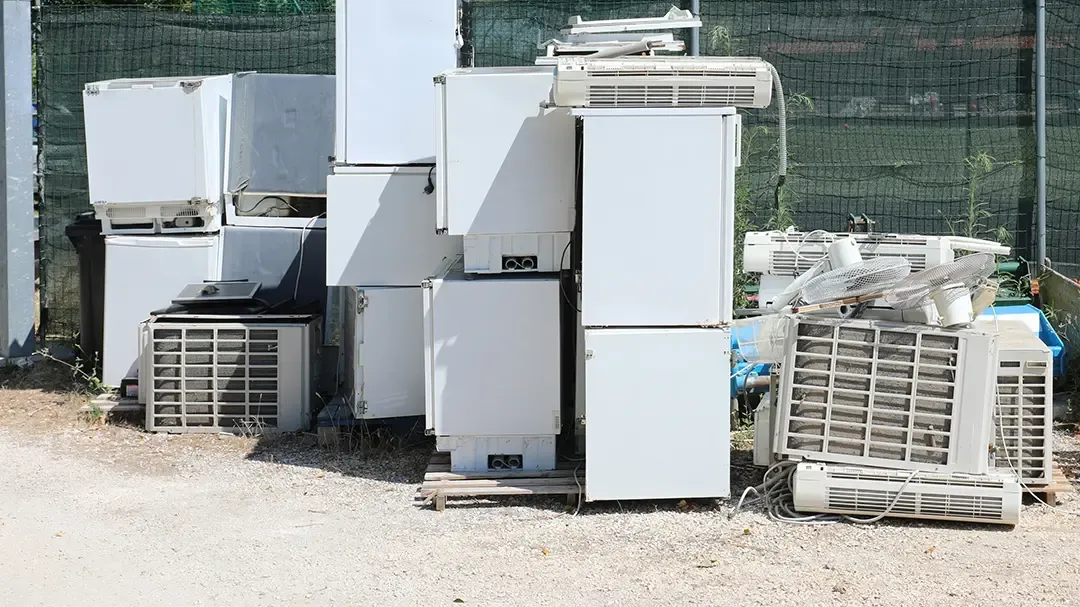
The most critical point, according to the experts of the Intergovernmental Committee, appears to be the inability of the world system to put an effective recycling process in place. Globally, only 9% of the plastic produced is properly recycled. Most of it ends up in landfills or incinerators, and a significant part is dispersed in the environment.
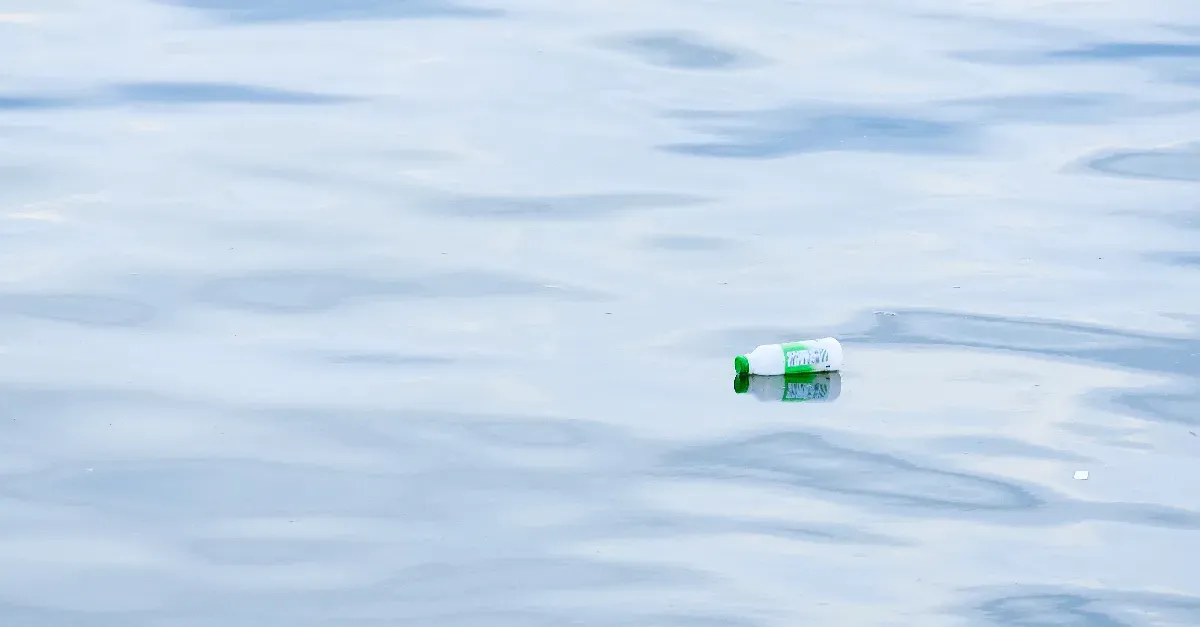
139 million tonnes: this is the striking figure that a now notorious OECD study has put on the plastic waste dispersed in oceans and rivers. Nine out of ten birds, according to a 2015 study, have plastic in their stomachs.
Then there is the problem of microplastics, that is, plastic particles smaller than 5 millimetres, which greentomeet.com has covered several times. They are mainly found in personal care products and clothing, or produced by the disintegration of plastic waste. Besides making up 12% of the waste dispersed in the environment, microplastics turn up “on our plate”, that is, in various foods, with consequences for human health that have yet to be established and confirmed.
The second round of negotiations took place in June
From 29 May to 2 June, at the UNESCO headquarters in Paris, the 160-plus nations that make up the Intergovernmental Negotiating Committee (INC) met for the second round.
This time, the delegations were also urged towards a swift agreement by the publication of a study commissioned by the United Nations Environment Programme (UNEP): ‘Turning off the Tap: How the world can end plastic pollution and create a circular economy’.
There is still time to change direction: this is the good news emerging from the UNEP study. But we absolutely must cut plastic pollution by 80% by 2040.
“Our study outlines a roadmap to drastically reduce these risks by adopting a circular approach that keeps plastic out of ecosystems, out of our bodies and out of the economy,” said Inger Andersen, executive director of UNEP, identifying three key points.
The first, essential and far from impossible, is to eliminate plastic defined as “problematic or unnecessary”. Plastic packaging items and materials are the clearest example, and the closest to everyone’s daily life. This is plastic that, after consumption, does not enter recycling and composting systems because of its format, composition or size.
Reuse, recycle and substitute. These are the three key words that the study repeats like a mantra. In practical terms, this means: refillable bottles, bulk dispensers, deposit and return systems, packaging take-back schemes and so on.
Recycling alone would reduce plastic pollution by 20% by 2040. But recycling must finally become stable and continuous. With rigorous application of design guidelines to improve recyclability and by reshaping incentives, the share of economically recyclable plastic would rise from 21% to 50%.
Reducing plastic is good business
The UNEP study calculates that the shift to a fully circular economy would bring savings of something like 1.27 trillion dollars.
But this is only part of the overall economic benefit. A further 3.25 trillion dollars would be saved by preventing the huge costs for citizens’ health, the climate crisis, air pollution and the marine ecosystem.
Then there is the employment aspect. By 2040, according to UNEP, up to 700,000 jobs could be created, most of them in low-income countries.