Illegal logging: a reality that shows no sign of stopping
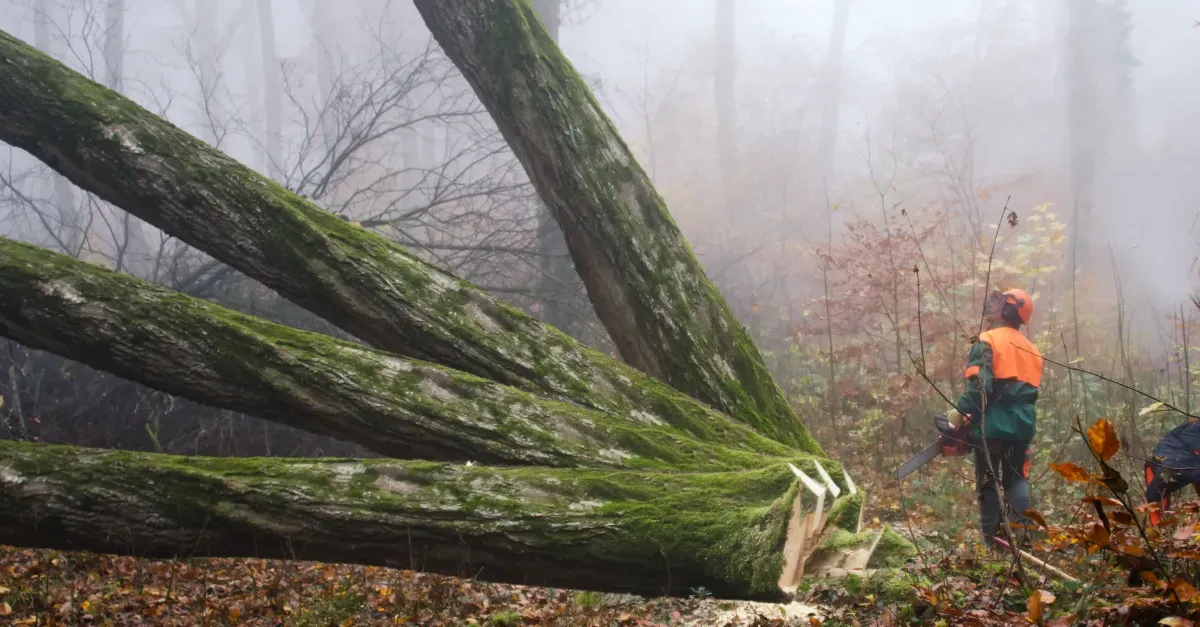
Many NGOs are sounding the alarm: illegal logging is a shadow that continues to devastate strategic areas such as the Southern Carpathians, the Făgăraș Mountains and the Natura 2000 zones, recognised for their crucial importance in safeguarding European biodiversity. However, their capacity to resist is being severely tested. The timber industry rejects the accusations, dismissing the criticism from Greenpeace, Agent Green and other associations as excessively generic. And the debate within the country goes on.
And while the discussions remain open, the fact-finding visit carried out by the European Economic Community in Romania in May 2023 produced a report, published in November 2023, that is extremely clear: every year in Romania 20.6 million cubic metres of timber are felled beyond the permitted quotas, at a rate of three cubic metres every hour. Not even protected areas are spared: between 2021 and 2022, 13 million cubic metres of timber were extracted from Natura 2000 sites without environmental impact assessments, in disregard of regulations that should have preserved them.
The introduction of the SUMAL 2.0 digital monitoring system, although a step forward, has not managed to curb the phenomenon. The result is devastating: a mutilated landscape where centuries-old trees once stood, and where now there is only emptiness.
Romania’s forests are not an isolated problem. With 43% of the European Union’s territory covered by woodland, their role in combating climate change is crucial. But the EU Forest Strategy, which aims to plant three billion trees by 2030, risks failing without decisive action. The Romanian disaster is not just a local issue: it is a test case for European environmental policy.
Europe’s interventions
In 2020, the European Commission had already issued a warning: in a letter of formal notice, it called for urgent action to stop illegal logging in Romania. Since then, however, little has changed. The violations continue, year after year, while the forests disappear under the relentless blows of chainsaws. In November 2023, a new formal reminder reiterated the urgency of acting. The problem is clear: there are no effective controls, no penalties that truly deter and, above all, no integrated vision for managing forest resources sustainably. And while Brussels insists, on the ground precious time continues to be wasted.
Civil society responds
The institutions are struggling, but civil society is already on the move. Activists, NGOs and citizens are joining forces to defend a heritage that belongs to everyone. Among the most urgent proposals are the restoration of natural habitats, the management of river basins and the adoption of sustainable practices to retain water and prevent soil erosion. However, these efforts risk remaining a drop in the ocean if they are not backed by decisive government policies and genuine international commitment.
Is time on the side of the chainsaws?
Romania’s virgin forests are more than a symbol: they represent a crucial challenge for the whole of Europe. Every day lost makes it harder to change course. Will we be able to hear nature’s cry? The question is open and the answer, for now, uncertain. The hope is that the call of the forest may prove stronger than the roar of the chainsaws, but time is running out. Every tree felled brings Europe closer to an irreparable loss, and every passing hour makes a response more urgent.
sources and further reading:
February infringements package: main decisions
Brussels, 12 February 2020
European Economic Community mission report, November 2023