Man and nature: a dialogue across the centuries
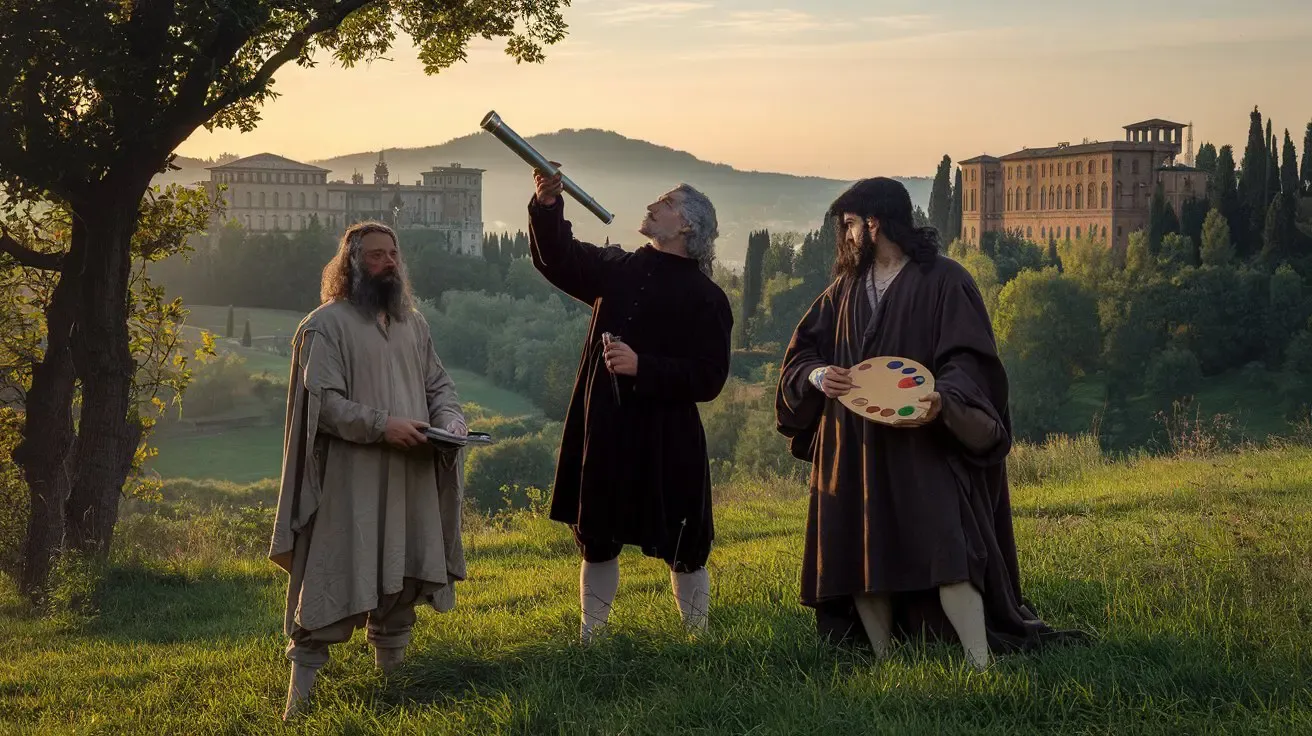
Among the literary peaks of the Renaissance, the contribution of figures such as Petrarch and Marsilio Ficino stands out for their ability to celebrate nature as a source of existential and speculative reflection. Leonardo da Vinci, in his ‘Fables’, gives nature a voice, describing its elements with a sensibility that unites poetry and science. Galileo, in his ‘The Assayer’, defines nature as a mathematical language, a universal code accessible only through rigour and observation.
Art, meanwhile, frees itself from rigid medieval patterns, embracing an unprecedented realism. Botticelli, for example, loads every natural detail in his paintings with symbolic and personal meanings, uniting aesthetics and philosophy. Caravaggio (the pseudonym of Michelangelo Merisi), with his dramatic light, explores the contrasts between life and death through natural elements such as flowers and fruit, giving rise to the genre of still life. These artists do not merely depict landscapes, but tell of the intimate relationship between creation and humanity.
The Renaissance legacy and today’s challenges
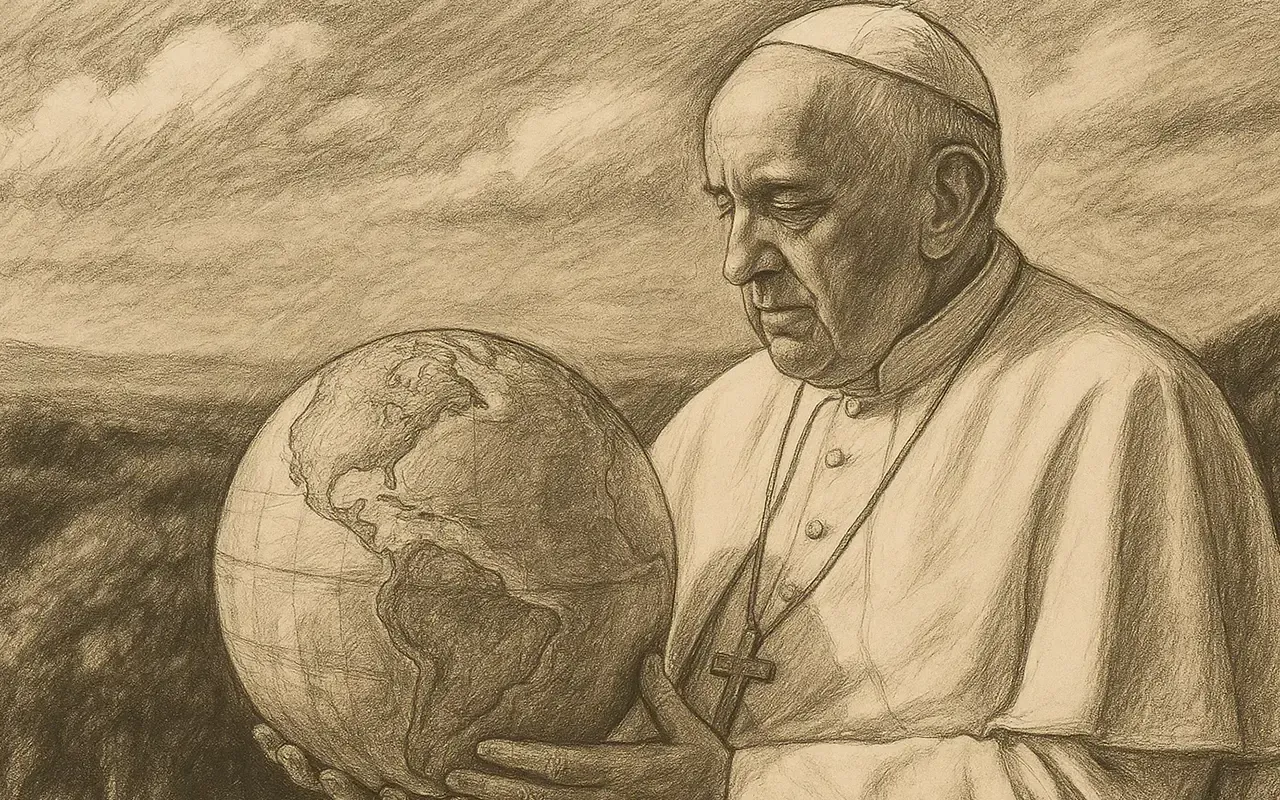
The representation of nature in the Renaissance, more than a celebration, appears today as a warning. Leonardo, who already questioned the impact of human actions on the natural balance, would be an ideal witness to today’s discussions on climate change. His art and writings reflect not only a deep admiration for the complexity of nature, but also an awareness of man’s responsibility towards it.
This sensibility continues to inspire artists, thinkers and scientists, who find in the Renaissance not only an age of cultural rebirth, but also an invitation to rediscover our place in the natural world. A lesson that seems more urgent than ever, at a time when the interaction between man and nature is at the heart of global challenges.
Recommended content for further reading
For those who wish to explore further the theme of the relationship between man and nature during the Renaissance, here are some useful resources:
- Italian Renaissance - Wikipedia
- Renaissance: summary of the main themes and authors - Weschool
- The Renaissance - Italian literature - Letteritaliana
- Renaissance, culture of the - Treccani Encyclopedia
- HUMANISM, RENAISSANCE, REFORMATION - Zanichelli (PDF)
- Renaissance: context, themes and authors - Virgilio Sapere
- History of Italian literature/Renaissance - Wikibooks
Recommended books
‘Individuo e cosmo nella filosofia del Rinascimento. Ediz. integrale’ by Ernst Cassirer.
This work analyses Renaissance philosophical conceptions of the individual and the cosmos, delving into themes such as freedom, necessity and the relationship between subject and object.
‘L'uomo e la natura nel Rinascimento’, edited by L. Rotondi Secchi Tarugi.
This volume offers a collection of essays analysing the interaction between human beings and the natural environment in the Renaissance context.
‘Uomo e natura nella filosofia del Rinascimento’ by Carlo Colombero.
The book explores Renaissance philosophical conceptions of nature and the role of man within it.
‘L'uomo e la natura nel Rinascimento’ by Allen G. Debus.
This volume explores how the Renaissance transformed the perception of nature, analysing the interaction between science, art and philosophy.
‘Nella mente della natura. La scienza della luce e la dottrina delle ombre’ by Rossella Lupacchini.
The book investigates the link between art and science in the Renaissance, showing how mathematics interprets the beauty of nature and vice versa.