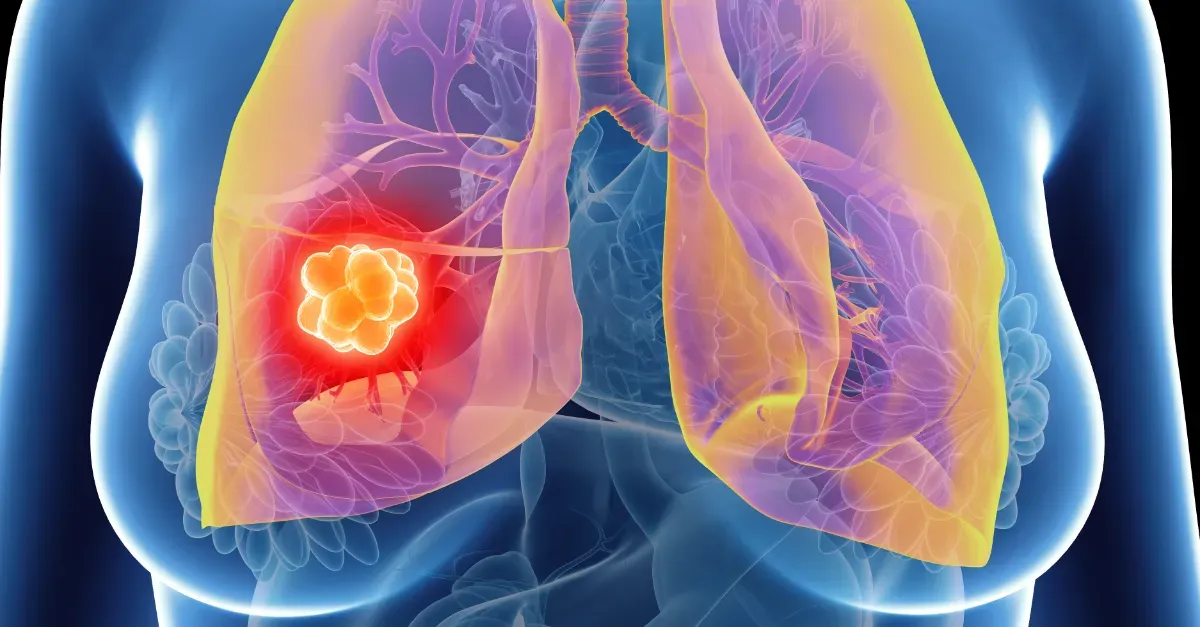
Emphysema damages the alveoli, which leads to reduced gas exchange and breathing difficulties. Chronic bronchitis is an inflammation of the airways, which causes a constant cough that brings up excess mucus from the airways. The two diseases are often treated together as chronic obstructive pulmonary disease, or COPD, because they have similar causes and are often found together in the same person. COPD is a long-term (chronic) lung disease that makes breathing difficult.
Asthma and pollution
Asthma is a chronic disease that causes recurring periods of wheezing, coughing, shortness of breath and chest tightness. In childhood, asthma is believed to be triggered by allergens, and progression to COPD is thought to be a condition acquired in adults. This progression is known as “asthma conversion” and is associated with a progressive worsening of lung function, frequent exacerbations and a growing dependence on steroids to control the disease.
Given the high prevalence of asthma and the high mortality rate of patients with COPD (1 in 4 die), researchers have examined whether there is a link between the two diseases. Much to their surprise, they found a higher prevalence of severe asthma in areas with high levels of pollution. They also discovered that people with asthma had a higher risk of developing COPD.
Lung cancer and pollution
The International Agency for Research on Cancer (IARC) classes outdoor air pollution among the risk factors for cancer. The most dangerous form of pollution is fine particulate matter (PM 2.5), which has a diameter of less than 2.5 microns. When inhaled, these particles pass through the respiratory system and settle in the lower airways and in the alveoli of the lungs. They can also travel through the bloodstream.
Once in the blood, they can settle in any organ of the body, including the liver, kidneys, heart and brain. The most common form of lung cancer is non-small cell lung cancer (NSCLC), which accounts for 80% of all lung cancers. There are three main risk factors for the development of this form of lung cancer: exposure to certain environmental or occupational hazards, certain inherited genes, and cigarette smoking.
In conclusion
Although there is no definitive data on a direct correlation between air pollutants and lung cancer, it is very likely linked to the carcinogenic properties of the particulate matter present in outdoor air. As global pollution increases, the number of people affected by COPD and asthma is also likely to rise. We need more research and better health policies to protect our lungs.
Please note: the following article is for informational purposes only and is in no way intended to be a medical article or to give medical advice. If you have any doubts about your state of health, you should consult your own doctor.