Today is monday 9 november 2026
Webzine of ecological news

From around the world · Agenda 2030

New data on world hunger: we are not doing well

Eight years have passed since the UN 2030 Agenda was signed: let us take stock of the situation regarding the tragedy of world hunger.

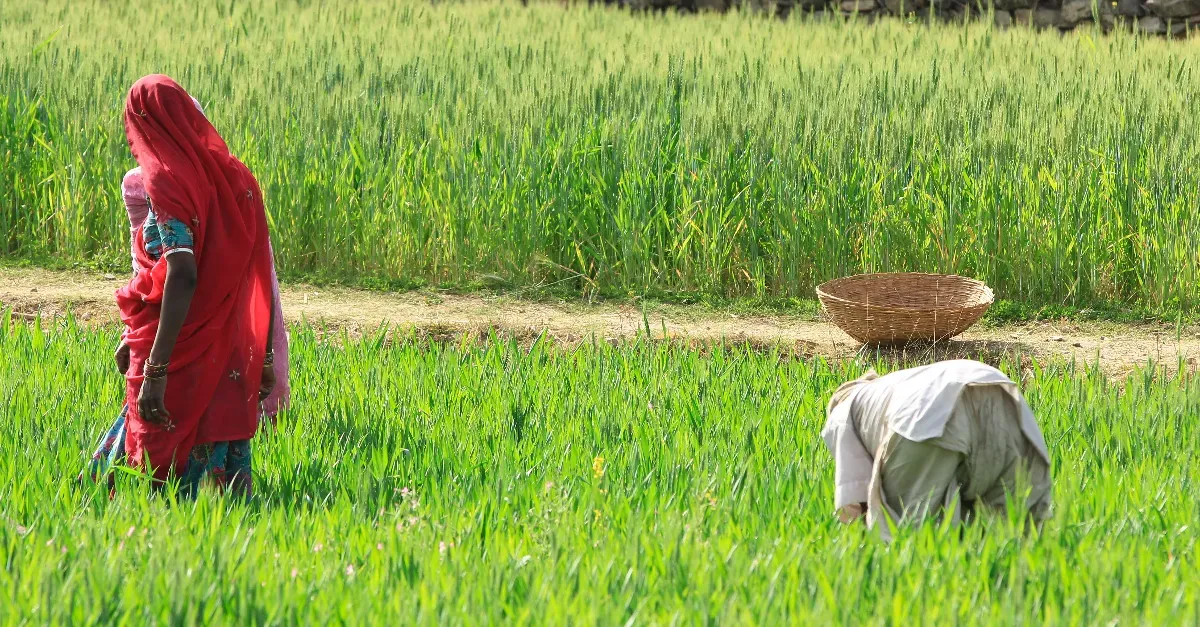
[ozphotoguy] © 123RF.com

In September 2015, 193 UN member countries signed up to a programme of action for sustainable development for people, the planet and prosperity. This is what we have all now learned to call the “2030 Agenda”, made up of 17 Sustainable Development Goals (SDGs) and 169 targets.

The goals of the UN 2030 Agenda that concern the great and tragic issue of world hunger are the first two:
1 - “End poverty in all its forms everywhere”.
2 - “End hunger, achieve food security and improved nutrition and promote sustainable agriculture”.

One wonders whether, now that we are little more than halfway “across the ford”, progress towards the 2030 deadline is moving in a positive direction or not.

Rising numbers

It is the UN report of 2022 that answers this question. It tells us that the number of people suffering from hunger rose to 828 million in 2021. The United Nations website itself now speaks of 831,000,000 people, equal to around 10% of the world’s population. To be a little more precise, according to the 2022 Global Hunger Index (GHI), hunger is at alarming levels in 9 countries (among them the Central African Republic, Chad, the Democratic Republic of the Congo, Madagascar and Yemen).

Show more Show less

Sub-Saharan Africa and South Asia record the highest levels of hunger in the world. Does UN Goal 2.1, which reads: “By 2030, end hunger and ensure access by all people, in particular the poor and people in vulnerable situations, including infants, to safe, nutritious and sufficient food all year round”, seem destined to slip further out of reach?

The causes

One of the main factors contributing to the spread of hunger is the endemic poverty present in many nations of the world.
To this is clearly added climate change, which weighs heavily in worsening the problem.
Extreme weather conditions such as drought, floods and storms can destroy entire harvests and drastically reduce food production.
Another type of factor is health-related: epidemics and pandemics above all.
Then there are political factors. Armed conflicts under way in various parts of the world make access to humanitarian aid difficult: war prevents people from having access to food and essential health services.
The lack of education, which also affects food-related matters, should not be underestimated either. Nor should the exploitation of territories by third countries, including the phenomenon of land grabbing, which came to prominence in the early years of the new millennium.

In conclusion

The world’s poorest nations need quick and effective solutions to tackle rampant hunger.
One of the first solutions is certainly to invest in agriculture and develop innovative technologies that allow higher crop yields.

Food aid provided by international organisations can be a valuable resource for populations hit by hunger. However, these interventions must always be accompanied by long-term projects that allow communities to become self-sufficient in the long run.

Another possible solution, objectively complex to put into practice, is to work on the fair distribution of food resources globally. Some very wealthy nations waste enormous amounts of food, while others struggle to guarantee daily meals for their citizens.

Finally, the challenge is to educate young people about sustainable agriculture and the proper management of natural resources. This can certainly help raise awareness of the problems linked to hunger, and encourage the new generations to act concretely to find solutions to the global tragedy, which does not seem to be easing, of 800 million human beings who cannot feed themselves.

Machine translation

We respect your privacy

When you use this site, we and the third-party providers listed in the preferences may use cookies and similar technologies for the following purposes:

  • Necessary: Core functions: security, session and storing your choices.
  • External services: Embedded third-party content such as videos. It only loads if you allow it: the provider then receives your IP address and may set cookies of its own.

Only necessary cookies are active without consent. Some providers may transfer data outside the EU. You can change your choices at any time from the «Privacy settings» link at the bottom of the page; closing with the X continues with necessary cookies only.

Customise