Today is monday 9 november 2026
Webzine of ecological news

Environmental policies

Natura 2000: the network that protects European biodiversity

Most of us probably don’t know that Europe has a network of more than 27,000 protected areas, over 2,600 of them in Italy. It is called Natura 2000, and it defends Europe’s natural heritage and biodiversity.

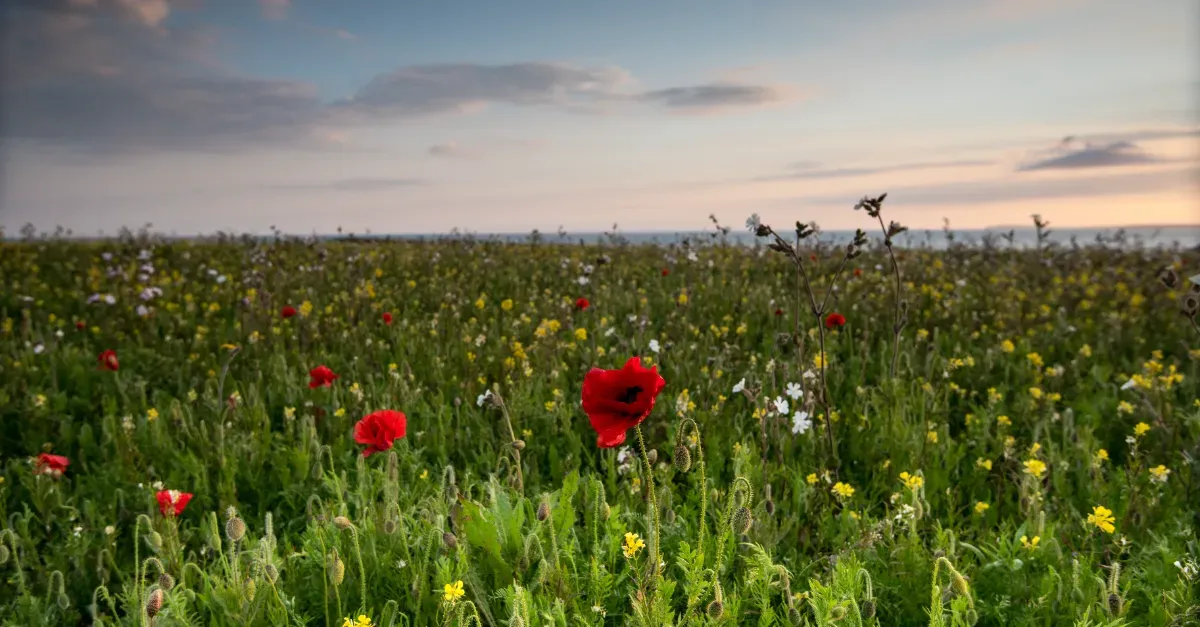
image by :[merc67] © 123RF.com

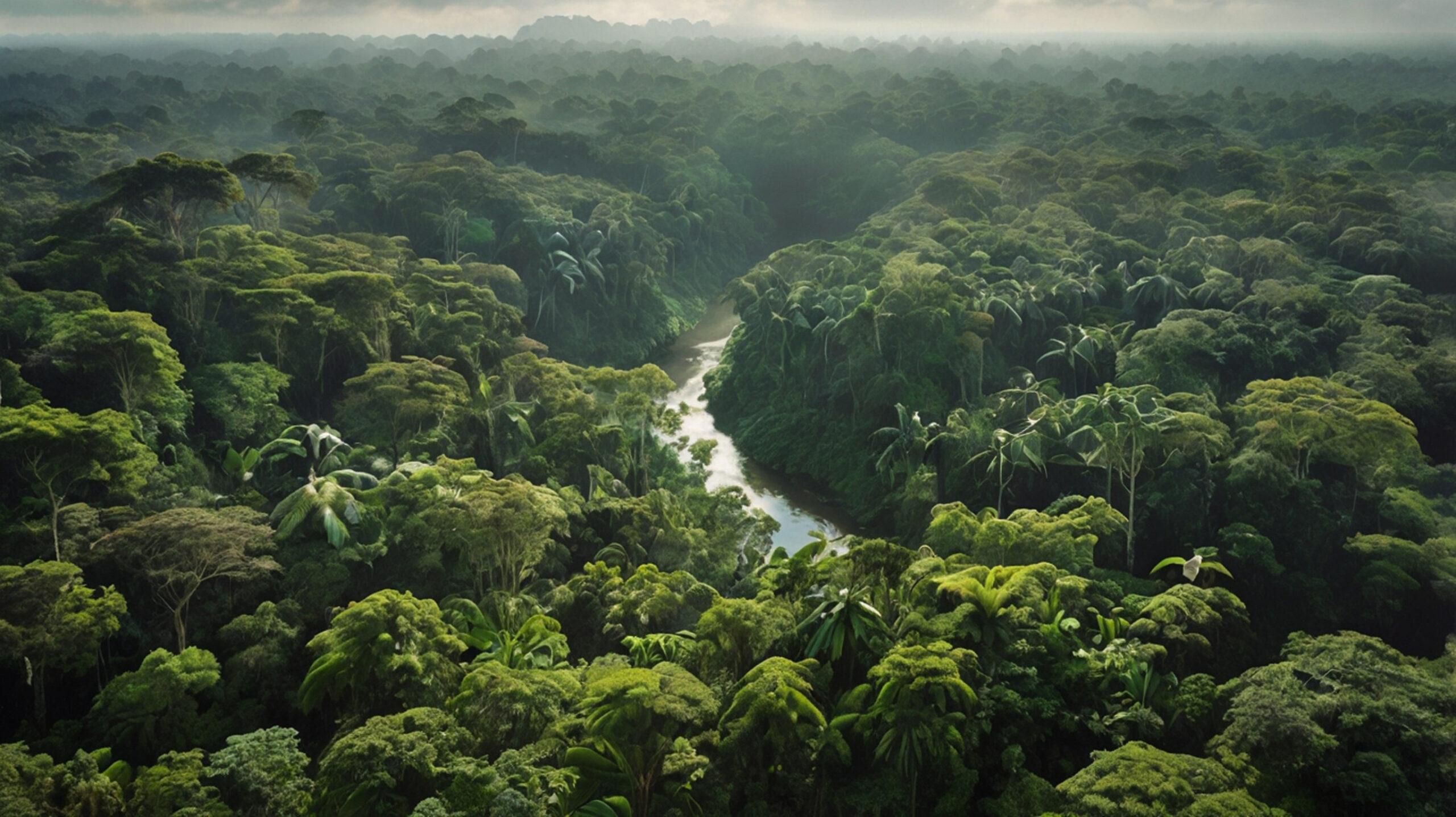
Picture an immense spider’s web stretching across the whole of Europe, with the aim of safeguarding our most precious natural heritage. This is Natura 2000, the largest coordinated network of protected areas in the world. It is not a collection of inaccessible reserves or untouchable zones, but a system designed to combine the conservation of biodiversity with human activities.

When it began and why it exists

The Natura 2000 network was created in 1992 when the European Union adopted the Habitats Directive (Directive 92/43/EEC). Its purpose? To ensure the survival of the natural habitats, flora and fauna most at risk of disappearing from our continent. This mission was made even stronger by its integration with the Birds Directive (2009/147/EC), which protects wild bird species.

In short, Natura 2000 was created to tackle one of the greatest challenges of our time: halting the loss of biodiversity, which is vital to human wellbeing and to ecological balance.

Show more Show less

A network that embraces Europe… and Italy

With more than 27,000 sites spread across the whole European Union, the network covers almost 18% of the EU’s land area and about 9% of its marine areas. In Italy, we have as many as 2,646 sites, including Sites of Community Importance (SCIs), Special Areas of Conservation (SACs) and Special Protection Areas (SPAs).

Which are Italy’s emblematic places? Here are five that show the richness and variety of our land:

  1. Gran Paradiso National Park, between Piedmont and Aosta Valley, where the ibex has returned to live undisturbed.
  2. The Po Delta, one of the most important wetland systems in Europe, essential for migratory birds.
  3. Abruzzo, Lazio and Molise National Park, which protects the Marsican brown bear and many other unique species.
  4. The Belluno Dolomites, a UNESCO World Heritage Site, a refuge for rare species and spectacular habitats.
  5. Cilento and Vallo di Diano Park, a mosaic of Mediterranean landscapes and biodiversity.

Who manages it?

The Natura 2000 network is managed jointly: each EU Member State looks after the areas within its own territory, following common guidelines. In Italy, the Ministry of the Environment and Energy Security coordinates actions, working with the regions and autonomous provinces. But that is not enough: the participation of local communities, businesses and citizens is crucial to making a difference.

A network for everyone

Natura 2000 is not just for protected species or scientists. This network concerns us all. It protects vital resources such as clean water, supports sustainable agriculture, regulates the local climate and offers each of us places to reconnect with nature.

And let’s be frank: protecting biodiversity means protecting ourselves. Without healthy ecosystems, the future awaiting us will be more fragile and less liveable. Natura 2000 is not simply a network of places, but a project to guarantee a better tomorrow.

Further reading:

EU website
fondo2

Machine translation

We respect your privacy

When you use this site, we and the third-party providers listed in the preferences may use cookies and similar technologies for the following purposes:

  • Necessary: Core functions: security, session and storing your choices.
  • External services: Embedded third-party content such as videos. It only loads if you allow it: the provider then receives your IP address and may set cookies of its own.

Only necessary cookies are active without consent. Some providers may transfer data outside the EU. You can change your choices at any time from the «Privacy settings» link at the bottom of the page; closing with the X continues with necessary cookies only.

Customise